News

What are the key points for selecting reagent glass bottles?

2025-10-10 0 Leave me a message

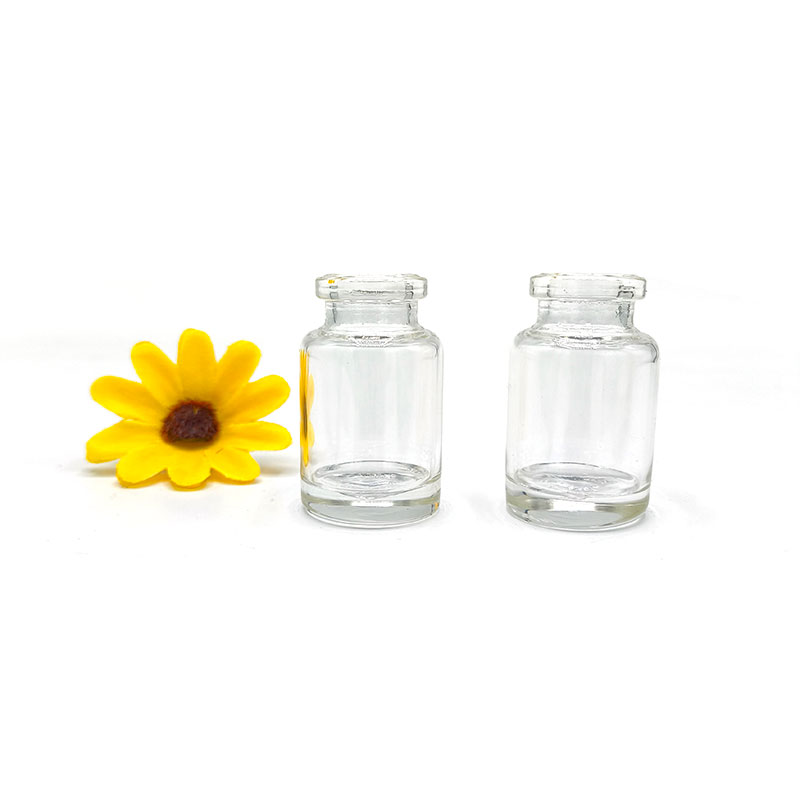
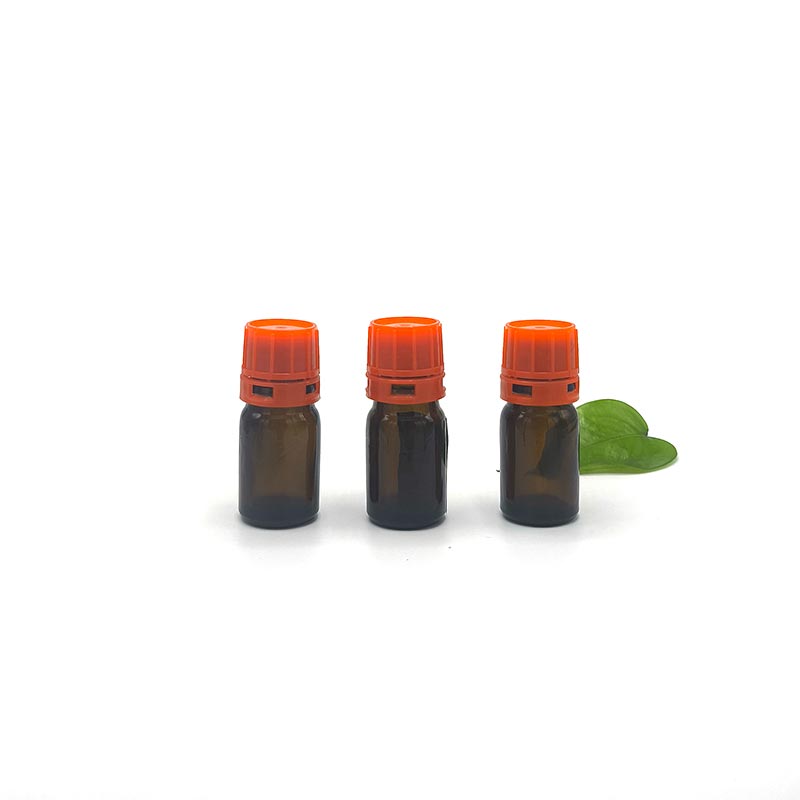
In laboratory, chemical production, or pharmaceutical storage scenarios, reagent glass bottles serve as containers that come into direct contact with chemicals, and their performance directly affects the stability and safety of reagent use. When making a purchase, it is necessary to comprehensively consider the material characteristics, sealing, specification compatibility, and compliance standards to avoid the risk of reagent deterioration or leakage due to improper container selection. The following analyzes the key points of purchasing from the core dimensions.

Material adaptation:

The core material of the reagent glass bottle is borosilicate glass or soda lime glass. Borosilicate glass has a low coefficient of thermal expansion (only 1/3 of sodium calcium glass) due to its content of over 12% boron trioxide. It can withstand temperature differences from -40 ℃ to 150 ℃ and has strong corrosion resistance to acids, alkalis, and organic solvents. It is suitable for storing highly corrosive reagents such as concentrated sulfuric acid and hydrofluoric acid. Sodium calcium glass has a lower cost, but is only suitable for weakly acidic and aqueous solution isothermal and environmental conditions. If storing strong oxidants or high-temperature reagents, glass dissolution or breakage may occur. When selecting, it is necessary to clarify the properties of the reagents.

Sealing design:

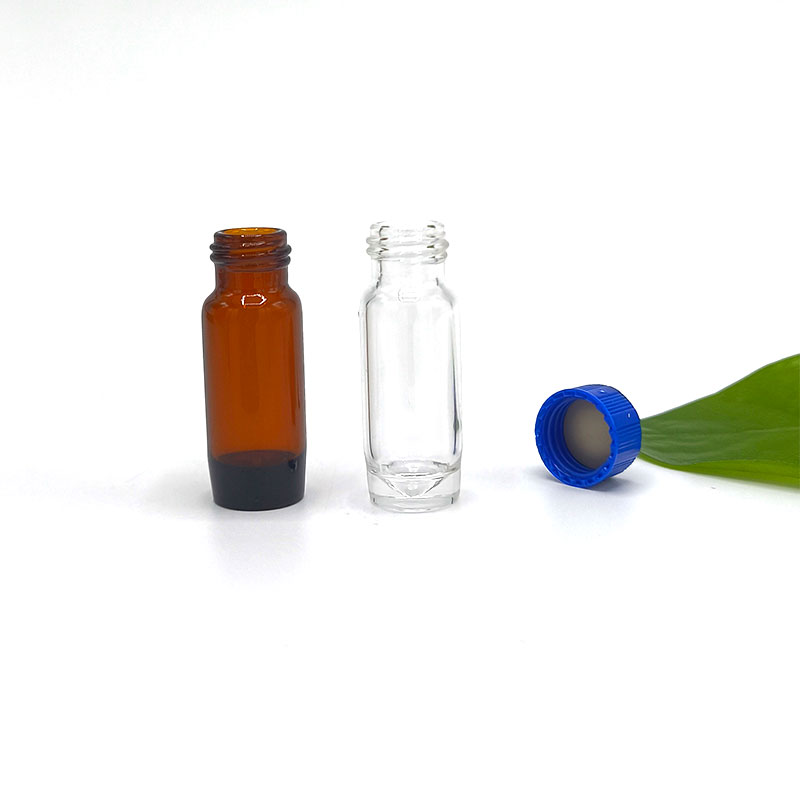
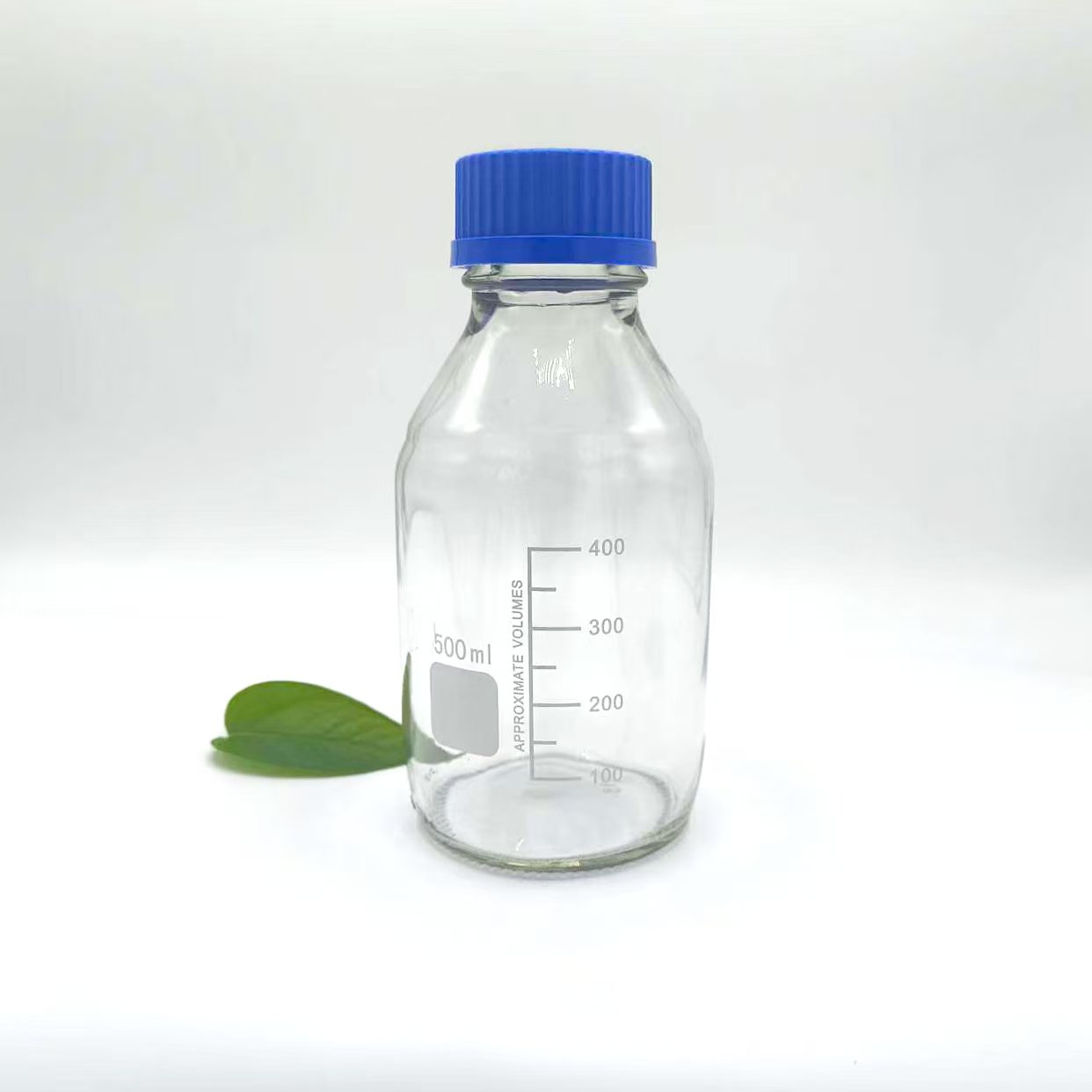
Sealing directly affects the storage period of reagents. Wide mouth reagent bottles are often equipped with frosted glass stoppers. It is necessary to check the flatness of the contact surface between the stopper and the bottle mouth to ensure that there are no scratches or burrs; For fine mouthed bottles, polypropylene (PP) or polytetrafluoroethylene (PTFE) screw caps are commonly used, and the thread matching and elasticity of the silicone pad inside the cap need to be confirmed.

Specification matching:

Select the capacity based on the amount of reagents used to avoid frequent packaging. Conventional laboratories can choose 10-100ml fine mouthed bottles to store liquid reagents, and 250-500ml wide mouthed bottles to store solid reagents; Industrial grade storage requires consideration of large capacity bottles with a capacity of over 1L and equipped with handles or brackets. Note that the ratio of bottle height to diameter affects stability, and slender bottle shapes (height to diameter ratio>2) are prone to tipping and suitable for small amounts of reagents; The short and stout bottle type (height to diameter ratio<1.5) is more stable and suitable for large-scale storage.


The selection of reagent glass bottles should be based on "material safety, reliable sealing, and specification compatibility". Select borosilicate glass based on the properties of the reagent, ensure sealing with frosted plugs or PTFE screw caps, and match the capacity and bottle shape of the usage scenario.

Related News
Leave me a message
X
We use cookies to offer you a better browsing experience, analyze site traffic and personalize content. By using this site, you agree to our use of cookies. Privacy Policy
RejectAccept