News

Could A Glass Reagent Bottle Be The Smartest Upgrade In My Lab This Year?

2025-11-24 0 Leave me a message

Could A Glass Reagent Bottle Be The Smartest Upgrade In My Lab This Year?

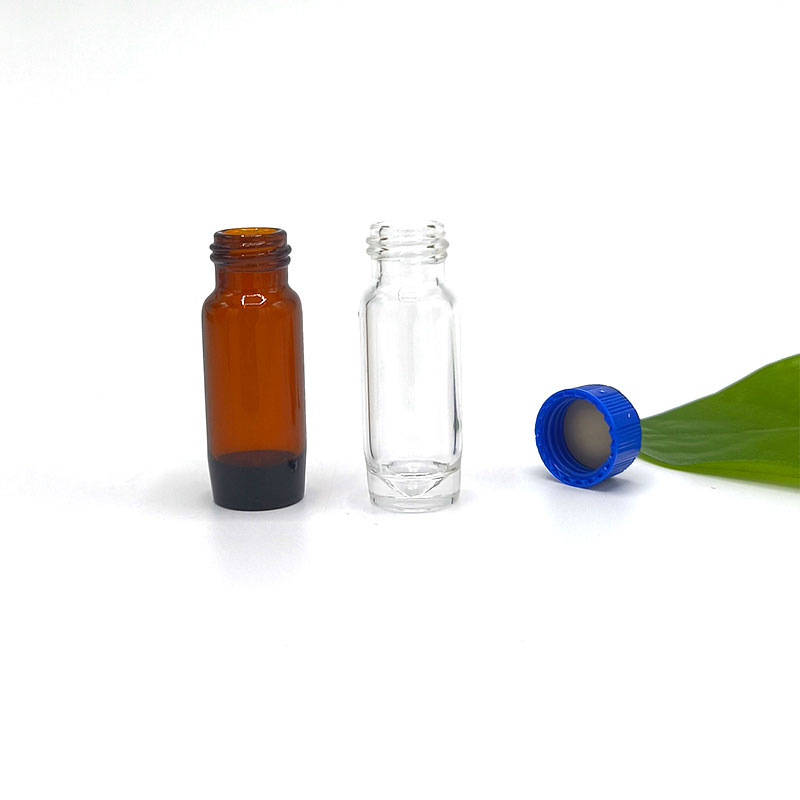
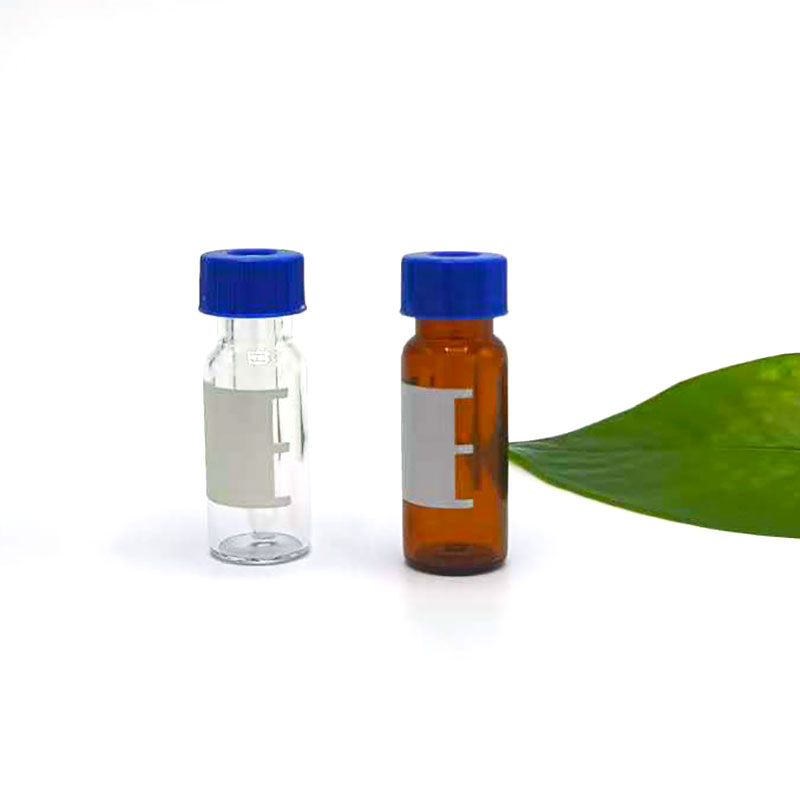
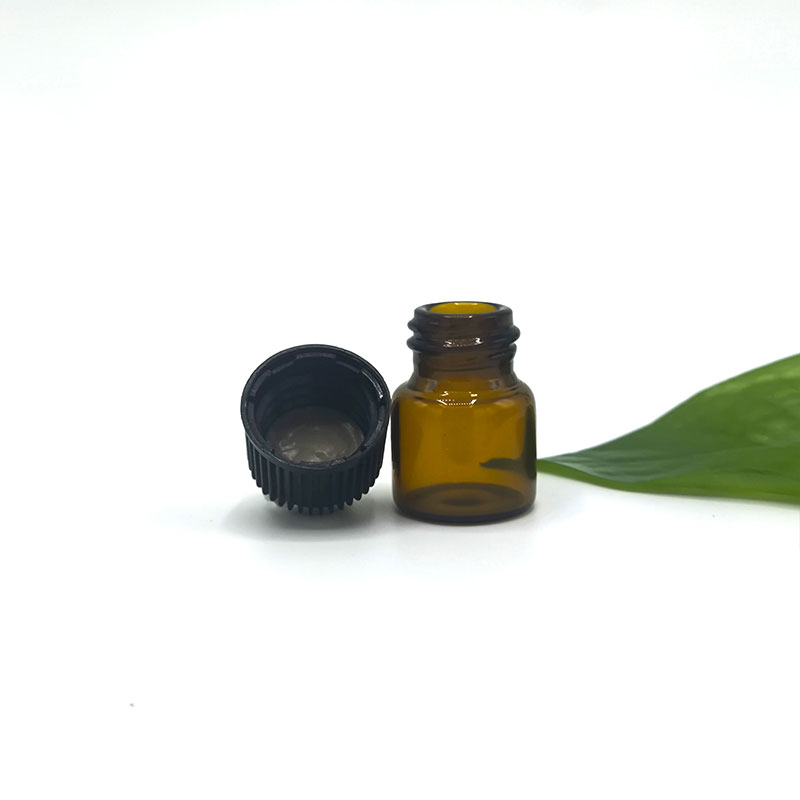
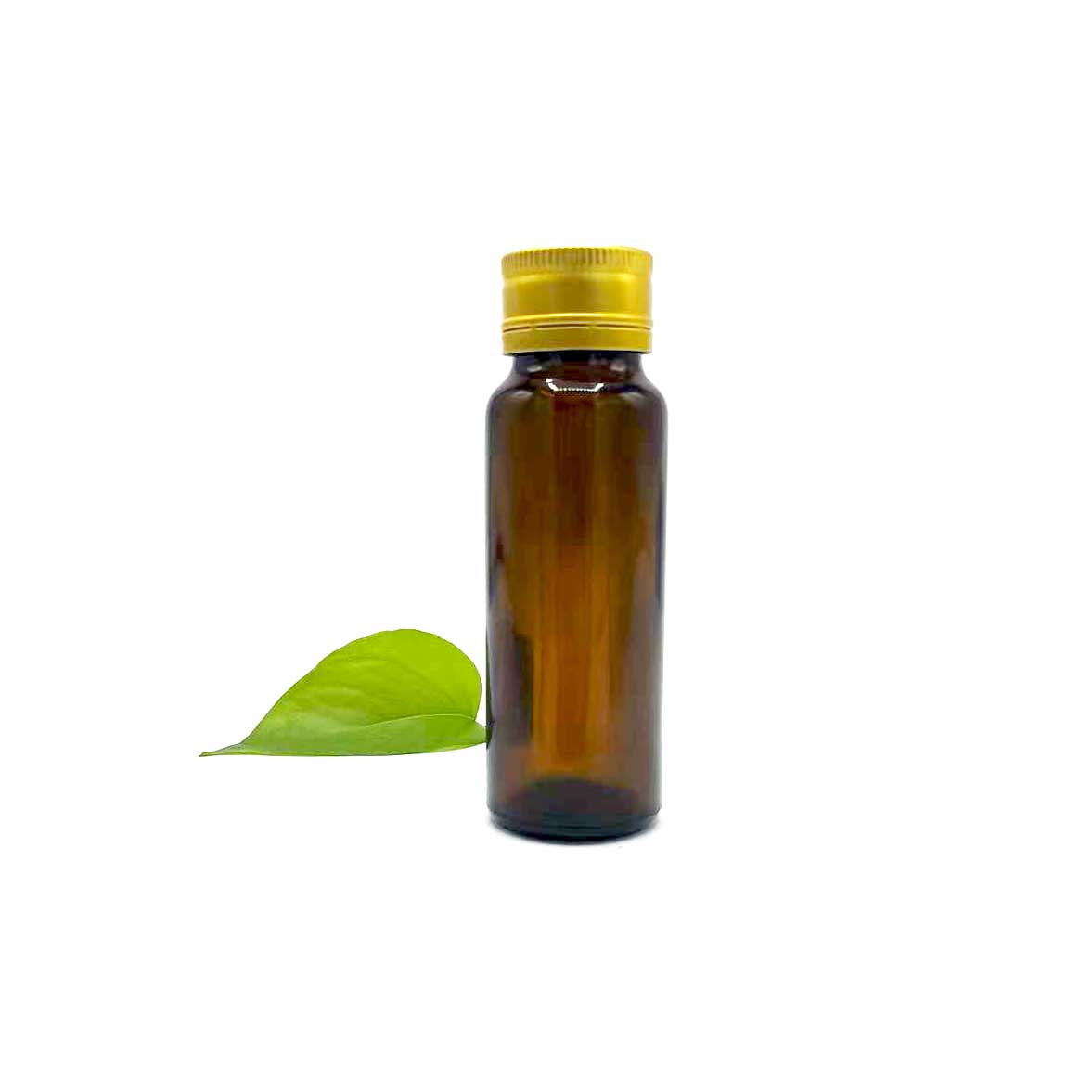
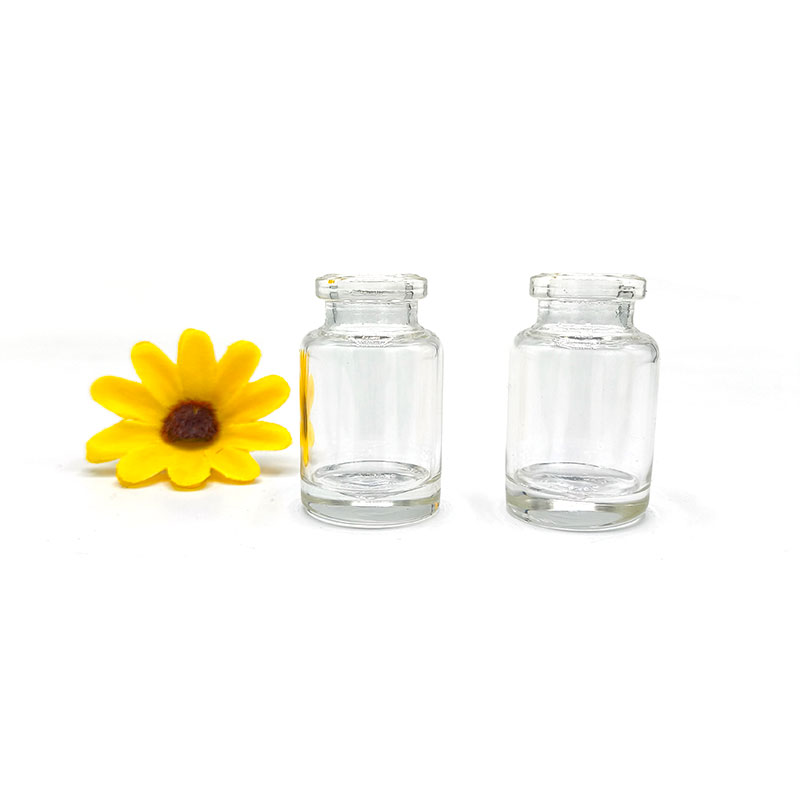
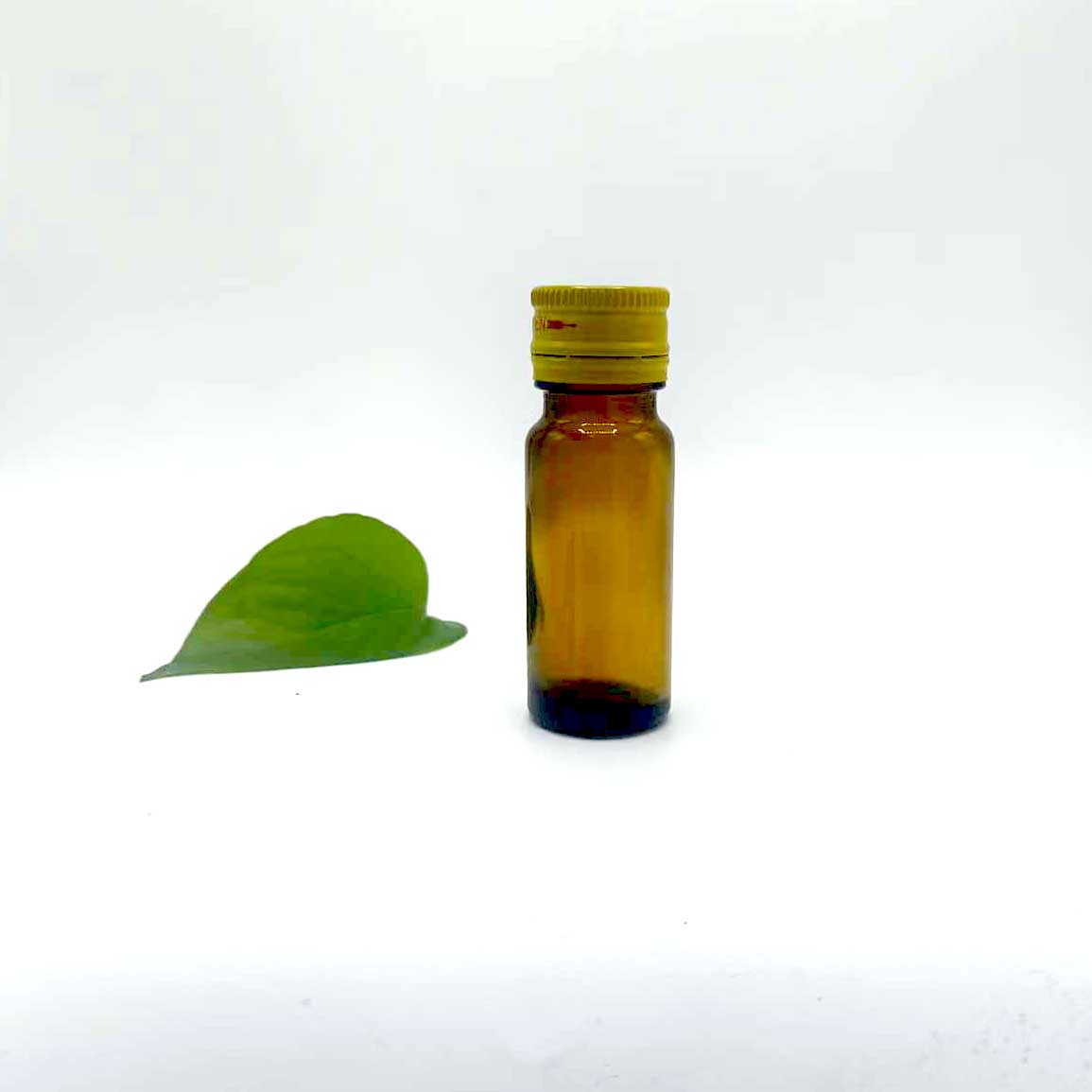
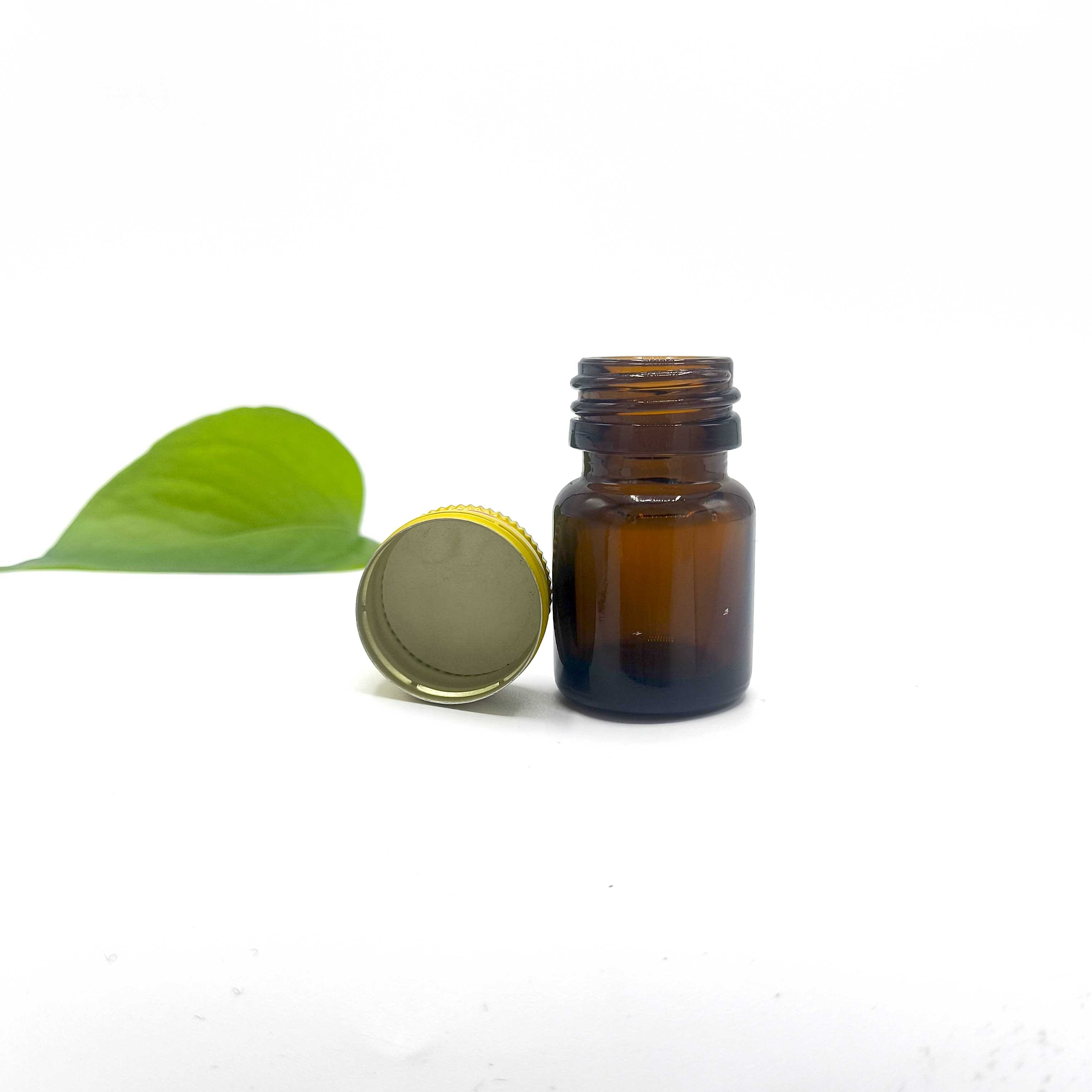
I used to think storage was the most boring part of the bench. Then I started tracking our micro-losses—evaporation, mislabeled aliquots, seized caps after autoclave—and realized the “boring” container was quietly shaping our results, our safety, and our budget. After months of trialing different suppliers and measuring what actually changed on the floor, I built a shortlist that, to my surprise, kept pointing to consistent lot control and cap-liner matching from partners like Kangbo. When a bottle family behaves the same every week, the lab calms down. If you’ve been wondering whether a smarter Glass Reagent Bottle can do real work, not just hold liquid, I’m here to say yes—and I’ll show how I proved it to myself.

Glass Reagent Bottle


contents


Why do tiny design choices decide whether my bottles leak or last?

The day I mapped failures, patterns jumped out. Leaks weren’t “bad luck”—they clustered around uneven torque, mismatched thread standards, and liners that took a compression set after heat. Cracks weren’t random—they followed hidden stress at the shoulder from poor annealing or fast cold rinses. Fading graduations were tied to alkaline wash routines. Once I connected outcomes to design details, I stopped buying by volume and started buying by system: body, thread, cap polymer, and liner that work as one.

  • I standardize thread families for interchangeability across sizes during busy shifts.
  • I pick liners for chemistry first and cap material for heat second, never the other way around.
  • I write retirement rules in plain English so no one argues with a chip at the rim.

When these rules went live, our “mystery losses” dropped and my team’s confidence went up. That was my first signal that the right Glass Reagent Bottle is less a container and more an instrument.


What advantages should a modern bottle deliver on day one?

If a supplier promises everything yet ships a mixed bag of caps, you pay for it in workflow. I now expect five advantages out of the box: predictable sealing torque, heat-cycle tolerance, readable graduations after washing, pour control that keeps gloves clean, and traceable lots. I also want a rational size ladder—think 100, 250, 500 mL, 1 L, 2 L—with thread continuity so a misplaced cap doesn’t become a safety incident.

  • Predictable seal means PTFE-faced silicone or equivalent where chemistry demands it.
  • Real heat tolerance shows up after the fifth autoclave, not the first.
  • Pour rings that actually drip-break save minutes of wiping and glove changes.
  • Lot traceability lets QA pull data in seconds, not days.

When I compared these side by side, curated lines from companies like Kangbo kept performing because the cap and liner weren’t an afterthought. That’s how a Glass Reagent Bottle stops being a gamble.


How do glass types and annealing change everyday reliability?

Thickness isn’t strength. The composition and the stress relief are. Borosilicate 3.3 bodies, properly annealed, shrug off the hot-bench to cool-sink shock that ruins soda-lime. Hydrolytic resistance (Type I in pharma contexts) reduces ion leaching during long storage. Even the rim polish matters—an uneven finish creates a line of least resistance where cracks start and seals fail.

I tested our wash sequence on sample sets: neutral enzymatic soak, detergent pass, triple rinse, and air dry. Bottles that were truly annealed kept their clarity and their sound when tapped. Those that weren’t developed a tell-tale dull ring and, later, hairline fractures. Since standardizing, I’ve had fewer surprises during sterile compounding—no odd pops, no “why is this shoulder cloudy.”

From a practical standpoint, this is where a premium Glass Reagent Bottle earns its place: it endures the boring things you do every day without a fuss.


Which closure and liner combinations survive heat and chemistry?

Closures fail for only three reasons in my lab: chemistry eats the liner, heat warps the cap, or torque is uneven. My default pairing for multi-solvent rooms is a PBT cap with a PTFE-faced silicone liner. PBT stays dimensionally honest through autoclave, and the PTFE face sees what the liquid sees while the silicone recovers after compression. For hygroscopic powders, a butyl liner can be excellent—if you monitor compression set and replace it on schedule.

  • Volatile organics feel safe behind PTFE faces and even torque, with caps loosened pre-autoclave and retightened after cooldown.
  • Acids and oxidizers demand inert faces and conservative headspace.
  • Long cold storage benefits from caps that don’t seize; I avoid overtightening while hot at all costs.

After aligning our liners to our actual reagents, we stopped blaming people for leaks. The design carried the load, as it should, and the Glass Reagent Bottle finally behaved like a controlled variable.


Can a bottle make labeling, pouring, and release faster?

Absolutely. A bottle either cooperates or it creates friction everywhere. Fired-on graduations cut rechecks and survive the alkaline cycle. A well-shaped shoulder and a functional pour ring prevent the sticky crescent that used to live under our spouts. Standardized thread families mean the right cap appears on the first try, which, during a timed step, is priceless.

  • We shaved seconds off every decant simply by not wiping drips.
  • We reduced label failures with low-temperature adhesive and a “date-initials” field built into the template.
  • We cut cross-threading to near zero by enforcing one thread spec per size band.

That day-to-day smoothness is why I keep advocating for a single, proven line from a maker like Kangbo. When you stop troubleshooting the container, you can think about the chemistry again—and that’s the real win of a trustworthy Glass Reagent Bottle.


How do I size and standardize without boxing myself in?

For volatile stocks, I prefer narrow necks and smaller working volumes to reduce headspace and exposure. For powders and sticky buffers, wide necks cut frustration and cleaning time. I keep a minimal, logical size ladder and avoid orphan SKUs that invite mistakes. If we need an oddball capacity for a one-off method, I tag it with a bright label so it never masquerades as part of the standard set.

Standardization also changes how training feels for new techs. Instead of teaching exceptions, I teach rules that cover ninety percent of cases and a decision tree for the rest. That keeps autonomy high and error rates low.


Where does total cost of ownership hide and how do I expose it?

Glass Reagent Bottle


Real cost whispers. I score bottles by cycles survived, rework avoided, and reagent saved—not just invoice amount. Once we started logging incidents—seized caps, leaks after heat, illegible graduations—the “cheap” lines got expensive fast. The right bottle family paid for itself by preventing work we used to accept as inevitable.

Cost Driver What It Looks Like On The Bench How I Reduce It In Practice
Evaporative loss Weights drift, standards go off spec Narrow necks, inert liners, even torque, quick re-seal discipline
Rework Remade batches after uncertain reads Fired-on marks, consistent pour control, documented cap matching
Breakage Cracks at shoulder after heat-shock Properly annealed borosilicate, slower cool-down, no cold rinse on hot glass
Time loss Cap hunting, thread mismatches Single thread family per size, spares in labeled bins, color-coded rings
Label failure Condensation lifts tags, mystery bottles Low-temp labels, solvent-resistant ink, printed owner and date fields

When you track these quietly expensive events, the case price fades and the platform decision becomes obvious. That’s when a consistent line—my experience includes reliable sets from Kangbo—turns into a financial decision, not a hunch about glass.


Will sustainability undermine data integrity or can both win?

Glass wins long-term when it’s used well. Reuse cycles reduce waste without compromising integrity if you set clear retirement rules and tier tasks. A bottle that no longer deserves critical duty can live on holding water-bath weights or neutral solutions. Packaging can be reused for transport between rooms. And because a premium bottle survives more cycles, you buy less often—sustainability without slogans.

  • Tier tasks so old bottles retire with dignity instead of going straight to the bin.
  • Keep liners on a replacement cadence just like gaskets or O-rings elsewhere in the lab.
  • Store documents—conformance, composition, lot data—under the same inventory IDs for audits.

Sustainability stops being a tradeoff when your Glass Reagent Bottle family is durable by design.


How do I choose between clear and amber without overbuying?

I start with the reagent list and a rule of evidence. If we have documented photo-degradation, amber wins for the stock bottle. If not, I stay clear for visibility and use secondary light shields as needed. For borderline cases, I keep working aliquots in clear and the master in amber. That keeps protection where it matters and speed where we handle the liquid most.

  • Amber for light-sensitive stocks and long storage.
  • Clear for day-to-day handling and fast inspections.
  • Secondary shields rather than over-ambering everything “just in case.”

What buy-once checklist keeps me from mismatching parts?

I keep this list next to procurement. It forces decisions in the right order and prevents the cap drawer from turning into a museum of almost-fits. Follow it once and you’ll order, train, and label a single time—then get back to real work.

  • Define reagent families and storage time before capacity.
  • Choose clear or amber based on actual sensitivity, not habit.
  • Lock a thread family per size band for cap interchangeability.
  • Pick cap polymer for heat and liner for chemistry; write the combo on the bin.
  • Validate pour rings and graduation durability against your wash cycle.
  • Standardize labels and digital lot storage for instant audits.
  • Write retirement rules that no one has to debate under pressure.
  • Pilot a mixed size set from a single line—my recent wins include sets from Kangbo—then scale only what passed in your room.

When these boxes are checked, a well-matched Glass Reagent Bottle becomes the quiet backbone of your SOPs.


What questions do buyers ask most often?

Glass Reagent Bottle

Q1. Do bottle graduations replace calibrated glassware for measurement?

A1. No. I treat graduations as quick guides for transfers and as sanity checks. For any step that affects specification, I confirm with calibrated cylinders or balances. Fired-on marks should stay legible after alkaline cycles so checks remain trustworthy.

Q2. Can I autoclave with the cap fully tight?

A2. I never do. I loosen a half turn to vent pressure, autoclave, then retorque after cooldown. This prevents vacuum-seizing and protects the liner from imprinting into the rim surface.

Q3. Which liner handles both acids and solvents without constant swapping?

A3. PTFE-faced silicone is my broad-spectrum default. The PTFE meets the liquid and the silicone recovers after compression. For specialized reagents, I cross-check a compatibility chart and pilot a single bottle before rollout.

Q4. Why do some caps seize after sterilization and others do not?

A4. Material and torque. Caps like PBT keep shape at temperature, while overtightening when hot creates a bond you fight later. Even torque after cooldown keeps the fit honest.

Q5. How much headspace is safe for freezing or cold storage in glass?

A5. I leave generous headspace for expansion, cool gradually, and only freeze in glass that is rated for that range by the manufacturer. If uncertainty remains, I move to appropriate plastic for the freeze step and return to glass for storage.

Q6. Are thread standards consistent across brands so I can mix caps freely?

A6. Many brands follow GL families, but tolerances differ. For critical storage I keep bottles and caps within the same line to guarantee torque behavior and seal geometry. I mix only for non-critical tasks.

Q7. How do I clean resin or protein films without scratching the interior?

A7. I soak with neutral enzymatic cleaners, use soft brushes, and rinse to neutral before any heat cycle. Metal scrapers invite micro-abrasions that turn into sites for future residue or cracks.

Q8. What label strategy survives cold rooms and solvents?

A8. I use low-temperature labels plus solvent-resistant ink. I avoid adhesive overlap near threads, and I print owner and date fields so accountability survives condensation and busy shifts.

For many of these, the solution is consistency more than cleverness. When the line is curated well—my experience includes reliable performance from Kangbo—your team stops improvising and starts repeating what works.


conclusion

If storage has been an afterthought, this is the year to change it. Buy a platform, not a single SKU. Match body, thread, cap, and liner to your chemistry and heat cycles; enforce simple retirement rules; and standardize labels and torque discipline. Do that, and the container becomes invisible—that’s the highest compliment a lab can give its tools. If you want help translating your reagent list and workflow into a short, shippable spec, contact us with your sizes, chemistry, and sterilization routine. I’ll map you to the exact configuration of a Glass Reagent Bottle that will cut rework and steady your day. Ready to simplify your inventory and stop the slow losses—please contact us or leave an inquiry now so we can build your buy-once plan.


Glass Reagent Bottle Glass Reagent Bottle

Related News
Leave me a message
X
We use cookies to offer you a better browsing experience, analyze site traffic and personalize content. By using this site, you agree to our use of cookies. Privacy Policy
RejectAccept