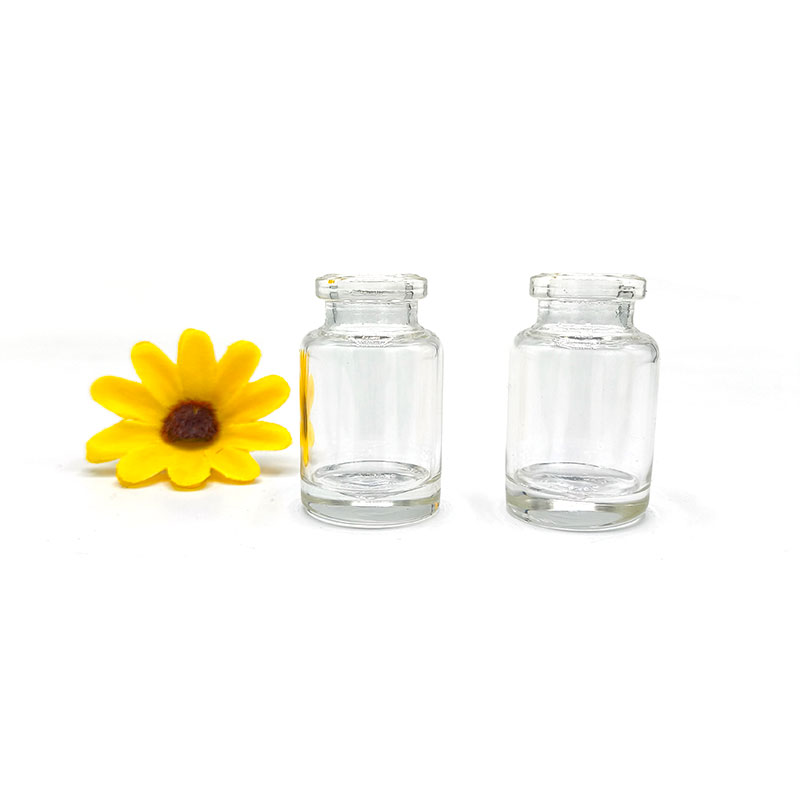
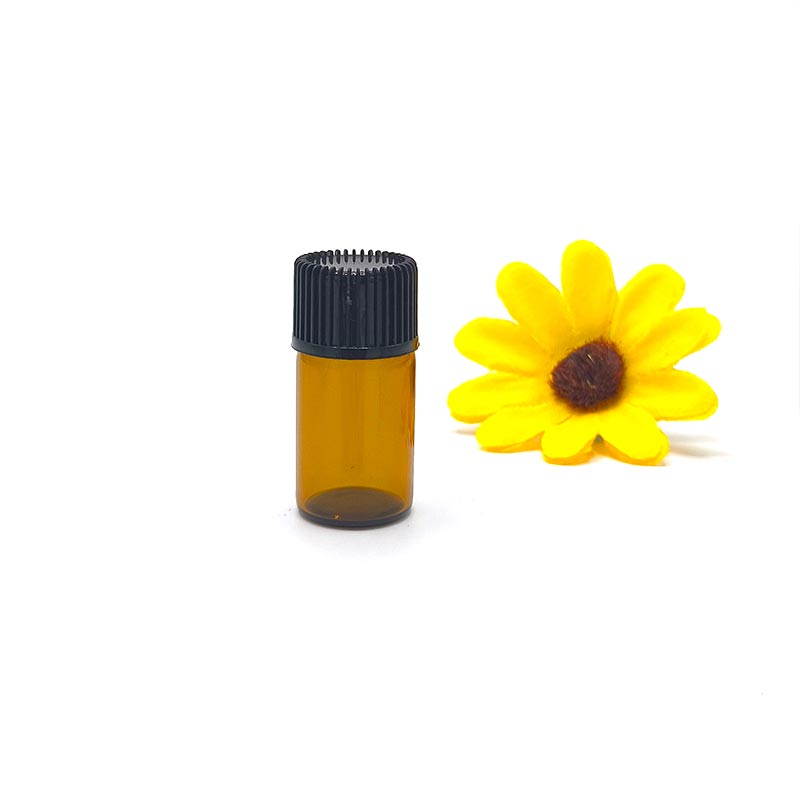
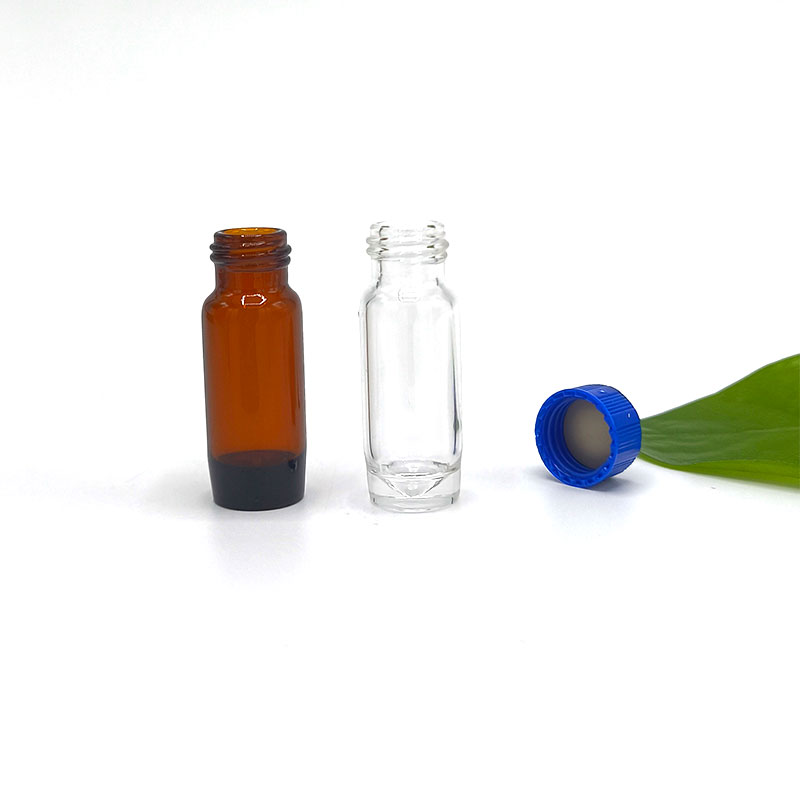
In the lab, we often focus on the glass reagent bottles, but tend to overlook the two closely connected, silently guarding them: the cap and gasket. However, an indisputable fact is that no matter how high-quality a reagent bottle is, the effectiveness of its sealing system ultimately depends on the performance of the reagent bottle screw cap and gasket of reagent bottle. Although small, they are the last and most critical line of defense in safeguarding the integrity, purity, and safety of the reagents. We understand that details determine success or failure, and therefore devote the utmost attention to these two core components of reagent bottle accessories.
Ⅰ. Polypropylene bottle cap: durable structural shield
The reagent bottle cap is the structural foundation of the sealing system. It needs to withstand repeated opening and closing and provide a long-lasting and stable locking force. Our bottle caps are made of high-quality PP through precision injection molding.
1. Excellent chemical resistance
Polypropylene provides outstanding chemical resistance. This durable material withstands most acids, bases, salts, and organic solvents.It maintains complete structural integrity when contacting aggressive chemicals like hydrochloric acid and sodium hydroxide solutions. The material demonstrates remarkable resistance to swelling, corrosion, and molecular degradation processes. These combined properties guarantee secure, prolonged interaction with the bottle neck surface. This comprehensive protection ensures reliable performance throughout extended service periods in demanding laboratory environments.
2. Extraordinary mechanical properties
Excellent resistance to stress cracking: This is one of PP's key advantages as a bottle cap material. Under long-term stress, many plastics will spontaneously crack due to internal stresses. Our PP bottle caps effectively resist this phenomenon, ensuring that the threads remain intact under long-term tightening forces.
Excellent toughness: The cap is tough, not brittle. The cap absorbs impact energy through deformation during transport or mishandling. This prevents brittle fracture.
3.Long Service Life
Our polypropylene caps demonstrate exceptional resistance to deformation throughout repeated usage cycles. Their advanced fatigue resistance technology preserves optimal dimensional stability across hundreds of operational cycles. This sustained structural integrity guarantees uniform gasket compression force distribution. Maintaining precise compression prevents leaks. These features ensure reliable sealing in demanding labs.
4. Safety and Compliance
The material is non-toxic and odorless. It adds no contaminants to reagents. This suits it for chemicals, food analysis, pharmaceuticals, and biological storage.
Ⅱ. PTFE gasket: the soul of foolproof sealing
If the bottle cap is the skeleton, then the reagent bottle gasket is the heart. The built-in PTFE gasket is the soul of the entire sealing system. It is in direct contact with the reagent vapor and bears the most severe test.
1. Unparalleled chemical inertness
Polytetrafluoroethylene earns its "Plastic King" name through unmatched chemical stability. This material strongly resists almost all known chemicals. It keeps its structure against powerful substances like aqua regia and strong oxidizers. The gasket stays completely non-reactive with all reagents. This total chemical inertness removes any contamination risk from the gasket.These properties make it ideal for storing high-purity standards. It also perfectly protects trace analysis samples. Furthermore, it reliably contains highly reactive chemical substances.
2. Extremely low adsorption
PTFE's dense molecular structure and extremely low surface energy result in remarkable non-stick properties. This property minimizes adsorption of liquid or gas molecules.
3. Wide applicable temperature range
PTFE gaskets perform consistently from -200°C to +260°C. This wide range ensures reliability in demanding conditions. They endure sterilization temperatures exceeding 121°C.This meets strict requirements for cell culture and microbiological experiments.
In ultra-low temperature conditions, they remain flexible without brittleness or shrinkage. This includes environments of -80°C and liquid nitrogen vapor phases. Their stability ensures perfect suitability for long-term sample storage.
High Temperature Oven Drying: Gasket performance is not affected when moisture is removed at high temperatures.
4. Excellent sealing performance
PTFE material possesses inherent flexibility and resilience. This action creates an absolute physical barrier.
This barrier effectively contains reagent vapor. It prevents the escape of volatile solvents. This protection significantly reduces reagent loss. It simultaneously safeguards laboratory air quality.
Resolutely block external pollutants: Prevent moisture, oxygen, carbon dioxide and microorganisms in the air from entering the bottle, and protect reagents that are sensitive to water and oxygen (such as Grignard reagents, alkyl lithium, etc.) from being destroyed.
Ⅲ. Golden Combination: A Systematic Solution of 1+1>2
The combination of high-quality polypropylene caps and PTFE gaskets forms a complete sealing system. This partnership creates superior performance beyond simple parts assembly. The integrated design delivers superior performance beyond basic functions.
The polypropylene cap provides strong, lasting mechanical compression. This clamping force stays effective through repeated use. Simultaneously, the PTFE gasket creates a completely inert, highly insulating, and temperature-resistant contact surface. These two components work in perfect synergy, each enhancing the other's performance. Together, they establish an optimal engineering system of "rigid structural support combined with flexible interface sealing." This integrated approach ensures maximum sealing reliability under varying conditions.
This combination ensures that the entire sealing system can maintain long-term, reliable sealing performance in the face of chemical corrosion, temperature fluctuations, and physical stress, creating a clean, inert, sealed, and stable storage environment for the reagents in the bottle.
Ⅳ. Summarize
When choosing a reagent bottle, don't overlook these two key components: small size, powerful performance. Our polypropylene caps and PTFE gaskets utilize premium-grade materials combined with precision engineering and stringent manufacturing protocols. This comprehensive approach guarantees exceptional attention to every design and production detail. These precision-engineered components work continuously in the background. They deliver consistent protection for your valuable reagents.