News

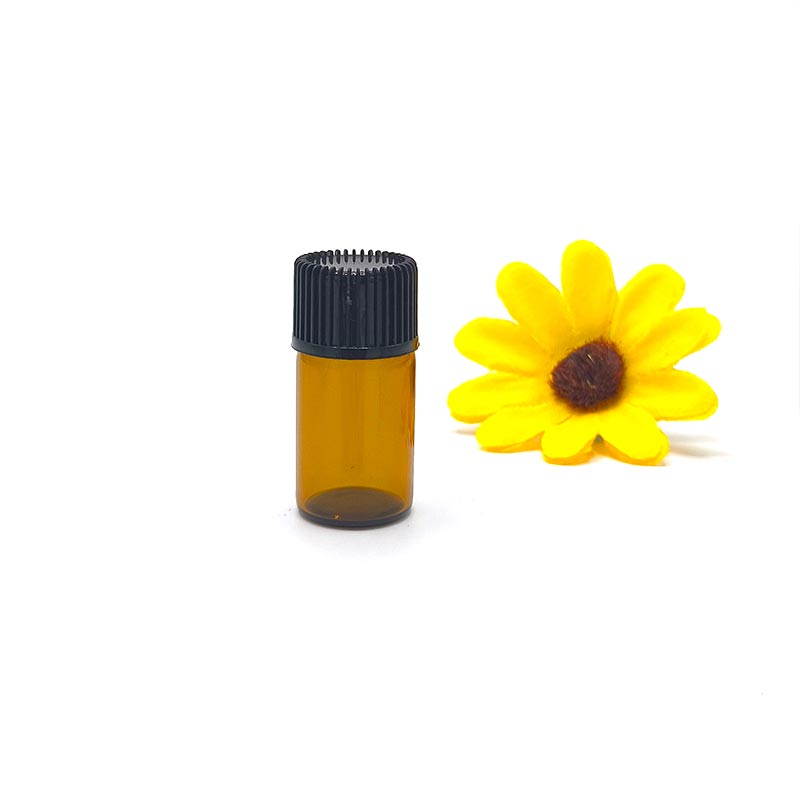
Light transmittance control technology for brown chemical glass bottles

2025-10-10 0 Leave me a message

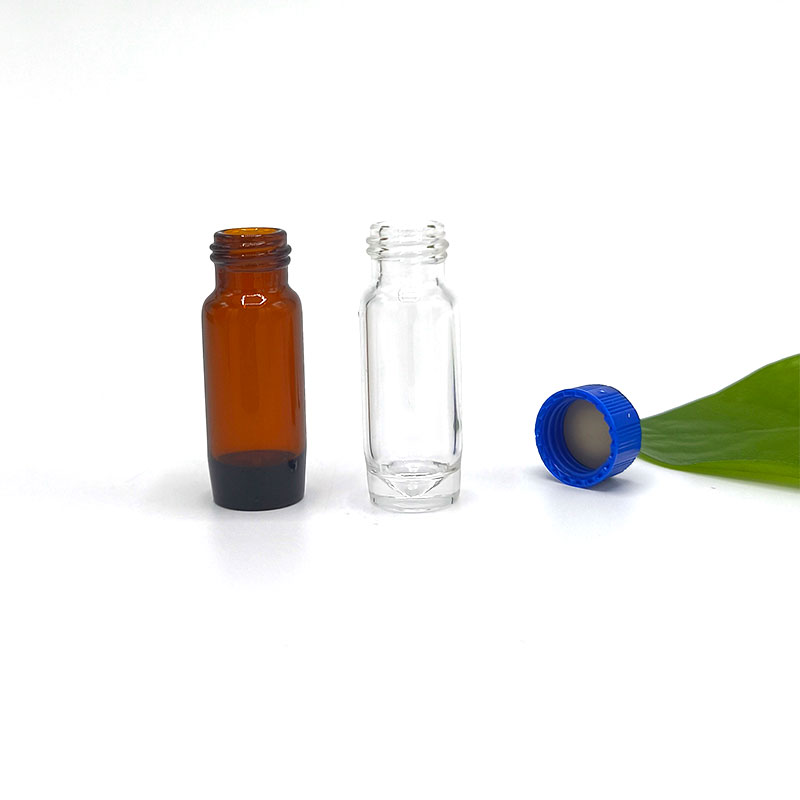
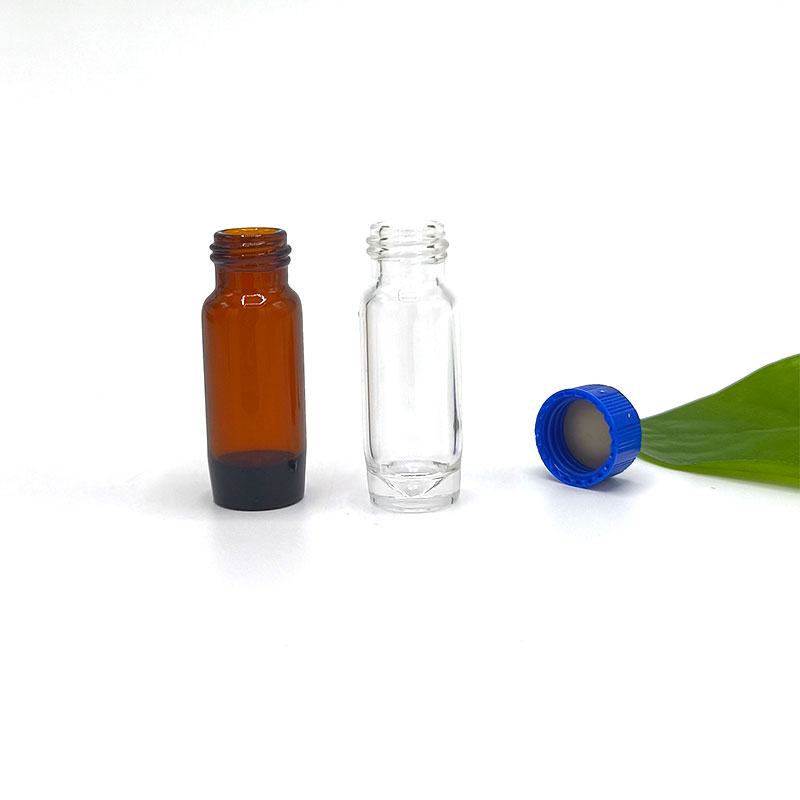
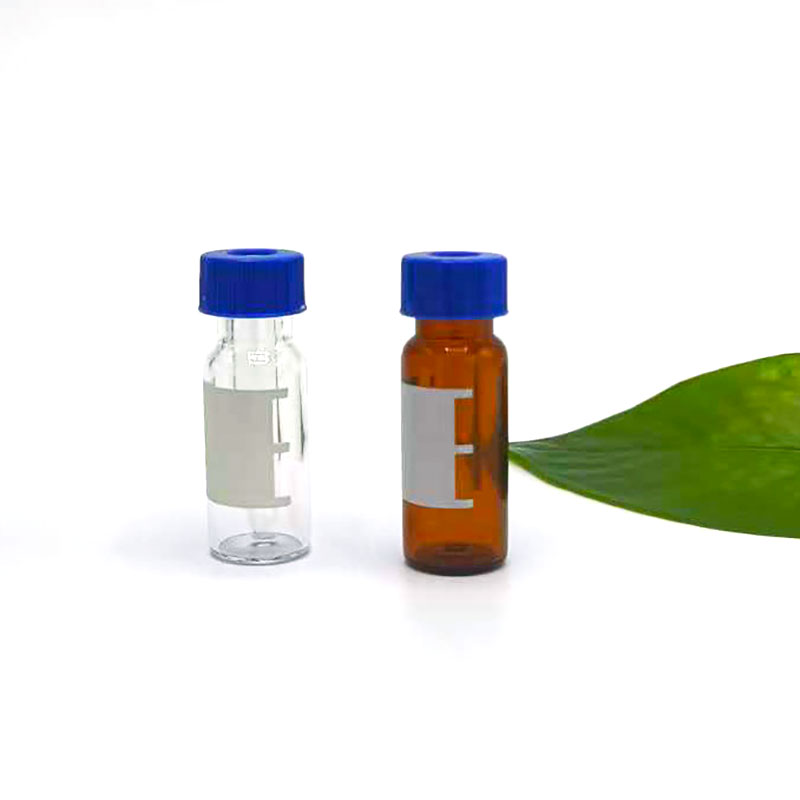
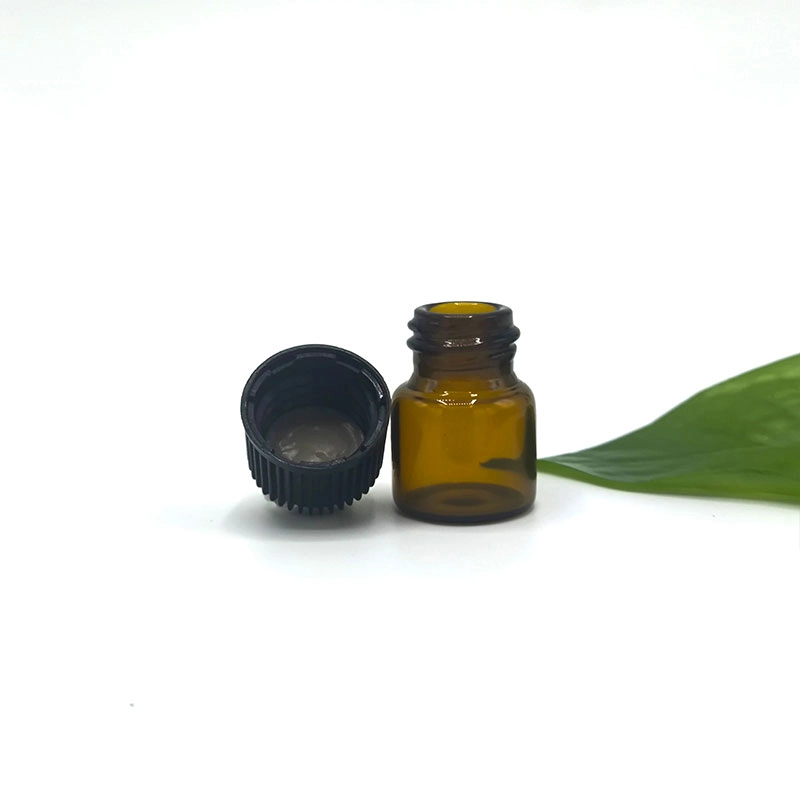
In the field of chemical packaging, brown chemical glass bottles have become the core containers for storing photosensitive chemicals due to their optical properties. The transparency control technology is directly related to the stability and safety of drugs, reagents, and other products, especially in the 290-450nm ultraviolet band, which requires effective blocking to prevent the degradation of contents due to photocatalytic reactions.

The core of transmittance control lies in material formulation and process optimization. Brown chemical glass bottles form a selective absorption layer during the glass melting stage by adding sulfur carbon composite coloring agents, which reduces the transmittance of blue and ultraviolet light with wavelengths below 420nm to below 10%. Experimental data shows that glass bottles made with low iron quartz sand raw material (Fe ₂ O3 content ≤ 0.03%) can maintain a stable transmittance of around 65% in the visible light range (390-780nm), while the transmittance in the ultraviolet range (280-320nm) is less than 2%, which is more than 90% lower than that of ordinary transparent glass.

At the process level, the melting temperature and annealing curve are key factors. Glass melting needs to be completed at a high temperature of 1450-1550 ℃ to ensure uniform distribution of coloring agents. Practice has shown that using a stepped annealing process (holding at 600 ℃ for 2 hours and then slowly cooling down) can reduce the internal stress of the bottle to below 0.3 MPa, avoiding fluctuations in transmittance caused by thermal stress. In addition, precision edge grinding technology for bottle mouth can reduce light refraction loss. By optimizing the edge grinding angle (15 °± 0.5 °), the transmittance error of the bottle mouth area can be controlled within ± 1%.

From material innovation to process refinement, the transparency control of brown chemical glass bottles has formed a complete scientific system. With the expansion of the photosensitive chemical market, the accuracy of transmittance detection will be improved to the level of 0.1%, and the development of low-cost colorants will drive the industry towards a more environmentally friendly and energy-efficient direction.

Related News
Leave me a message
X
We use cookies to offer you a better browsing experience, analyze site traffic and personalize content. By using this site, you agree to our use of cookies. Privacy Policy
RejectAccept