News

How Does Narrow Mouth Reagent Bottle Design Support Safer Laboratory Storage?

2026-09-03 0 Leave me a message

Pharmaceutical development, chemical analysis, biotechnology, and laboratory research all depend on packaging that can protect materials under controlled storage conditions. As laboratory processes become more precise, the container is increasingly regarded as part of the overall quality system rather than simply a vessel for holding a substance.

Glass continues to occupy an important position in this field because of its chemical stability, transparency, rigidity, and compatibility with many laboratory applications. Properly manufactured glass containers can help limit interaction between the packaging material and its contents while allowing laboratory personnel to observe the condition of stored materials without opening the container.

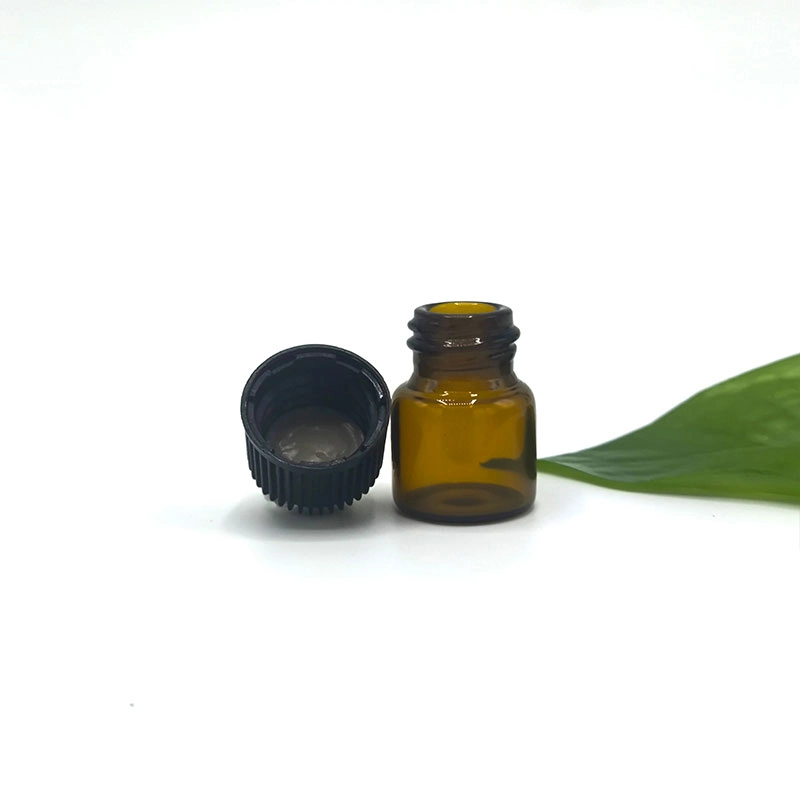
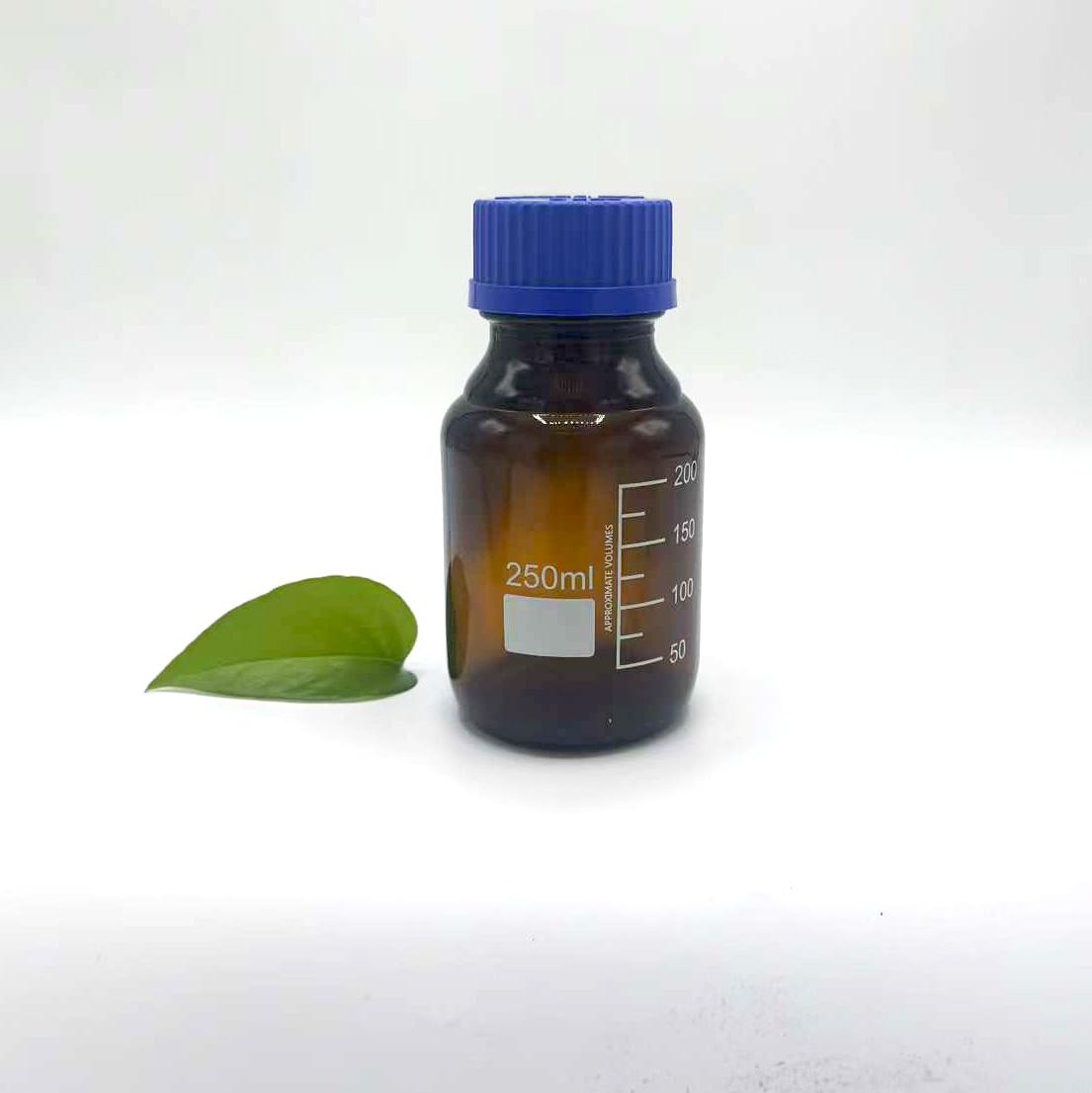
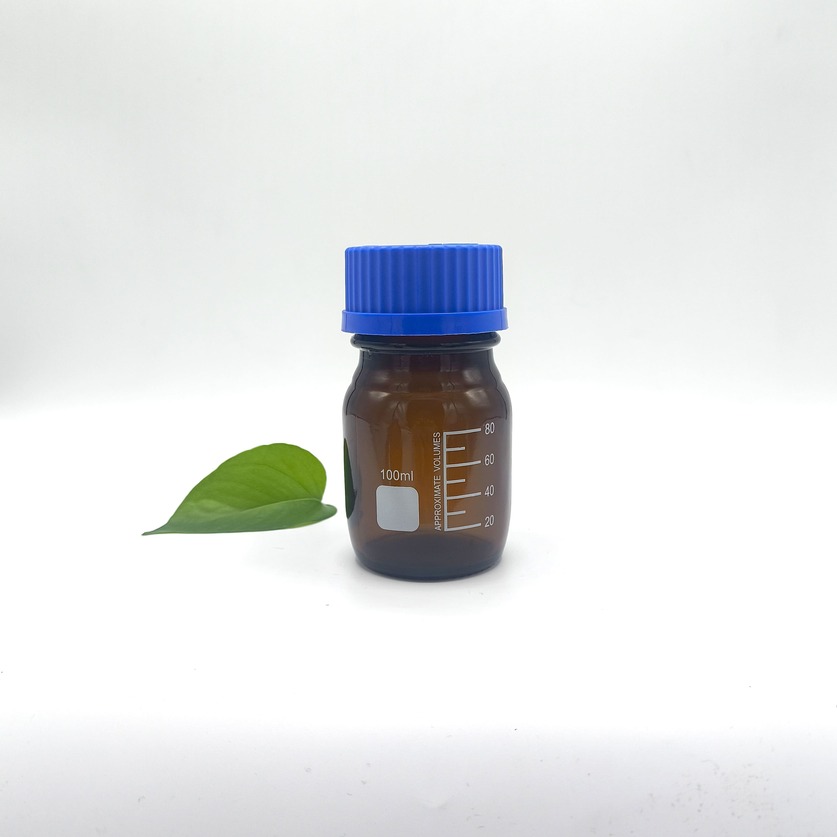
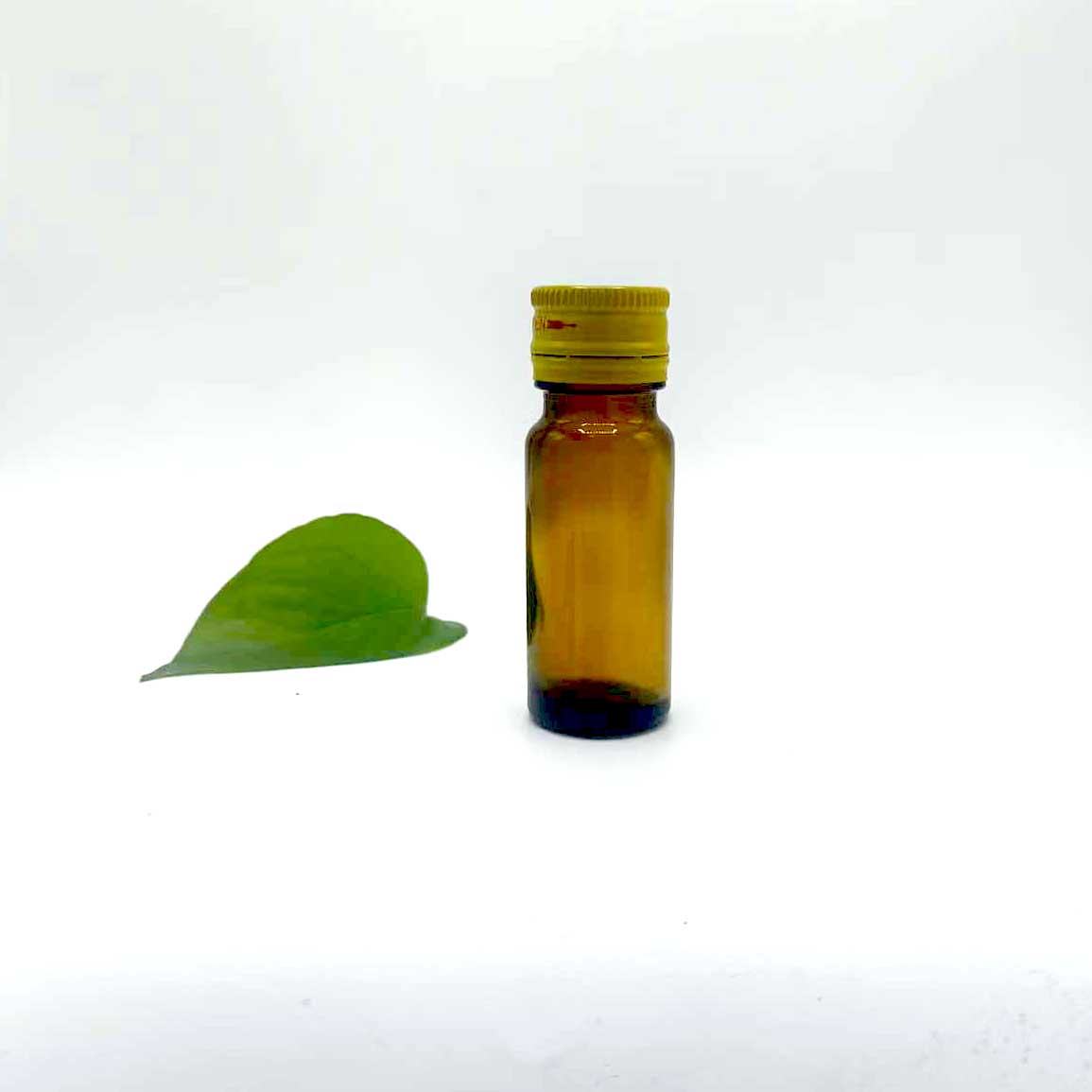
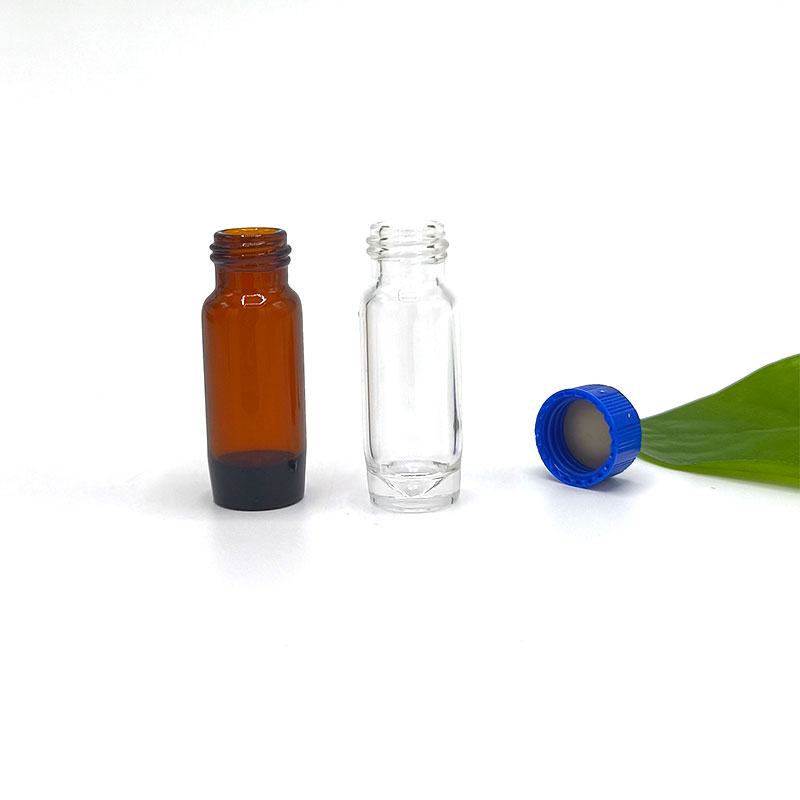
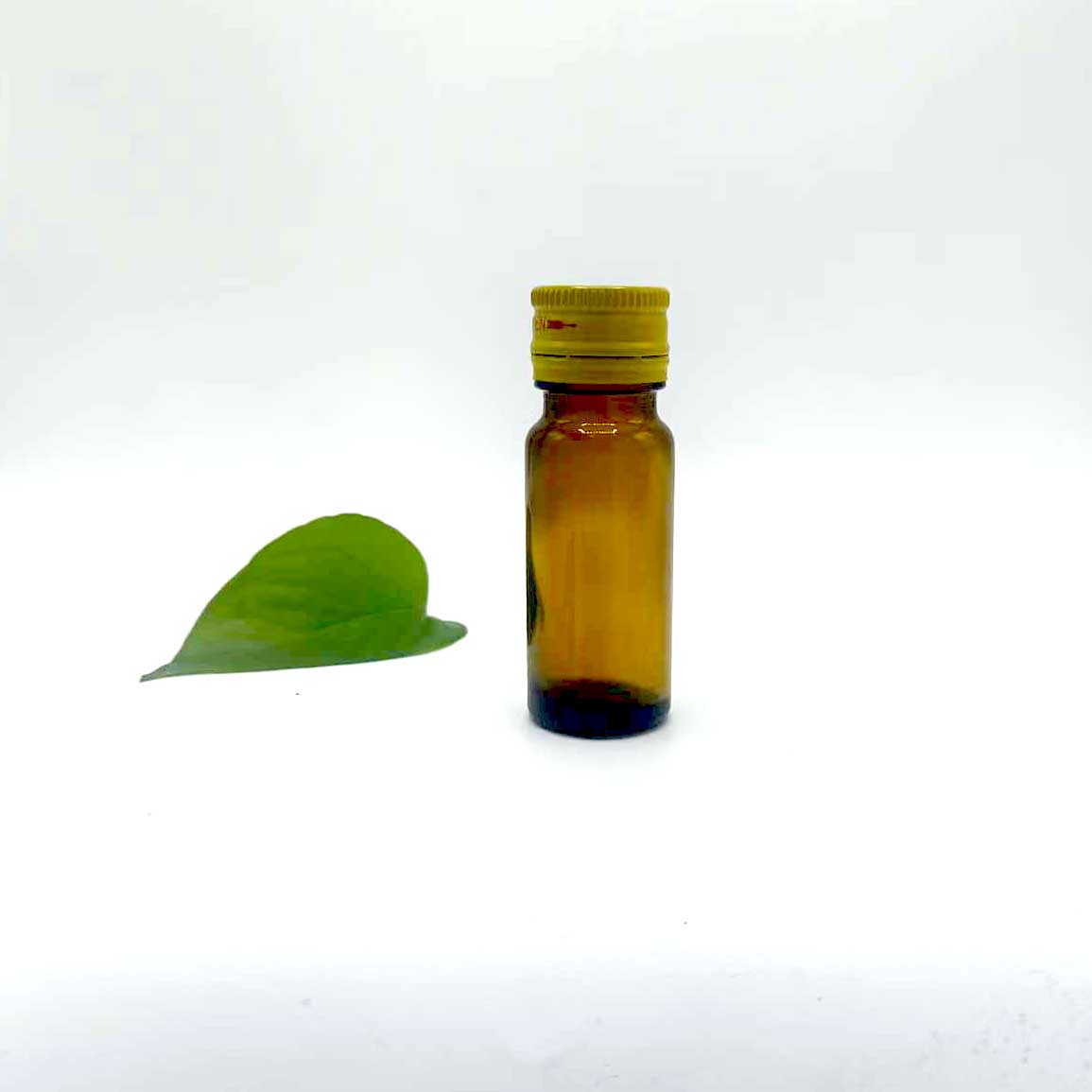
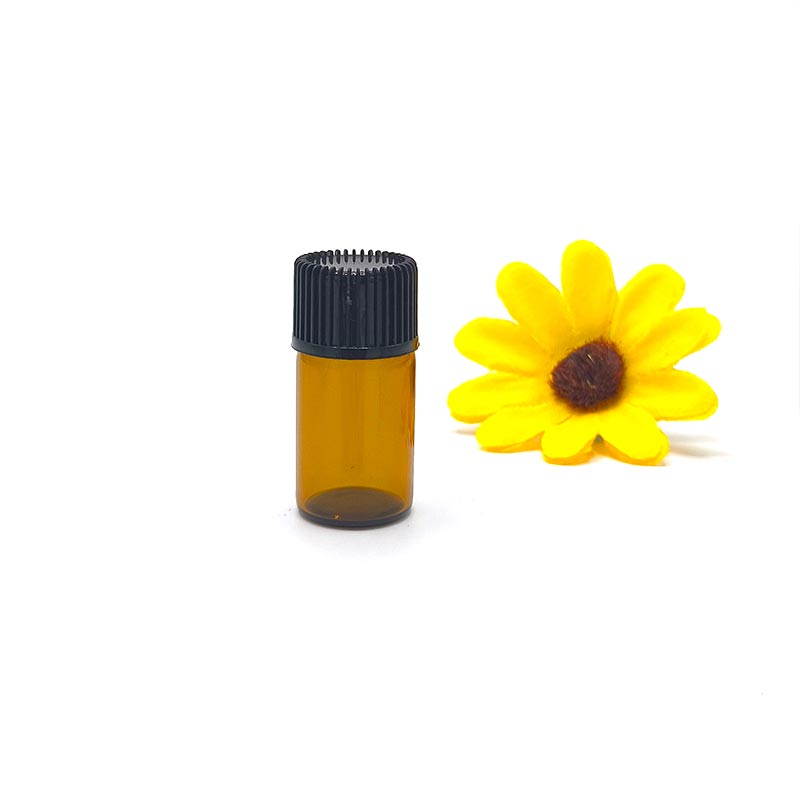
A Narrow Mouth Reagent Bottle is particularly suitable for applications where controlled access, secure closure, and dependable storage are important. Its structural characteristics can support more careful handling of reagents, solutions, samples, and other laboratory materials while helping maintain an organized working environment.

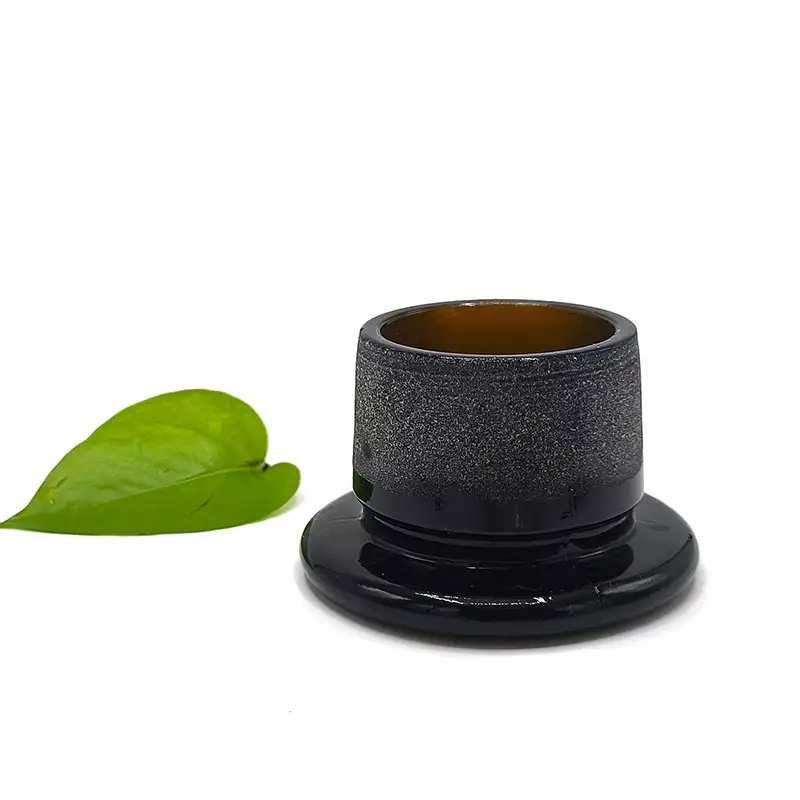
Narrow Mouth Reagent Bottle

Design Factors That Influence Container Performance

Opening Geometry and Controlled Handling

The opening of a laboratory container has a direct relationship with how materials are accessed, transferred, and stored. A narrower opening can help limit unnecessary exposure of the contents to the surrounding environment during routine handling. It can also support more controlled dispensing when used with a compatible closure or dispensing component.

For laboratories working with sensitive chemical formulations, controlled access is an important consideration. Frequent opening and closing can increase the possibility of contamination or accidental spillage. A suitable container design helps integrate storage requirements with practical laboratory procedures.

Closure Compatibility and Sealing Performance

A glass container cannot be evaluated independently from its closure system. The interaction between the bottle neck, cap, liner, and sealing surface can influence protection against leakage, contamination, moisture, and external exposure.

Professional packaging manufacturers therefore need to consider dimensional consistency and compatibility throughout the container system. A properly matched closure should provide secure engagement without compromising convenient operation. Consistent neck dimensions are especially valuable when containers are used across standardized laboratory workflows.

Material Characteristics and Chemical Resistance

Glass selection is another important factor in laboratory packaging. Different applications can involve acids, solvents, pharmaceutical intermediates, analytical reagents, biological materials, or other substances with specific compatibility requirements.

Suitable glass formulations can provide strong resistance to many chemical environments. This helps reduce the possibility of container-related interaction and supports more stable storage conditions. Material selection should always reflect the characteristics of the intended contents and the requirements of the application.

Where These Containers Are Commonly Applied

Laboratory glass packaging serves a broad range of professional environments. Although individual applications may differ, the common requirement is reliable containment combined with practical handling.

  • Pharmaceutical research: Used for laboratory reagents, development samples, intermediate formulations, and research materials.
  • Chemical laboratories: Suitable for storing chemical solutions, solvents, analytical reagents, and other laboratory substances.
  • Quality control facilities: Supports organized storage of materials used for analytical testing and quality evaluation.
  • Academic research: Provides dependable glass packaging for laboratory experiments and scientific investigation.
  • Biotechnology applications: Can support controlled storage requirements associated with research and development activities.
  • Industrial laboratories: Helps maintain practical storage systems for testing materials and process-related substances.

The versatility of glass packaging makes it useful across both research and production environments. However, the final container configuration should always be selected according to material compatibility, storage conditions, closure requirements, and applicable laboratory procedures.

How Manufacturing Quality Affects Laboratory Reliability

Consistency in Glass Forming

Reliable laboratory packaging begins with controlled manufacturing. During glass forming, variations in wall thickness, neck geometry, surface condition, or overall shape can influence how a container performs during filling, closing, transportation, and routine use.

Manufacturing consistency is therefore important for professional applications. Stable production processes help ensure that containers can work effectively with compatible closures and accessories. They also contribute to predictable handling characteristics throughout laboratory operations.

Surface Quality and Cleanliness

The internal and external condition of a pharmaceutical or laboratory glass container is another important quality consideration. Smooth surfaces can facilitate cleaning and inspection, while appropriate production controls can help reduce unwanted particles and visible defects.

Cleanliness requirements may vary according to the application. Pharmaceutical environments generally demand more controlled handling procedures than ordinary laboratory storage. Manufacturers serving these markets need production and inspection systems that reflect the sensitivity of the materials being packaged.

Inspection Before Delivery

Quality inspection provides an important final safeguard before glass containers enter the supply chain. Visual inspection, dimensional evaluation, closure compatibility checks, and other appropriate controls can help identify manufacturing inconsistencies.

A comprehensive quality management approach is more valuable than relying on a single inspection stage. Process control, production monitoring, employee training, equipment maintenance, and final evaluation should work together to support consistent product quality.

Balancing Protection With Laboratory Convenience

Laboratory packaging needs to achieve a practical balance between protection and usability. A container that offers strong protection but is difficult to open, close, label, or handle may create unnecessary operational challenges. Conversely, a convenient design without adequate sealing or material stability may not provide sufficient protection for sensitive substances.

The most effective packaging solutions consider the complete usage process. This includes filling, labeling, storage, transportation, opening, dispensing, resealing, and eventual disposal or recycling. Each stage can influence the overall efficiency of laboratory operations.

Narrow Mouth Reagent Bottle designs address this balance by combining a controlled opening with the inherent protective characteristics of glass. When matched with an appropriate closure system, the format can support both secure storage and practical access.

Packaging Development Is Moving Toward Greater Adaptability

Demand for Application-Specific Solutions

Laboratory operations are becoming increasingly specialized. Pharmaceutical formulation research, analytical chemistry, biotechnology, and industrial testing can have very different packaging expectations. A standardized container may work well for one application while requiring modification for another.

This has increased interest in flexible manufacturing and customized packaging development. Manufacturers with strong technical capabilities can work with customers to evaluate dimensions, closures, labeling surfaces, material requirements, and other characteristics that influence application performance.

Customization does not simply mean changing the appearance of a bottle. Effective customization should address practical requirements and maintain consistency with manufacturing quality systems. This approach can create packaging that fits more naturally into existing laboratory processes.

Integration With Supporting Components

Modern laboratory packaging increasingly involves multiple components working together. Closures, liners, dispensing elements, labels, protective packaging, and transportation systems may all contribute to the final performance of the container.

Compatibility between these components is essential. An effective packaging solution should consider how each element interacts with the others rather than evaluating every component separately. This integrated approach can improve usability and reduce avoidable problems during storage and handling.

Sustainability Considerations in Glass Packaging

Environmental responsibility has become an increasingly important consideration throughout the packaging industry. Glass offers a valuable advantage because it can enter established recycling streams and can be processed into new glass products when appropriate collection and recycling systems are available.

Manufacturing efficiency is also relevant to sustainability. Optimized production processes can help reduce material waste and improve resource utilization while maintaining the performance requirements of pharmaceutical and laboratory packaging.

For professional manufacturers, sustainability should be approached alongside product safety and technical performance. Reducing environmental impact should not compromise the chemical stability, structural integrity, or cleanliness expected from laboratory glass containers.

What Professional Laboratories Should Consider

Evaluate the Stored Material

The first consideration should be the substance being stored. Chemical composition, sensitivity to environmental conditions, concentration, and intended storage duration can all influence the appropriate packaging choice.

Glass compatibility should be evaluated according to the specific application rather than assumed solely from the appearance of the container. Where materials have particularly demanding characteristics, technical evaluation should be conducted before selecting the final packaging configuration.

Consider the Complete Storage Process

Container selection should also reflect how the product will be handled throughout its lifecycle. Storage conditions, transportation methods, laboratory workflow, closure frequency, labeling requirements, and dispensing procedures can all influence the final design.

Considering the complete process helps laboratories avoid selecting packaging based on a single feature. A well-designed container should support the practical requirements of the entire operation.

Assess Manufacturing Capability

The quality of a container depends heavily on the manufacturer's production and quality management capabilities. Professional suppliers should be able to demonstrate consistent manufacturing practices, appropriate inspection procedures, technical knowledge, and the ability to respond to application-specific requirements.

Long-term reliability is especially important when laboratory packaging becomes part of a standardized pharmaceutical or research process. Stable supply capability can help laboratories maintain consistency across repeated production and testing activities.

A Practical Comparison of Key Packaging Priorities

Packaging Priority Why It Matters Typical Industry Concern
Material compatibility Supports stable contact with stored substances Chemical interaction and material stability
Closure performance Helps protect contents during storage Leakage and external exposure
Dimensional consistency Improves compatibility with supporting components Reliable fitting and repeatable operation
Surface quality Supports inspection and cleaning requirements Visible defects and cleanliness
Customization capability Adapts packaging to different applications Specialized laboratory workflows

Why Manufacturing Expertise Matters to Global Customers

As pharmaceutical and scientific industries become more interconnected, glass packaging manufacturers are expected to provide more than basic production capacity. Global customers increasingly value suppliers that understand technical requirements, maintain stable quality systems, and can provide responsive communication throughout product development.

A dependable manufacturing partner should be capable of connecting product design with real application requirements. This includes understanding how laboratory containers are filled, closed, labeled, transported, stored, and used. Such practical knowledge can make a significant difference when developing packaging for specialized environments.

Manufacturers with integrated production capabilities can also offer greater flexibility when application requirements change. This may include adjustments to container design, closure compatibility, surface treatment, packaging configuration, or other technical details.

Looking Ahead to More Reliable Laboratory Packaging

The future of pharmaceutical and laboratory glass packaging will continue to be shaped by safety, material compatibility, manufacturing consistency, customization, and environmental responsibility. As research becomes more sophisticated, packaging will need to provide reliable performance without creating unnecessary complexity in laboratory workflows.

At the same time, manufacturers will need to strengthen their understanding of specific application environments. The ability to combine established glass manufacturing expertise with flexible product development can help packaging suppliers respond to the changing requirements of pharmaceutical research, chemical analysis, biotechnology, and scientific testing.

Reliable packaging is ultimately the result of cooperation between material science, engineering, manufacturing control, and application knowledge. When these elements are considered together, glass containers can provide a stable foundation for safer and more efficient laboratory operations.

Cangzhou Kangbo Pharmaceutical Packaging Co., Ltd. Strengthens Its Glass Packaging Expertise

Cangzhou Kangbo Pharmaceutical Packaging Co., Ltd. is committed to serving the pharmaceutical, chemical, and scientific research sectors with dependable glass packaging solutions. The company views every glass container as an important part of pharmaceutical safety, chemical precision, and scientific research, rather than treating packaging as a simple commodity.

With scaled production capabilities and flexible customized services, the company focuses on combining product quality, reasonable cost control, reliable reputation, and responsive service. Its approach is built around understanding the practical value that professional glass packaging can provide throughout the storage and handling process.

As global demand for dependable laboratory and pharmaceutical packaging continues to develop, Cangzhou Kangbo Pharmaceutical Packaging Co., Ltd. is positioned to support diverse application requirements through manufacturing expertise and customer-oriented service. Its commitment to quality, customization, and long-term cooperation makes the company a reliable choice for organizations seeking professional glass packaging solutions.

For laboratories and pharmaceutical applications where controlled storage, chemical stability, and dependable handling are essential, the right packaging partner can contribute significantly to overall process reliability. Cangzhou Kangbo Pharmaceutical Packaging Co., Ltd. continues to build its capabilities around these priorities, providing glass packaging solutions designed to support the evolving needs of global scientific and pharmaceutical industries.

By maintaining a strong focus on manufacturing quality and practical application requirements, the company continues to pursue its goal of becoming a trusted strategic partner in the global glass packaging industry.

Related News
Leave me a message
X
We use cookies to offer you a better browsing experience, analyze site traffic and personalize content. By using this site, you agree to our use of cookies. Privacy Policy
RejectAccept