News

How Do Laboratory Reagent Bottles Improve Lab Efficiency?

2026-05-28 0 Leave me a message

Abstract: Laboratory reagent bottles are essential tools in scientific research, chemical storage, and industrial applications. Selecting the right bottle can significantly enhance laboratory efficiency, safety, and accuracy. This article explores their types, features, proper usage, and maintenance to help lab managers and scientists make informed decisions.

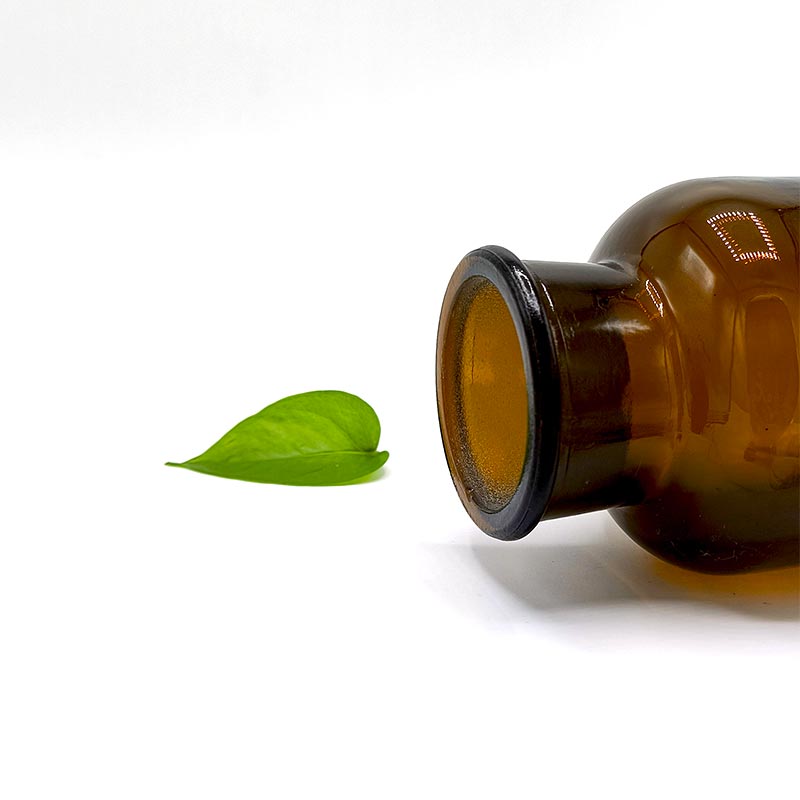
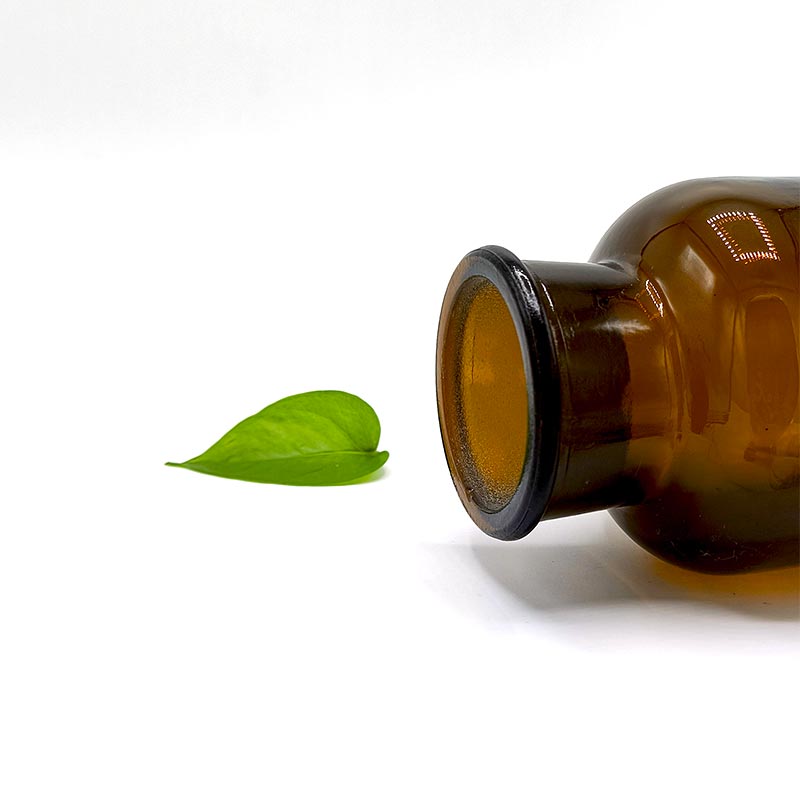
500ml Wide Mouth Reagent Bottle

Table of Contents


Introduction

Laboratory reagent bottles are indispensable in every scientific lab, whether in chemistry, biology, or industrial research. They are used to store, transport, and handle chemicals safely. Choosing the correct reagent bottle reduces contamination risks, prevents chemical degradation, and improves operational efficiency. With the variety of bottles available today, understanding their types, materials, and usage guidelines is critical for any laboratory professional.


Types of Laboratory Reagent Bottles

Reagent bottles come in different shapes, sizes, and closures, each suited for specific laboratory needs. Common types include:

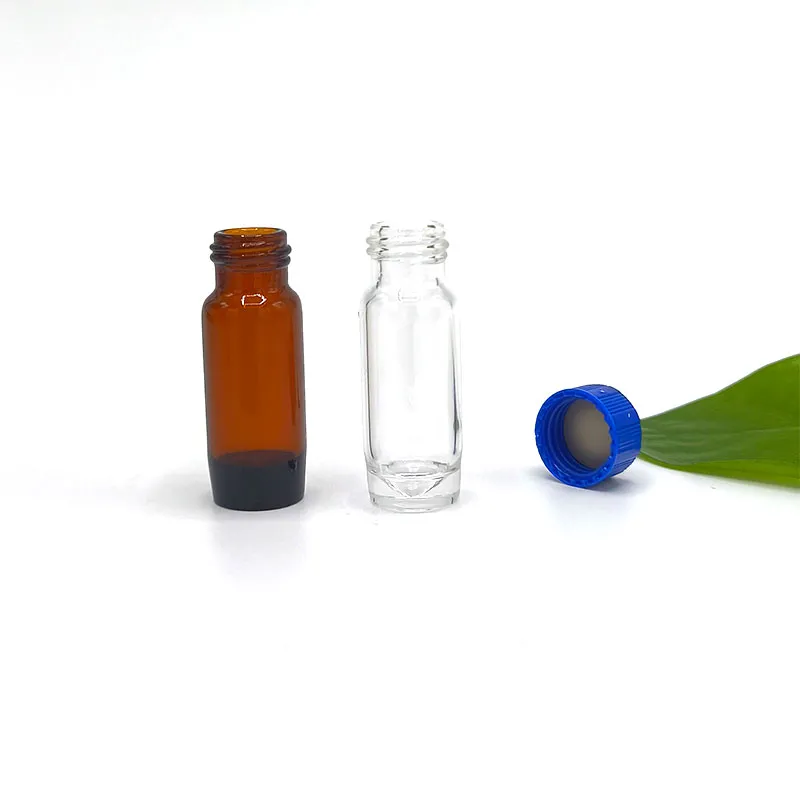
  • Standard Glass Bottles: Ideal for most chemical reagents, providing chemical resistance and transparency.
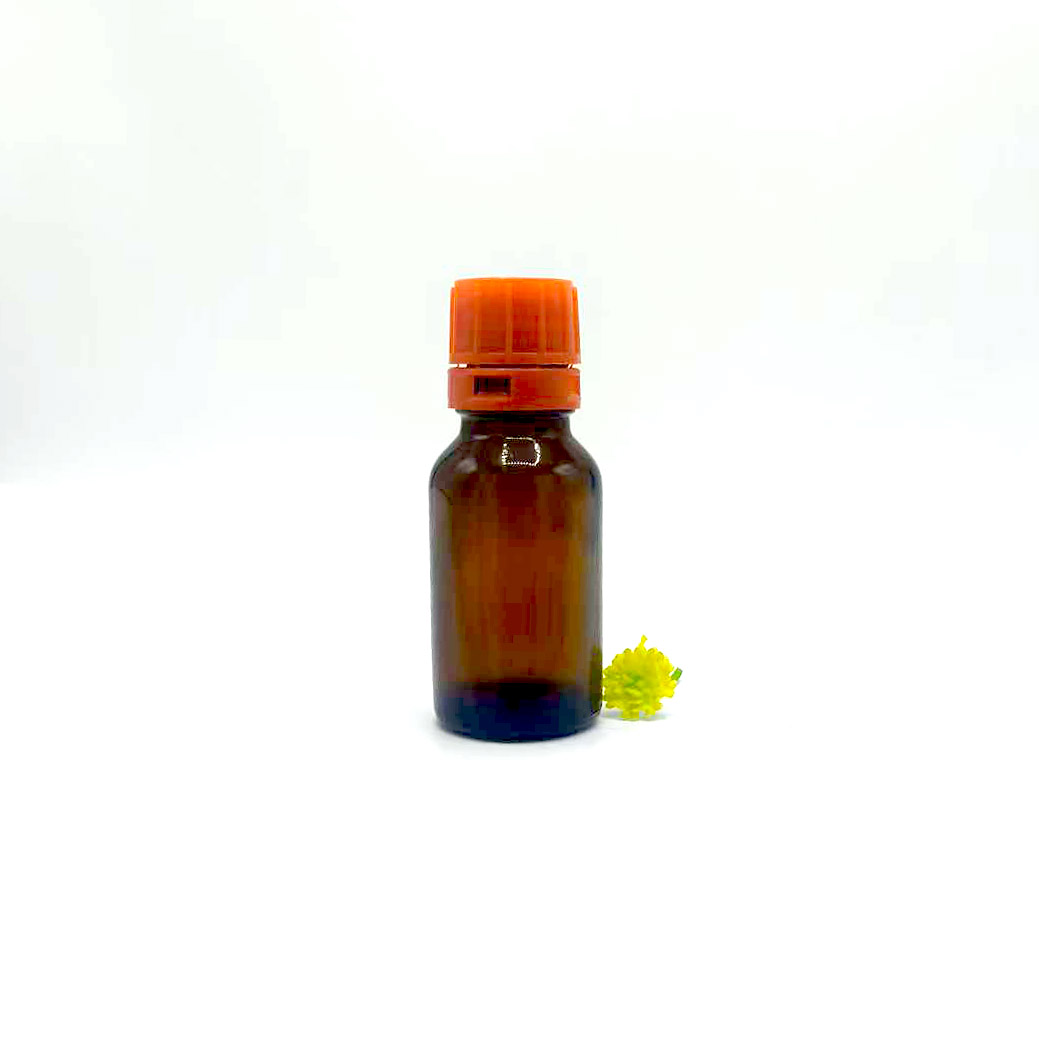
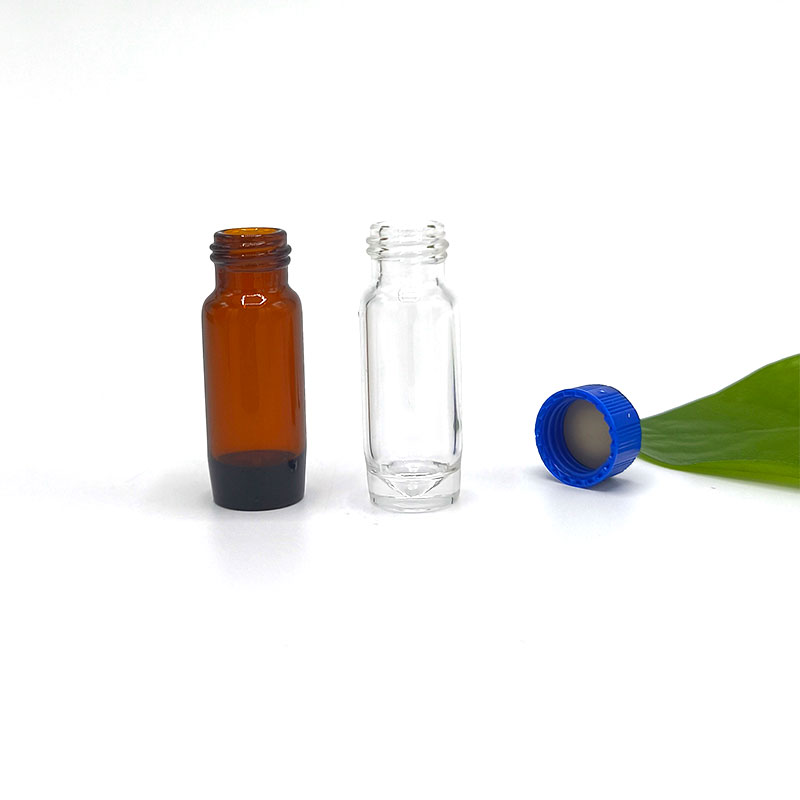
  • Amber Glass Bottles: Protect light-sensitive reagents from UV degradation.
  • Plastic Bottles: Lightweight and shatterproof, commonly used for less reactive chemicals.
  • Graduated Bottles: Feature volume markings for easy measurement and dosing.
Type Material Common Use Advantages
Standard Glass Bottle Borosilicate General chemical storage Chemically resistant, transparent
Amber Glass Bottle Borosilicate Light-sensitive reagents UV protection
Plastic Bottle HDPE/PP Less reactive chemicals Shatterproof, lightweight
Graduated Bottle Glass or Plastic Volume measurement Easy dosing

Materials and Their Benefits

The material of a reagent bottle determines its chemical compatibility, durability, and safety:

  • Borosilicate Glass: Resistant to thermal shock and most chemicals.
  • Polypropylene (PP): Suitable for aqueous solutions and acids.
  • High-Density Polyethylene (HDPE): Resistant to alkalis and some solvents.

Choosing the correct material ensures long-term stability of reagents and prevents accidents in the laboratory.


How to Select the Right Bottle

When selecting a laboratory reagent bottle, consider the following factors:

  1. Chemical Compatibility: Check whether the bottle material reacts with the stored reagent.
  2. Light Sensitivity: Use amber bottles for light-sensitive chemicals.
  3. Volume Requirements: Ensure the bottle can hold your required quantity with some headspace.
  4. Closure Type: Screw caps, stoppers, or specialized lids depending on chemical volatility.
  5. Durability: Plastic bottles for safety, glass for chemical resistance.

Proper Handling and Storage

Proper handling prevents contamination and accidents:

  • Always label bottles with chemical name, concentration, and date.
  • Store bottles in a cool, dry, and ventilated area.
  • Keep incompatible chemicals separated to prevent dangerous reactions.
  • Use appropriate protective equipment when handling hazardous reagents.

Maintenance and Cleaning Tips

Maintaining reagent bottles extends their lifespan and ensures accurate experiments:

  • Rinse bottles with distilled water after use.
  • Use mild detergents for stubborn residues; avoid harsh chemicals that may degrade the material.
  • Inspect for cracks or chips and replace damaged bottles immediately.
  • Ensure caps and stoppers are cleaned and dry before reassembly.

Frequently Asked Questions

Q1: Can I store acids in plastic reagent bottles?

A: Yes, but only use acid-resistant plastics like polypropylene (PP) or high-density polyethylene (HDPE).

Q2: Why should I choose amber glass bottles for certain chemicals?

A: Amber bottles block UV light, protecting light-sensitive reagents from degradation.

Q3: How often should reagent bottles be inspected?

A: Inspect bottles before every use for cracks, residues, or contamination.

Q4: Can I reuse laboratory reagent bottles?

A: Yes, if they are thoroughly cleaned and free from contamination. Single-use bottles should not be reused for safety reasons.


Conclusion

Laboratory reagent bottles play a critical role in ensuring laboratory safety, accuracy, and efficiency. By understanding their types, materials, selection criteria, and maintenance practices, laboratory professionals can improve workflow and reduce the risk of chemical accidents. Investing in high-quality bottles from reputable suppliers ensures reliable performance in every experiment.

For high-quality laboratory reagent bottles that meet rigorous safety and performance standards, consider Kangbo. Contact us today to find the perfect solution for your lab needs.

Related News
Leave me a message
X
We use cookies to offer you a better browsing experience, analyze site traffic and personalize content. By using this site, you agree to our use of cookies. Privacy Policy
RejectAccept