Products
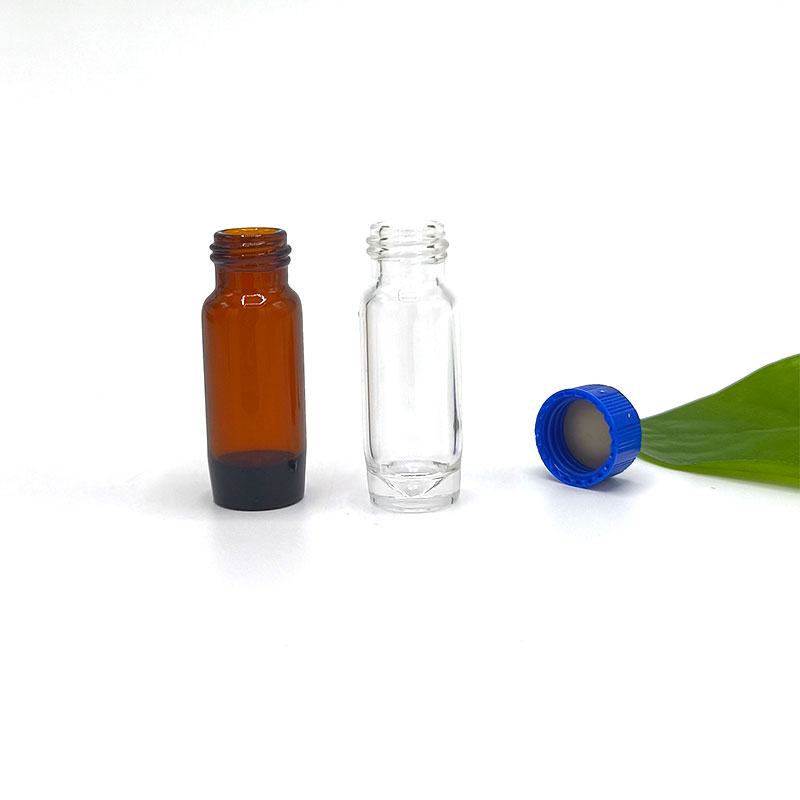
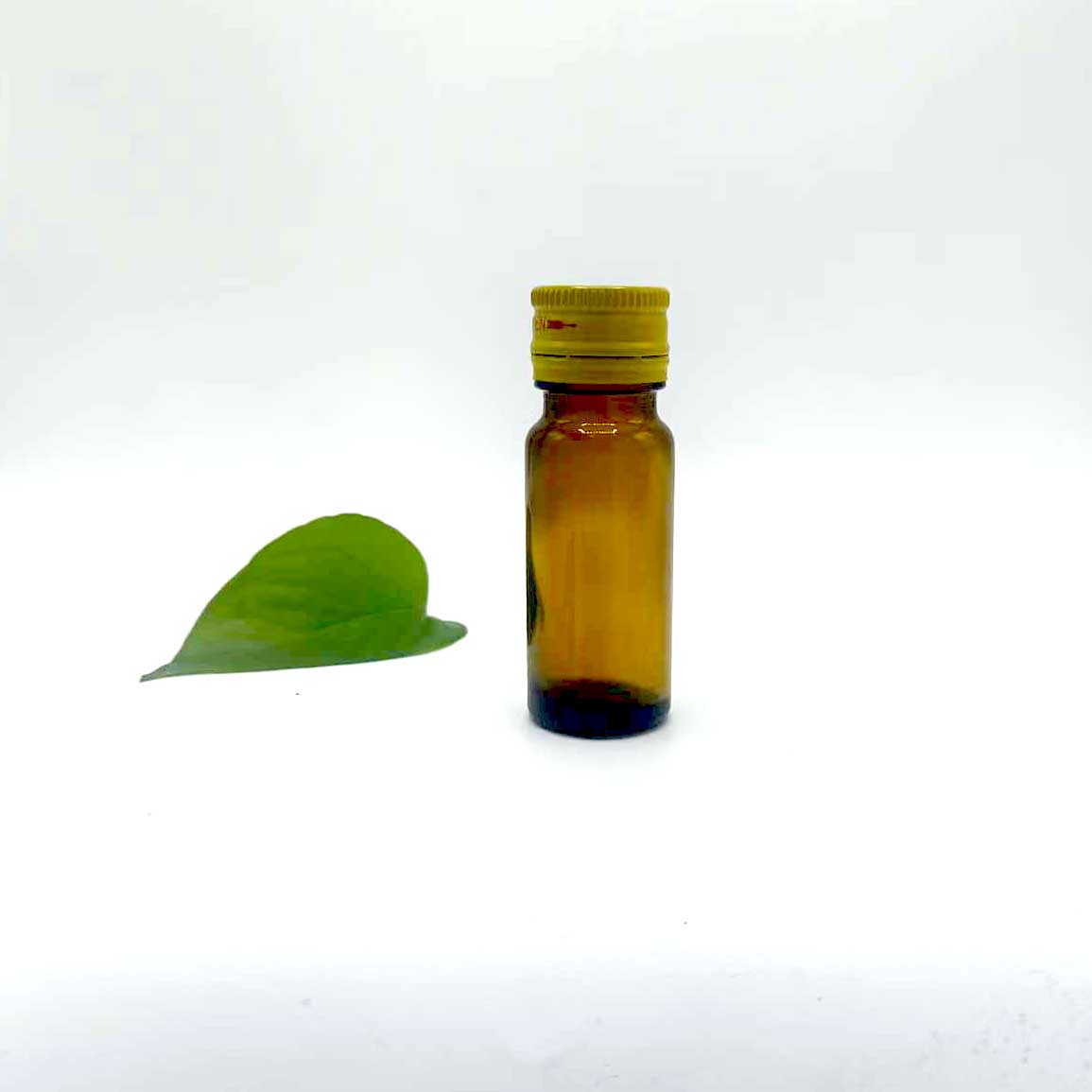
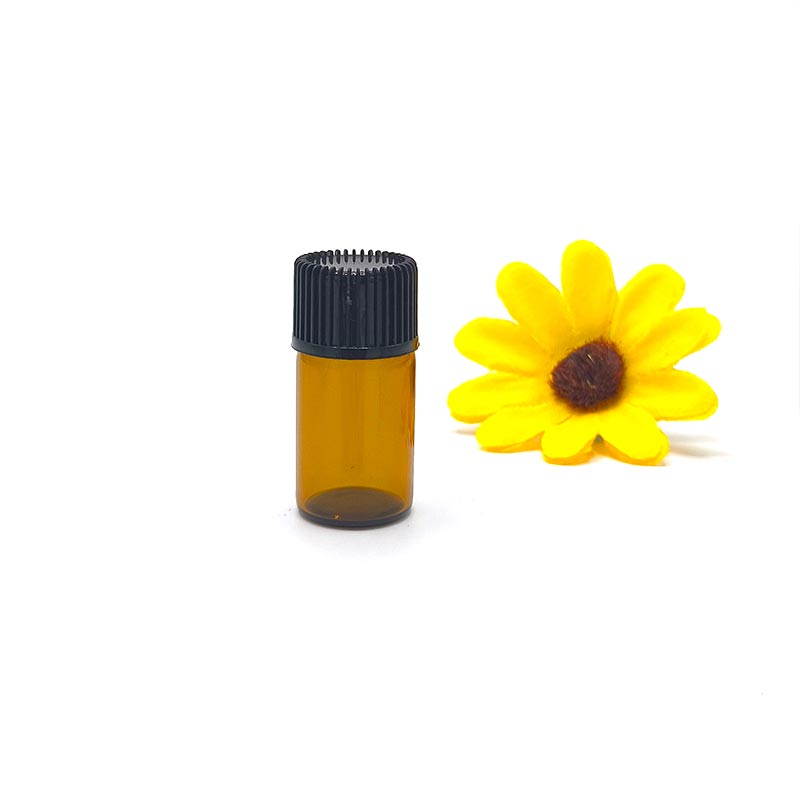
Gasket Of Reagent Bottle
  • Gasket Of Reagent BottleGasket Of Reagent Bottle
  • Gasket Of Reagent BottleGasket Of Reagent Bottle
  • Gasket Of Reagent BottleGasket Of Reagent Bottle
  • Gasket Of Reagent BottleGasket Of Reagent Bottle

Gasket Of Reagent Bottle

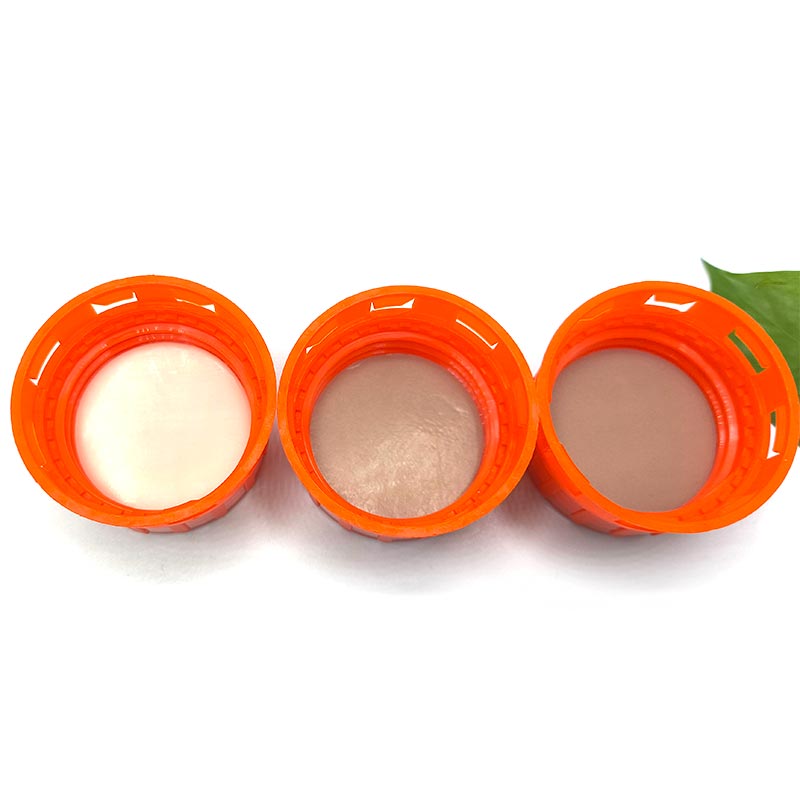
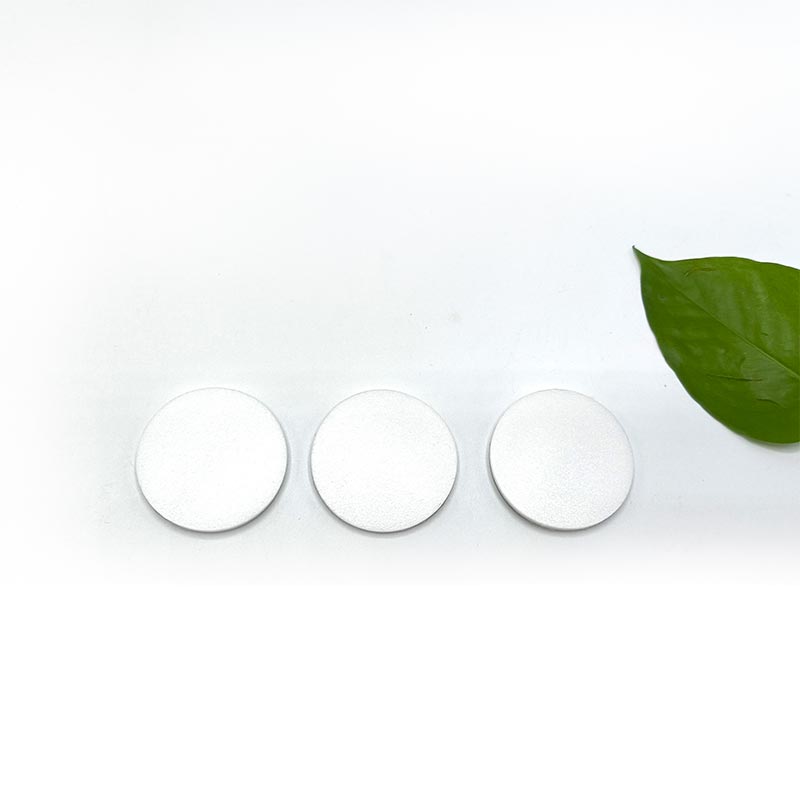
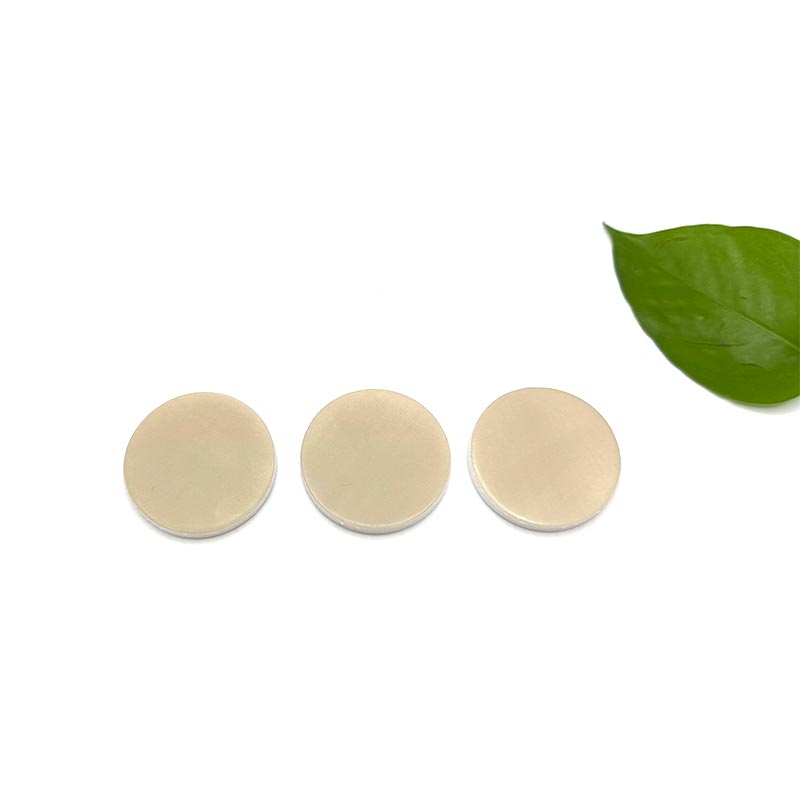
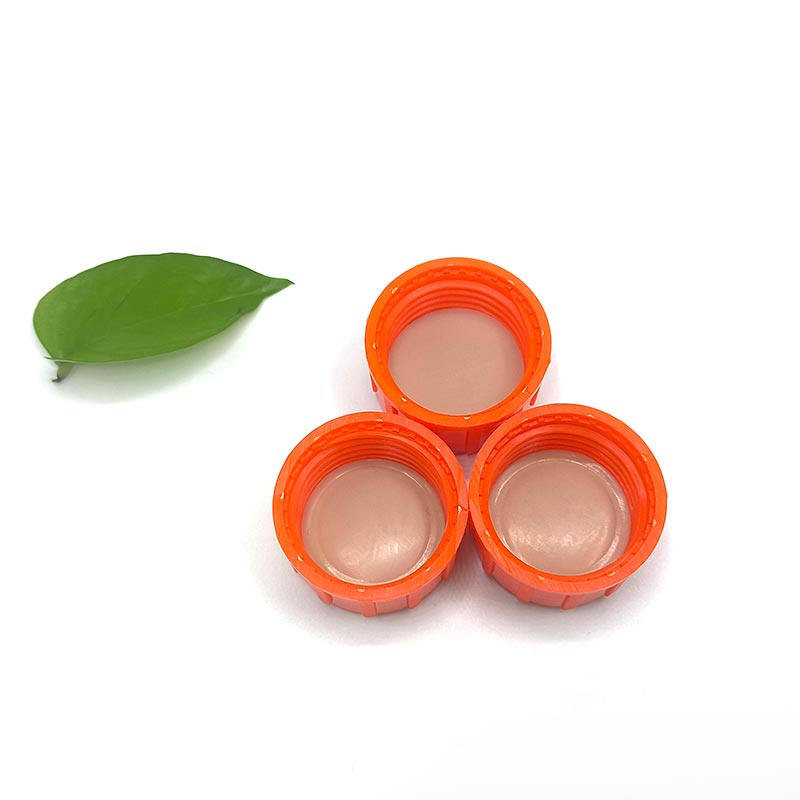
Kangbo is a laboratory supplier from China. We produce gasket of reagent bottle. These gaskets use pure PTFE material. PTFE is chemically inert. It resists all common solvents. The gaskets provide perfect sealing. They prevent contamination effectively. We offer competitive low prices. Our brand ensures quality. Free samples are available. Custom sizes are welcome.

The gasket is a small but vital part of a lab sealing system. It sits between the cap and the bottle neck. It protects sample purity and prevents contact with the outside world. Standard gaskets are not enough for priceless samples or zero contamination tolerance. Our PTFE gaskets offer absolute chemical inertness and zero contamination. They are the best choice for high-end analysis, standard storage, and demanding chemical applications.

Target User Profile: Designing for Purposeful Fields

Our PTFE gasket of reagent bottles are designed for the following professionals and scenarios that place the highest demands on sample integrity:

1. Trace and ultra-trace analysis laboratories: Users engaged in high-sensitivity analysis such as GC-MS, LC-MS, and ICP-MS. Any trace amount of extractables or adsorption can cause baseline noise, ghost peaks, or distorted results. PTFE's extreme inertness is the cornerstone of ensuring data accuracy.
2. Standards and Reference Material Managers: Laboratories responsible for storing national and international standard solutions and certified reference materials (CRMs). These samples must maintain absolute stability in concentration and purity throughout their lifecycle, and our reagent bottle PTFE gaskets provide the highest level of assurance.
3. Those who handle highly corrosive chemicals: Users who use strong oxidants (such as concentrated nitric acid, concentrated sulfuric acid) and highly corrosive solvents. PTFE is one of the few materials that can withstand long-term corrosion from almost all chemical media.
4. Pharmaceutical and biotechnology R&D teams:They develop new drugs. They need to store highly active ingredients, intermediates, or compounds. These substances are sensitive to degradation. They require a container system that causes zero interaction.
Guardian of long-term storage projects:This applies to sample library projects. These projects need storage for many years or longer. The gasket material must not age, degrade, or release any substances.

Core Function: Why is PTFE the "King" Material?

PTFE, commonly known as the "King of Plastics", derives its core function as a gasket of reagent bottle material from its unparalleled molecular structure:

1. Chemical inertness: This is PTFE's core advantage. Its molecular backbone is composed of strong carbon-carbon bonds, surrounded by highly electronegative fluorine atoms, forming a nearly indestructible "protective wall." This makes it resistant to all known strong acids, bases, strong oxidizers, organic solvents, and corrosive chemicals, including aqua regia. This ensures zero dissolution and zero adsorption, ensuring 100% protection of sample components.
2. Heat resistance: The long-term operating temperature range is 200°C to +260°C. This means it can be stored at room temperature. It also easily handles high-temperature autoclaving at 121°C. It withstands even higher oven temperatures. Its performance does not degrade.
3. PTFE has a very low surface energy. This gives it excellent non-stick properties. Thick samples like syrups will not stick to the gasket. This allows full sample recovery with no residue. It also makes cleaning easy.
4. Impermeability: Although PTFE itself has a certain degree of permeability to gases and vapors, its dense material can still provide barrier properties far superior to many elastomers, especially for the volatilization of solvent vapors.

Design and Material Form: More Than Just a Film

The PTFE side faces the chemicals, providing an unparalleled chemically inert barrier. The middle silicone layer provides excellent compressibility and elastic recovery, ensuring that the gasket of reagent bottle can fully deform to fill the tiny unevenness of the bottle mouth every time the cap is tightened, and maintain a strong sealing force after repeated opening and closing.
It perfectly combines the chemical inertness of PTFE and the elastic sealing power of silicone, achieving a 1+1>2 effect and is the gold standard for reusable sealing scenarios .

Applicable Scenarios and Selection Guide

1. Required scenarios:

Store high-purity solvents such as chromatographic grade and MS grade.
Storage of standard solutions, calibrators, and CRMs.
Storage of highly corrosive liquids such as concentrated nitric acid, concentrated sulfuric acid, aqua regia, and hydrofluoric acid (specific grade of PTFE required).
Storage of bioactive molecules that are extremely sensitive to trace contamination (e.g. certain enzymes, antibodies).

2. Preferred scenarios:

Long-term storage of any valuable aqueous or organic preparations.
When storing volatile solvents (such as dichloromethane, acetone, acetonitrile), PTFE/silicone composite gaskets can provide excellent sealing.
All scenarios requiring frequent autoclaving and exposure to chemicals.

3. Notes:

Pure PTFE gasket of reagent bottles have limited elasticity and are not recommended for use in situations where frequent opening and repeated sealing are required and extremely high airtightness is required (unless composite gaskets are used).
Although PTFE itself is resistant to strong alkaline solutions, the silicone layer compounded with it may not be resistant. If strong alkalis need to be handled, it is recommended to consult for special configurations.

Summary:

Our polytetrafluoroethylene (PTFE) sealing gasket of reagent bottles are your strategic choice for handling the most demanding chemical challenges and protecting your most precious samples. They represent the pinnacle of sealing material performance and are an insurance policy that minimizes risk.
When your experiment cannot tolerate the slightest error, and when the value of your samples far exceeds the cost of consumables, choosing our PTFE gaskets is like putting the most reliable "safety lock" on your scientific research results.

Gasket Of Reagent Bottle Gasket Of Reagent Bottle Gasket Of Reagent Bottle Gasket Of Reagent Bottle
Send Inquiry
Contact Info
  • Address

    30 meters north of the Second Hospital of Jiaohe Town, Botou City, Cangzhou City, Hebei Province, China

For inquiries about glass reagent Bottle, laboratory reagent bottle, reagent bottle gasket or price list, please leave your email to us and we will be in touch within 24 hours.
X
We use cookies to offer you a better browsing experience, analyze site traffic and personalize content. By using this site, you agree to our use of cookies. Privacy Policy
RejectAccept