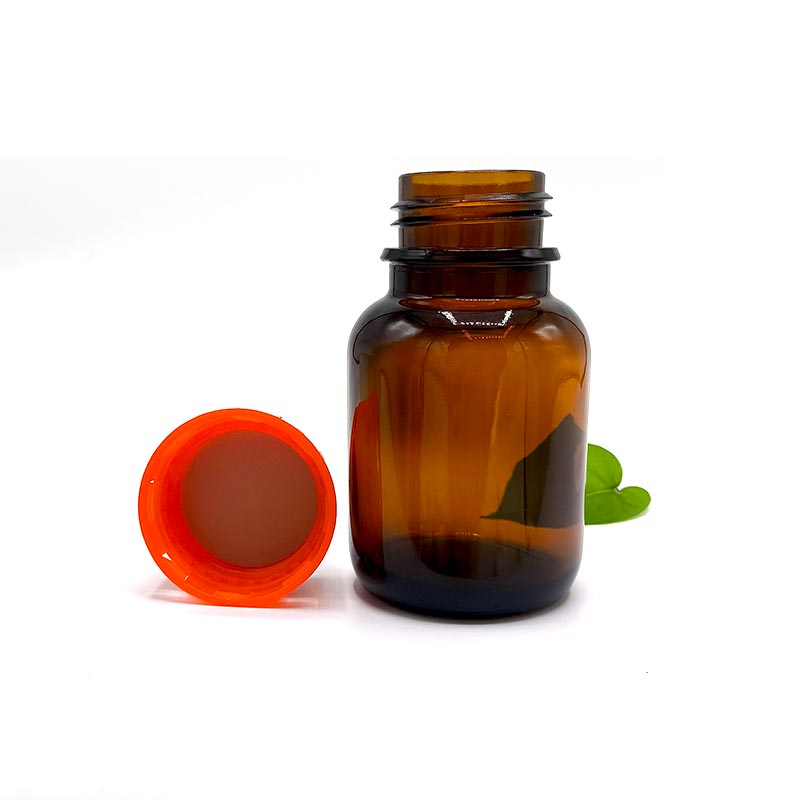
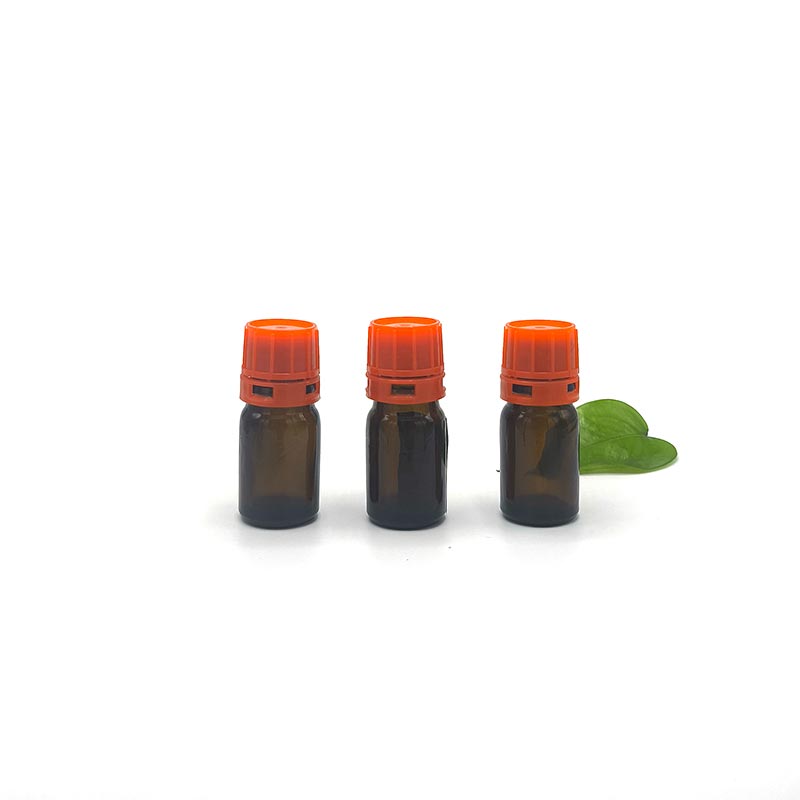
Volatile and hazardous reagent storage poses a core laboratory challenge.These reagents supply essential materials while posing evaporation, contamination, and health risks. Narrow mouth reagent bottles meet this critical need. Their specialized design delivers unmatched protection for sensitive reagents. They function as crucial safety barriers, not mere containers.
I. Design Philosophy: Precision Control
Unlike Medium mouth glass reagent bottles and Wide Mouth Reagent Bottles, Narrow mouth reagent bottles prioritize "restraint and control." Their defining feature is a slender neck. The bottle mouth's inner diameter is significantly smaller than the body's diameter. By limiting the interface between the bottle interior and the external environment, it achieves precise control over the reagent's physical state, transforming "free" volatilization into "controlled" storage.
II. Core Materials: Safety and Inertness
Narrow-mouth bottles use top-quality materials for demanding applications.
1. Borosilicate Glass Bottle
The bottle uses laboratory-grade 3.3 borosilicate glass. This material ensures fundamental stability.
Excellent thermal shock resistance: It can withstand instantaneous temperature differences exceeding 120°C, ensuring safety during drastic temperature changes from high-temperature sterilizers to low-temperature refrigerators, and completely eliminating reagent leakage and safety accidents caused by bottle rupture.
Excellent chemical inertness: It exhibits strong resistance to most chemicals, especially strong acids, bases, and organic solvents. Its near-zero extractables ensure that even when storing high-purity standards or reference materials for trace analysis, no background interference is introduced, ensuring the accuracy of analytical results.
High mechanical strength and clarity: The bottle is strong and wear-resistant, with a long life cycle. The bottle offers excellent clarity. Users can easily check the reagent's level, color, and purity.
2. PP Cap and PTFE Gasket
The cap uses precision-made polypropylene. It resists chemicals, stress cracks, and stays tough. It keeps its shape after many uses, preventing leaks.
Each cap has a built-in PTFE gasket. This gasket resists chemicals and absorbs very little. It works from -200°C to 260°C. It keeps vapors in and blocks contaminants out.
3. Material Combination
Borosilicate glass, PP cap, and PTFE gasket work together. They create a superior storage environment. This system delivers high sealing and absolute inertness. It provides top-level protection for challenging reagents.
Ⅲ. Detailed explanation of core advantages: Why narrow-mouth bottles are irreplaceable
1. Ultimate volatility control
Their physical principle lies in significantly reducing the surface area for evaporation of liquids.The narrow-mouth design effectively slows evaporation. It protects low-boiling-point solvents like ether and acetone. This directly reduces reagent loss and costs. It also lowers VOC levels in laboratory air. This ensures operator safety and meets environmental standards.
2. Precise pouring and liquid flow control
The slender neck creates a controlled liquid path. It forms a stable column of liquid during pouring. This design effectively prevents splashing and dripping. It is crucial for handling high-value reagents like enzymes and isotopes. The protection extends to corrosive acids like hydrochloric and nitric acid. It also applies to highly toxic substances. Any spillage risks major financial loss or serious safety incidents.
3. Enhanced Sealing
A smaller opening reduces the sealing area. The cap applies more concentrated force on the PTFE gasket. This creates a stronger, more reliable seal. Such sealing is vital for moisture-sensitive reagents. It protects easily oxidized materials like anhydrous aluminum chloride.
4. Space Optimization
Narrow mouth bottles feature a taller, slimmer design. This shape maximizes vertical storage space. They fit efficiently in refrigerators and fume hoods. The streamlined profile supports better organization and quicker access.
IV. Typical Applications
Narrow-mouth bottles serve critical roles in specific settings.
Organic Chemistry Laboratories: Store diverse solvents including ethers, esters, alcohols, ketones, and halogenated hydrocarbons.
Analytical Laboratories: Hold chromatographically pure mobile phases and standard solutions.They also hold standard stock solutions and volatile internal standards.
Pharmaceutical industry: Stores easily oxidized API intermediates and standards.
Research institutions: Holds moisture-sensitive reagents like Grignard and alkyl lithium reagents.
Any field involving toxic, hazardous and volatile chemicals.
Ⅴ. Specification Selection and Usage Guide
To meet the needs of precise operation, we provide a variety of narrow-mouth bottles:
Capacity series: From small capacity of 1ml, 2ml, 3ml, 4ml, 5ml, 10ml, 15ml, 20ml, 30ml , to medium capacity of 50ml, 100ml , 500ml , to large capacity reserve packages of 1000ml , 1500ml, 12000ml , 3000ml , 4000ml , fully covering the needs from daily use to batch storage.
Color Options
Clear Bottles:This versatile option enables easy content viewing.
Amber Bottles:These provide dual protection for photosensitive volatile reagents.
Ⅵ.Summarize
Narrow mouth reagent bottles are the epitome of function-driven design in labware. They sacrifice some filling convenience in exchange for significant improvements in safety, economy, and precision. When dealing with dynamic and unruly chemicals, choosing a high-quality narrow-mouth bottle is like adding a silent and reliable guardian to your lab. Its rigorous scientific design minimizes uncertainty, allowing you to explore with peace of mind and confidence.