News

When 1 milliliter of liquid determines the quality of life: Who is safeguarding the safety of the "last centimeter" of injections?

2025-12-17 0 Leave me a message


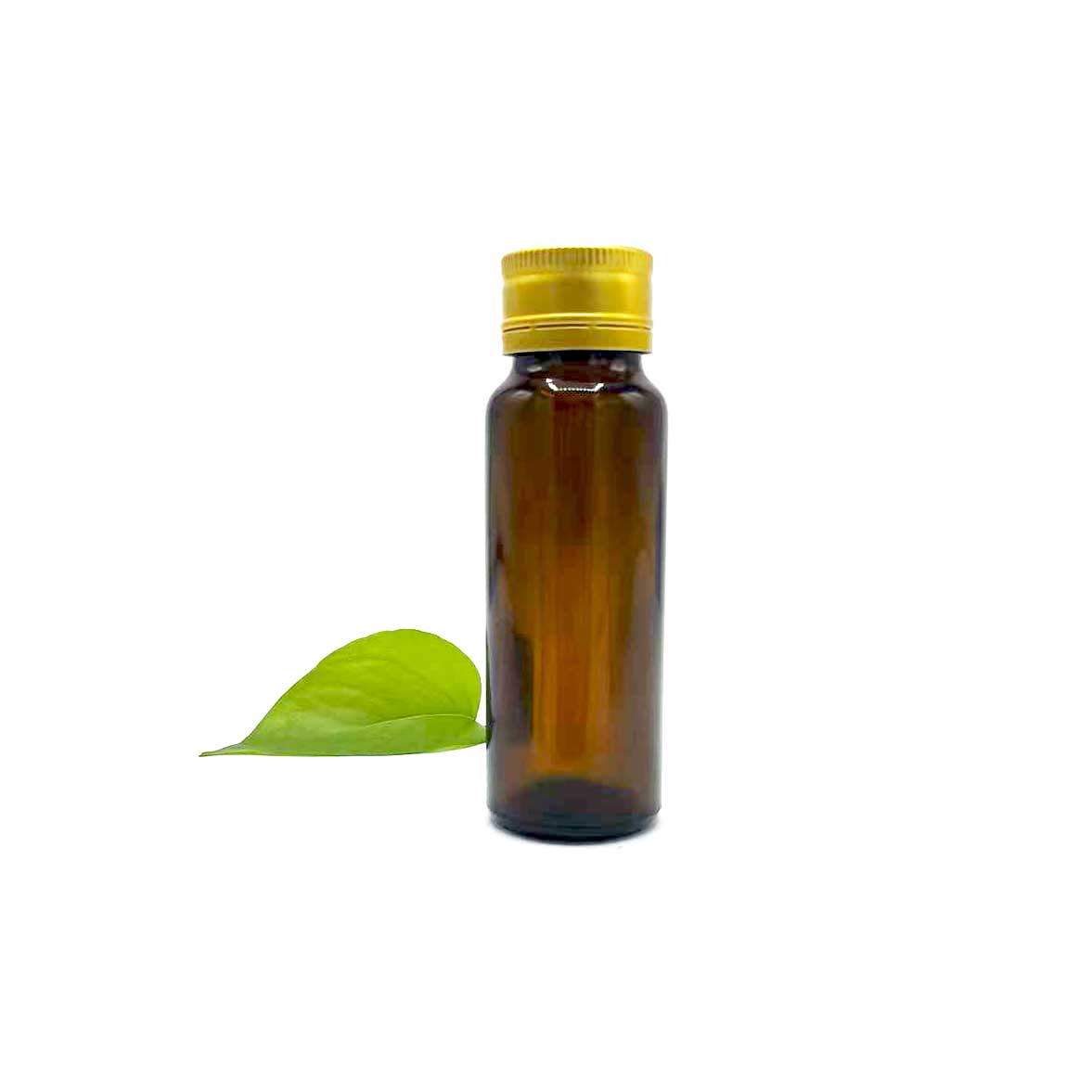
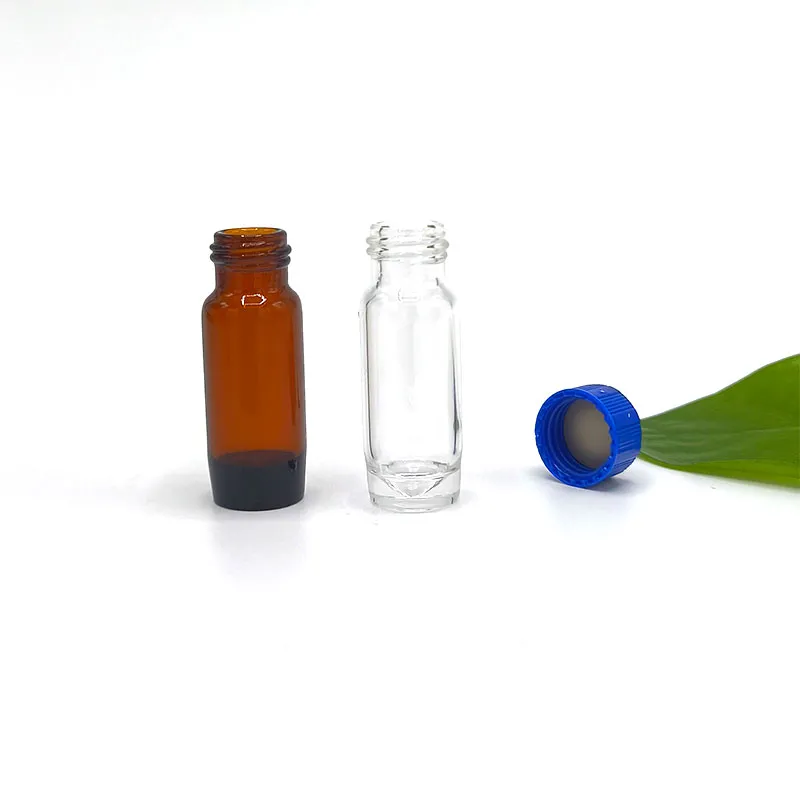
In the vast pharmaceutical industry, the injection vial is easily overlooked. Yet this component is crucial. The glass container typically holds no more than 50 milliliters. It may contain life-saving drugs. It may carry health-maintaining nutrients. It may hold critical vaccines. This vial is the last physical barrier. It contacts the liquid medication directly. It then enters the human circulatory system. Its safety cannot face the slightest compromise. Today we explore this field. The field seems simple but is technologically advanced. We explore how professional manufacturers operate. They safeguard the safety of this "last centimeter."


Chapter 1: The Scientific Threshold of Medical-Grade Glass

Unlike ordinary glass, injection vials must be made of neutral borosilicate glass that meets pharmacopoeia standards. The special characteristic of this material lies in its exceptional chemical stability—it must ensure that the vial wall does not interact with the medication during long-term storage, preventing pH changes, adsorption of active ingredients, or leaching of harmful substances.

"This is not only materials science, but also life science," a senior pharmaceutical expert pointed out. "If excessive alkali metal ions are released into the glass, it may alter the activity of biological agents; if there are microcracks that are not visible to the naked eye, they may become a breeding ground for bacteria. Every substandard bottle may directly translate into clinical risks."


Chapter 2: The Invisible Battlefield: Cleanliness and Sealing

Production environment requirements for injection vials are extremely high. The core production area must meet ISO Class 5 cleanliness standards. This is also called Class 100. It means each cubic meter of air can have no more than 3520 particles. These particles are larger than 0.5 micrometers. This controlled environment guarantees one thing. It ensures the vials' initial cleanliness before the filling process begins.

The sealing system is equally crucial. The fit between the pharmaceutical-grade halogenated butyl rubber stopper and the glass bottle neck must achieve a microbiological-grade seal, ensuring no leakage or contamination during long-term storage, while also guaranteeing smooth puncture and no debris shedding during clinical use. This "glass-rubber" interface is the core of packaging integrity.


Chapter 3: Kangbo's Philosophy on Medical Containers: Zero Defects are a Measurable Standard

On Kangbo's medical packaging production line, each vial undergoes more than 20 quality inspection procedures.

“In the civilian sector, a failure rate of one in ten thousand might be acceptable; but in the medical sector, our goal has always been one in a million in reliability,” said the head of Kangbo’s medical product line.

This pursuit is reflected in specific parameters:

Inner surface water resistance: Through precise glass formulation and surface treatment technology, it ensures that the highest standard of HC1 is met.

Breaking strength: The neck of the ampoule undergoes special reinforcement treatment to ensure that it can be broken safely and neatly, avoiding the generation of glass particles.

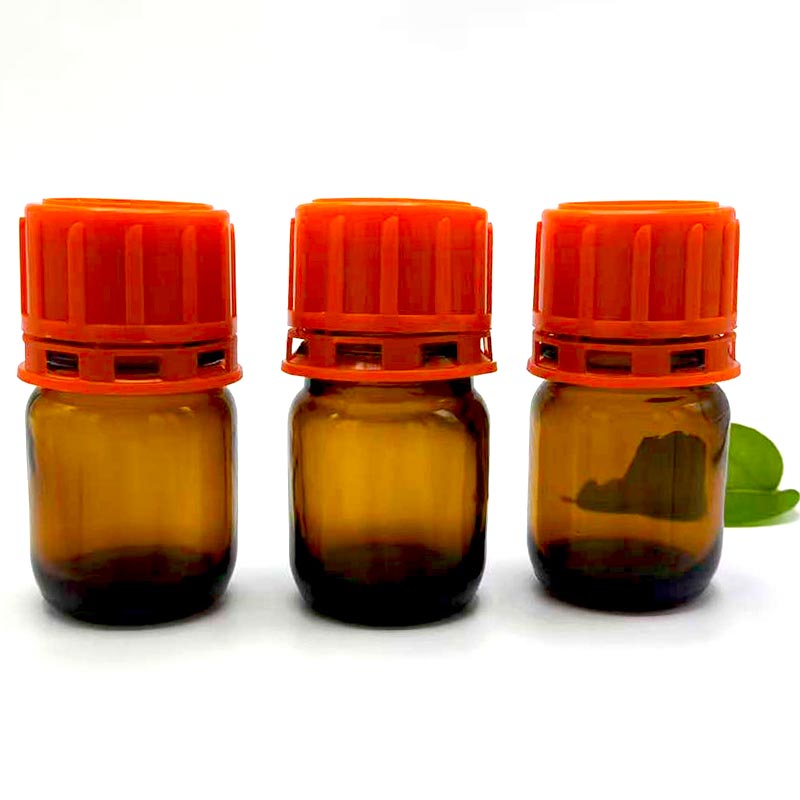
Transmittance protection: For photosensitive drugs, specific amber-colored glass is used to precisely control the transmittance of different wavelengths of light.

Micron-level size control: ensuring perfect integration with automated filling equipment and improving production line efficiency.


Chapter 4: Addressing New Industrial Challenges

With the booming development of biopharmaceuticals, injectable packaging faces new demands:

The widespread use of pre-filled syringes necessitates glass tubing with more precise dimensions and stronger mechanical properties.

High-value biopharmaceuticals require less stringent surface treatment for protein adsorption.

With the trend of home medication use, higher requirements are being placed on the ease of use and safety of drug packaging.


Conclusion: The Silent Guardian

Behind every dazzling medical breakthrough, there are always silent guardians. Injection vials may not appear in the author lists of medical papers, nor be specifically mentioned in clinical reports, but they are always there—on pharmaceutical filling lines, in hospital pharmacies, and in the hands of patients, fulfilling their promise to protect life in its purest form.

Every safe injection begins with a perfect container. In this field concerning life and health, good packaging is not a cost, but an indispensable safeguard. When 1 milliliter of fluid can determine a person's quality of life, the quality of the container itself becomes part of medical ethics. This is perhaps the most materialistic yet profound interpretation of "the benevolence of doctors"—letting technology carry warmth, and making safety the norm.


Related News
Leave me a message
X
We use cookies to offer you a better browsing experience, analyze site traffic and personalize content. By using this site, you agree to our use of cookies. Privacy Policy
RejectAccept