News

Selection of Brown Chemical Glass Bottle Material

2025-10-10 0 Leave me a message

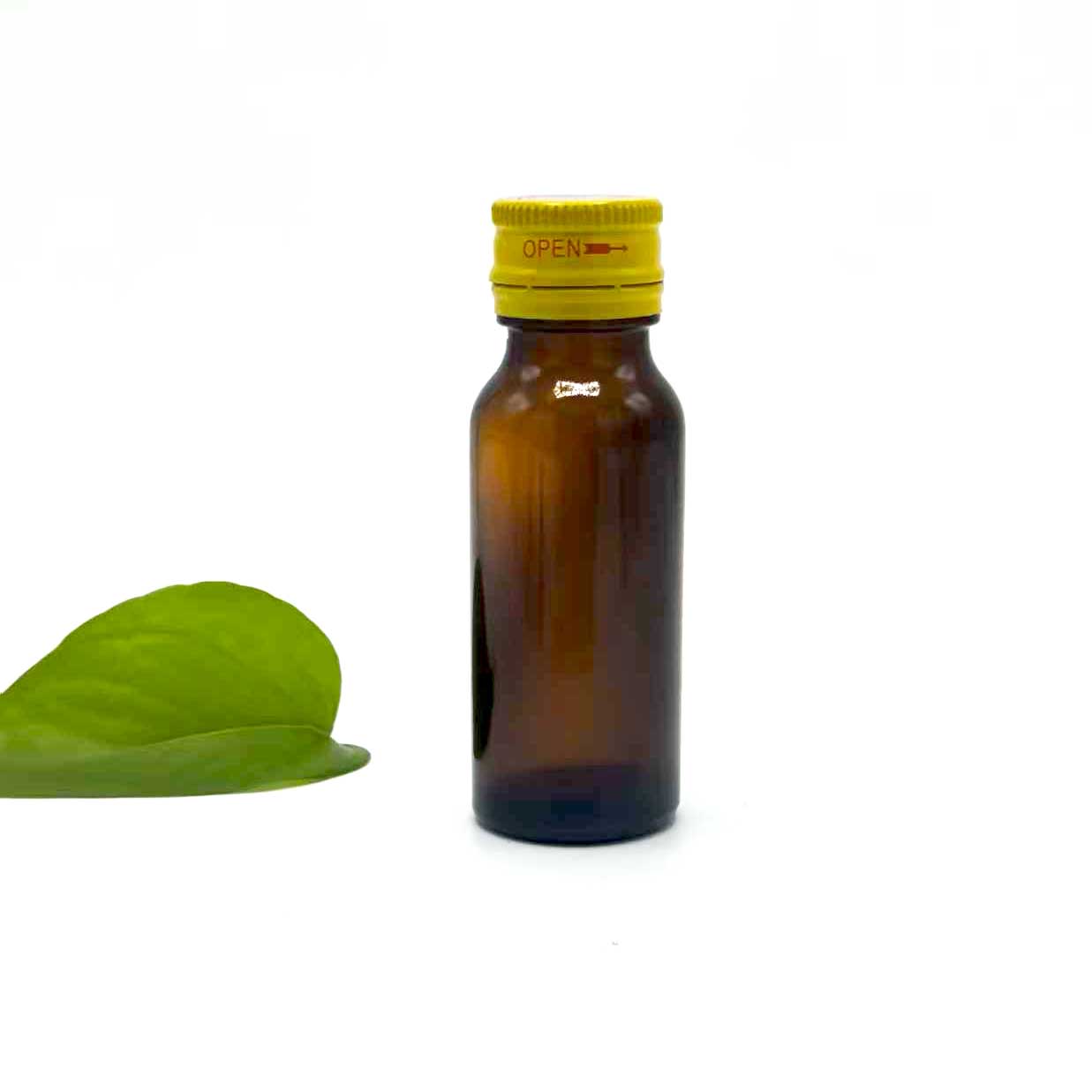
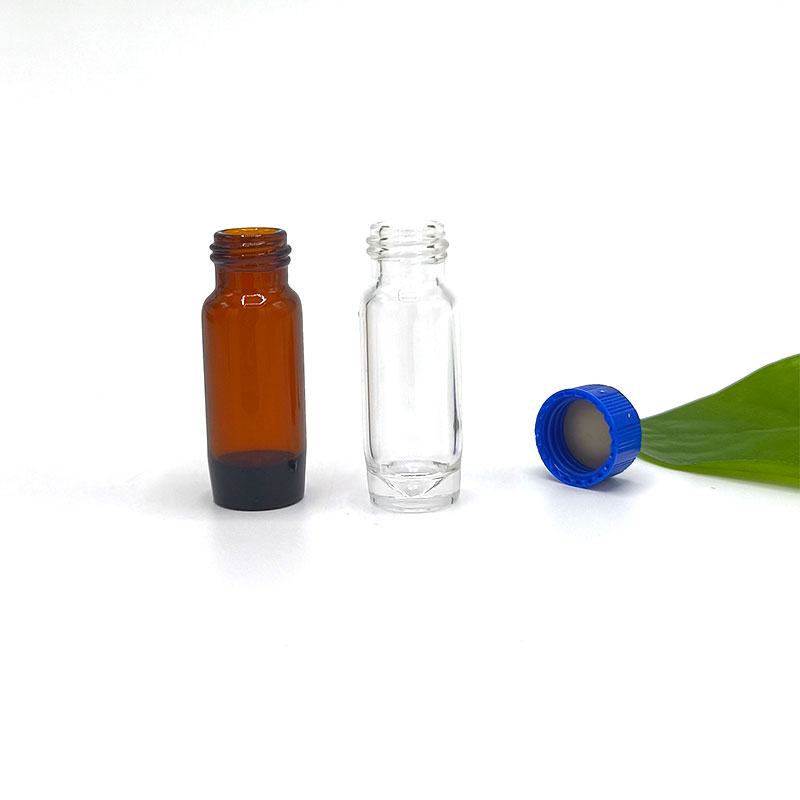
In the field of chemical storage, brown chemical glass bottles have become the core containers for photosensitive reagents, biochemical raw materials, and high-purity drugs due to their light avoidance and chemical stability. The selection of materials should take into account chemical inertness, environmental adaptability, and functional expansion requirements. From basic storage to extreme working conditions, material innovation continues to promote the evolution of chemical packaging towards safety.

Low borosilicate brown chemical glass bottles are a reliable choice for basic chemical scenarios. A formula containing 5% -8% boron trioxide makes it chemically inert enough to withstand most acidic and alkaline reagents, and has better heat resistance than ordinary soda lime glass. For example, the 5ml-500ml brown molded bottle produced by Lindu uses sodium calcium glass substrate and achieves 99% UV shielding by adding iron oxide and cobalt oxide. The threaded design of the bottle mouth with an inner diameter of 17mm and an outer diameter of 24mm is suitable for PP bottle caps and can withstand high temperature sterilization at 135 ℃. It is widely used for short-term storage of vitamin drug raw materials.

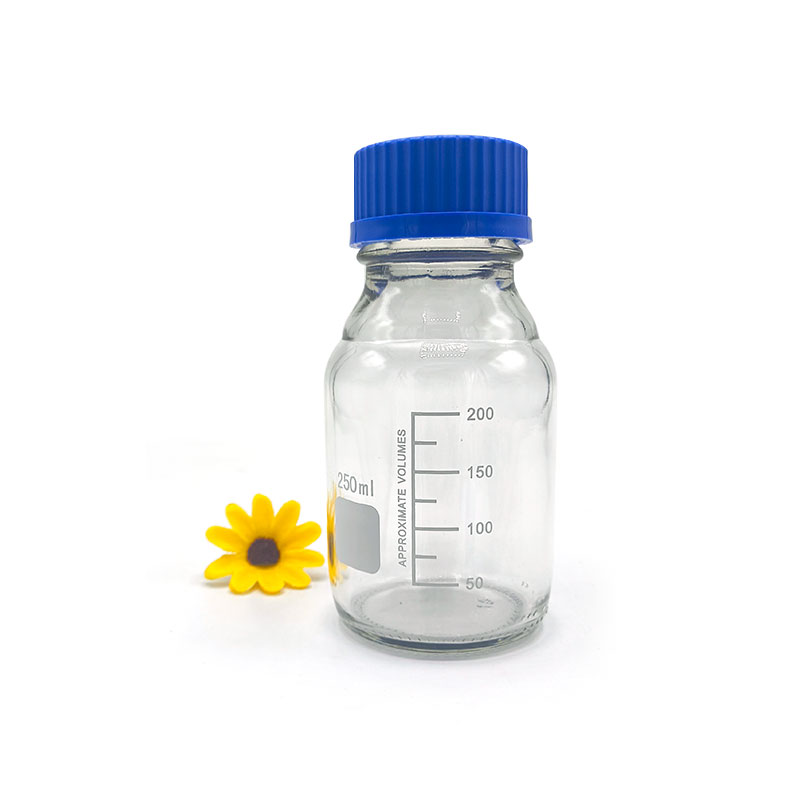
High borosilicate glass is optimized for strong oxidizing agents and high-temperature scenarios. The boron content is increased to 12% -15%, the heat shock resistance range is expanded to -190 ℃ to 500 ℃, and the metal element leaching rate is reduced by 80%. Taking the GL45 standard screw bottle as an example, the 3.3 high borosilicate material has passed USP/EP certification and has a spectral transmittance of less than 10% in the 290nm-450nm wavelength range. When combined with PTFE bottle caps and silicone composite gaskets, it can withstand high temperatures of 140 ℃ and has a sealing performance of IP68, making it the preferred choice for storing radioactive reagents in the nuclear industry.

The demand for special scenarios has spurred the diversified development of materials. Quartz glass, with its zero metal impurity leaching characteristics, is used for the storage of trace metal analysis reagents; Silanized glass bottles are chemically modified to reduce surface adsorption and meet ppb level detection requirements; Coated glass bottles use physical coatings to enhance corrosion resistance and extend the storage period of strong corrosive reagents such as hydrofluoric acid. For example, a 2000ml brown blue cap bottle with an external amber coating that complies with the ISO4796-1 standard, a batch traceability system and pouring ring design that balances laboratory safety and operational efficiency.

From basic soda lime glass to high-purity quartz material, the material selection of brown chemical glass bottles always revolves around the three core values of "chemical stability, environmental adaptability, and functional scalability".


Related News
Leave me a message
X
We use cookies to offer you a better browsing experience, analyze site traffic and personalize content. By using this site, you agree to our use of cookies. Privacy Policy
RejectAccept