News

Who guards the starting point of experiments? Step into the hidden world of the laboratory's most silent cornerstone—the reagent bottle.

2025-12-26 0 Leave me a message

In laboratories gleaming with reason's light, attention focuses on instruments, formulas, or achievements. One item always stands quietly on racks, hoods, and benches. Humble in form, yet bearing science's raw weight—these are reagent bottles.These seemingly simple containers are far from being indistinguishable products of an industrial assembly line; rather, they are a microscopic history of civilization, embodying materials science, chemical engineering, and the philosophy of safety. They are the most basic tools, and also the highest form of scientific commitment—the eternal safeguarding of purity, stability, and reproducibility.

Chapter 1: The Dawn of Civilization—An Epic of Containers Accompanying the Evolution of Chemical History


The origins of reagent bottles connect to humanity's desire to explore the material world. Their earliest forms were ancient alchemists' and pharmacists' earthenware jars, parchment bags, and crude glass containers. The true leap forward started in chemistry's golden age, spanning the late 19th and early 20th centuries. With the explosive development of disciplines such as organic synthesis and physical chemistry, unprecedentedly stringent requirements were placed on reagent storage: the ability to withstand drastic temperature fluctuations, resist the corrosive effects of strong acids and alkalis, and maintain the absolute purity of the contents for extended periods.

The invention of borosilicate glass (known as "Pyrex") by Corning Incorporated in 1915 was a milestone. This new material had a low thermal expansion coefficient. It was highly chemically inert. It had excellent mechanical strength. It was almost tailor-made for the modern laboratory. It enabled scientists to safely store, heat, and even react with reagents, completely liberating the boundaries of experimentation. From then on, reagent bottles evolved from passive "containers" to active "enablers" participating in the scientific process. Every fine-tuning of the material formulation (such as aluminum content and borosilicate ratio) and every innovation in the molding process (such as mold precision and annealing process) quietly promotes the reliability of downstream scientific research and the possibility of cutting-edge exploration.

Chapter Two: The Genealogy of Forms—A Design Kingdom Based on Functionalism


Modern reagent bottles have evolved into a highly specialized family of "living things," each form, color, and detail representing an evolutionary solution to a specific scientific challenge. This is a design paradigm where form absolutely serves function.

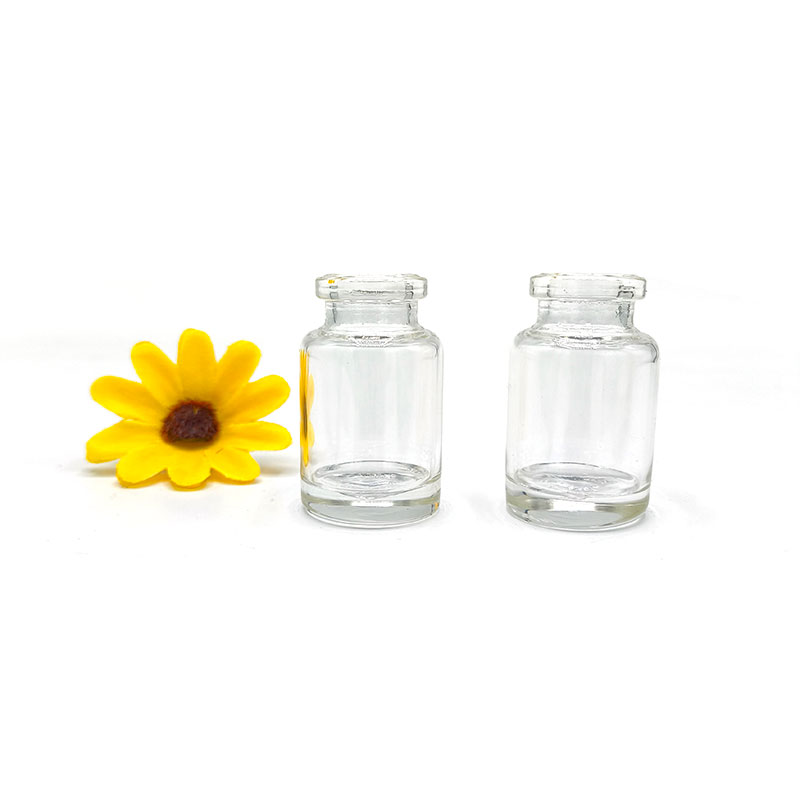
The binary world of materials: Borosilicate glass (mainly types 3.3 and 5.0) forms the core of high-end applications. Its excellent thermal shock resistance and chemical stability make it the ideal choice for storing standard solutions, highly corrosive reagents, and for high-temperature processing. Meanwhile, plastic materials such as high-density polyethylene (HDPE) and polypropylene (PP), with their lightweight, drop-resistant, and shatter-resistant properties, have taken over the field of storing large quantities of inorganic salt solutions, common acids and alkalis, and everyday reagents that require frequent handling.

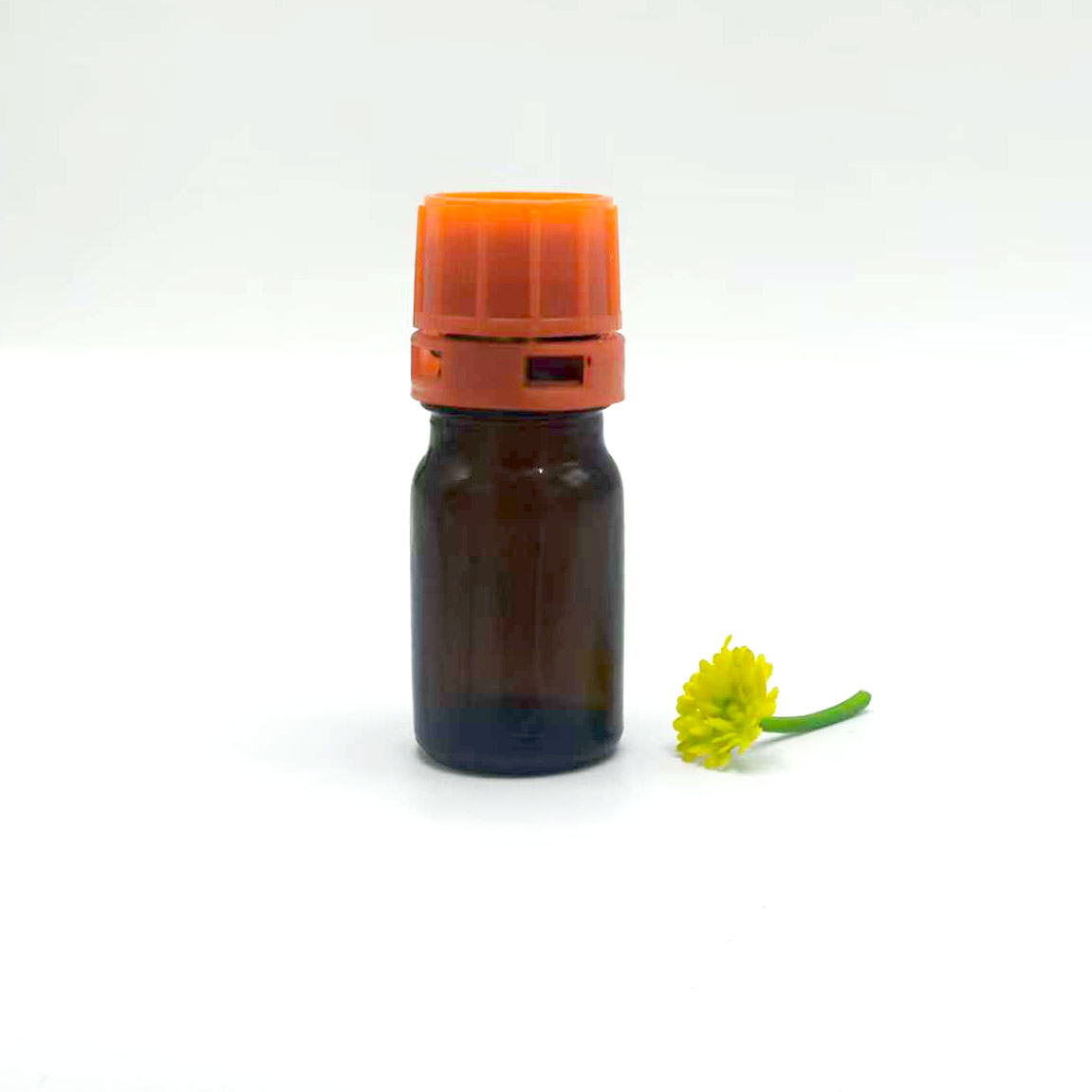
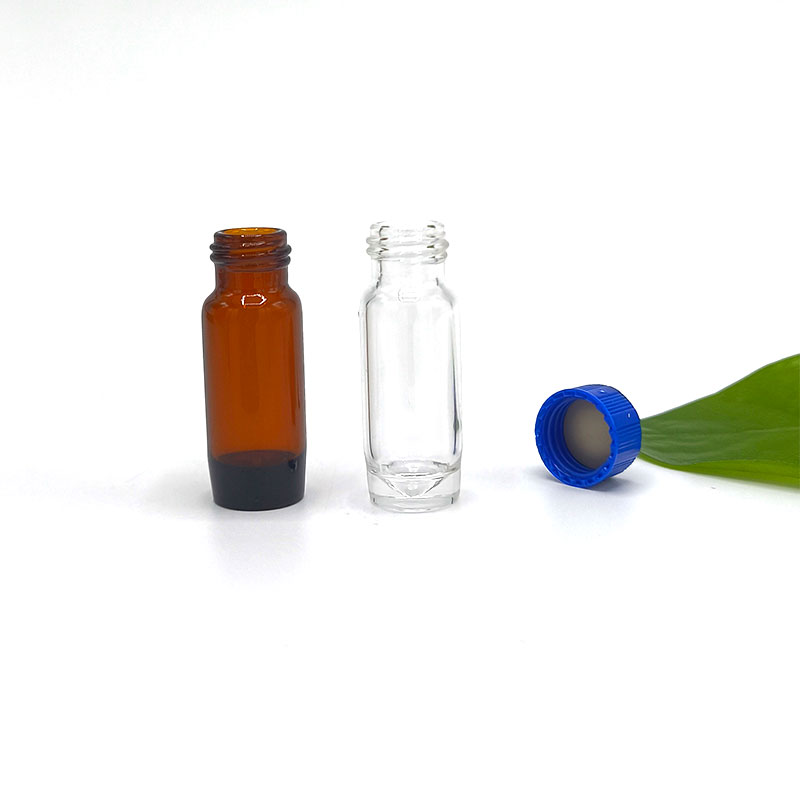
The Silent Language of Color: Transparency is a universal window for observation. Amber (brown), however, serves as a crucial "optical barrier." It blocks light wavelengths from 190nm to 450nm. This provides a haven for silver nitrate, vitamins, and photosensitive substances. It prevents their photodegradation and denaturation. This is the first defense for accurate experimental data.

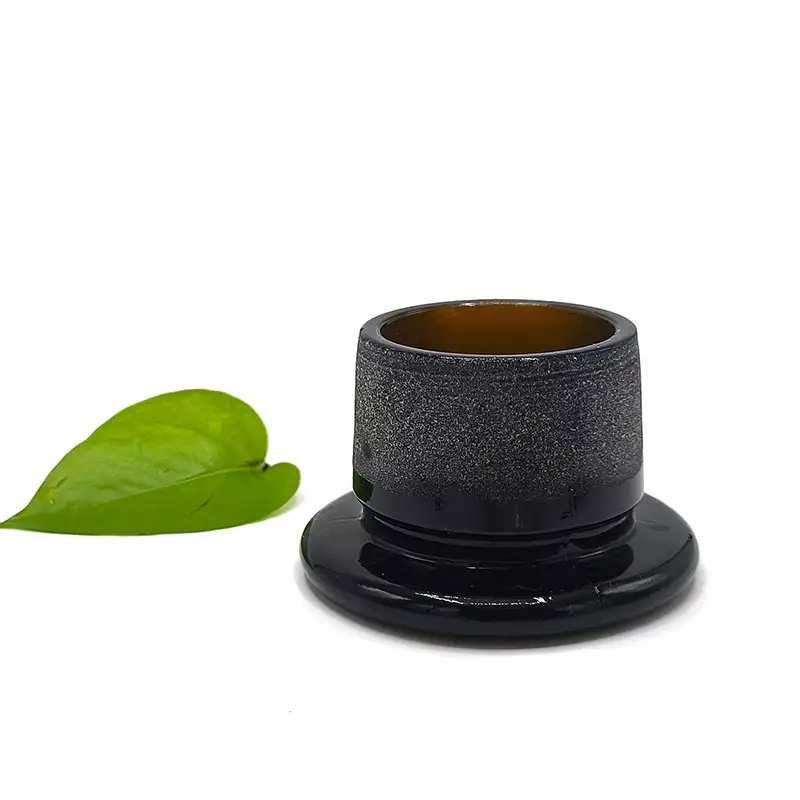
The geometric philosophy behind the bottle opening: The wide-mouth design is a friendly invitation to solid reagents (powders, granules, crystals), facilitating sampling with a spatula. The narrow-mouth design, on the other hand, is tailor-made for liquids, aiming to control flow rate, reduce evaporation, and improve pouring accuracy. Meanwhile, the threaded, frosted, and bayonet-type sealing systems create a hierarchical defense network ranging from convenient to absolutely airtight.

Human-centered design details: raised label areas ensure clear markings even after repeated rubbing and washing; leak-proof "eagle beak" or groove design guides liquid back to the stop when pouring, keeping the work surface clean; the heavy-duty bottle base with anti-slip texture provides a stable center of gravity and a reliable grip. These details all reflect a profound understanding of the user's experience and safety.

Chapter 3: The Cornerstone of Order—The Core Pillar of Modern Laboratory Management Systems

In today's laboratories that adhere to GLP (Good Laboratory Practice), ISO standards, and even stricter regulations, reagent bottles have become deeply integrated into the capillaries of quality management. They are not merely containers, but also information carriers, safety nodes, and a crucial link in the traceability chain.


1. The origin of information management:

Reagent bottle labels must be clear. They must be durable. They must be standardized. These labels are laboratory safety's lifeline.Labels must include: the full name of the reagent, molecular formula/concentration, preparation/opening date, storage conditions, hazard symbols (such as GHS pictograms), and the responsible person. This information set seems simple. It is the foundation for preventing misuse. It ensures data integrity. It aids in responding to safety audits.

2. Complex decision-making involving systematic choices:

Choosing the right bottle for a specific reagent is a rigorous technical decision. The table below outlines this multi-dimensional decision-making process:


Decision dimensions Core considerations and scientific basis Typical application scenarios
Chemical compatibility The highest principle is to consult a chemical compatibility table to ensure that the bottle material (glass or plastic polymer) does not dissolve, swell, permeate, catalyze, or exchange ions with the reagent. Hydrofluoric acid must be stored in polyethylene bottles because it severely corrodes glass. High-concentration alkaline solutions should be stored in dedicated plastic bottles for long-term preservation to prevent the leaching of silicates from the glass.
Light stability requirements an amber-colored glass bottle that can effectively block specific wavelengths . Riboflavin (vitamin B2), silver nitrate standard solution, and certain antibiotic stock solutions used in biochemical experiments.
Physical environment requirements Thermal stress : High-temperature sterilization, drying, or water bath heating necessitates the use of high borosilicate glass. Sealing : For volatile (e.g., ether, acetone), hygroscopic (e.g., calcium chloride, P2O5), or reagents requiring inert gas protection, threaded caps or vacuum-sealed caps with PTFE/silicone inner gaskets are required. Sterilization and storage of PBS buffer for cell culture; high-purity solvents for gas chromatography; sensitive reagents in anhydrous and oxygen-free operations.
Safety and regulations It must comply with the laboratory safety manual and national regulations for the management of hazardous chemicals. Corrosive and toxic reagents must be placed in leak-proof trays; flammable reagents must be placed in dedicated safety cabinets, and the antistatic properties of the bottles must be considered. The selection of containers and the storage environment for hazardous materials such as concentrated hydrochloric acid and benzene are key areas of focus in safety audits.
Specifications and operating efficiency Follow the principle of "suitable is best". Use smaller vials for frequently used reagents to reduce contamination upon opening; use larger vials for large stock solutions, but consider ease of access and the risk of expiration. Automated platforms require standardized sample vials of specific sizes. 2 mL standard screw-top sample vials for use with high performance liquid chromatography (HPLC) autosamplers; indicator dropper vials used daily in titration analysis.

3. A New Chapter in Sustainability:

Modern laboratories are increasingly emphasizing green chemistry principles. High-quality reagent bottles, due to their durability and ability to be repeatedly washed and sterilized at high temperatures, are crucial for reducing single-use plastic consumption. Establishing scientific processes for bottle recycling, sorting, and reuse has become part of advanced laboratory management culture.

Chapter Four: Conclusion – The Greatness of Silence

When we marvel at the wisdom of top-tier papers and the world-changing technologies, we should not forget that the starting point of all this often lies in the clear or mysterious liquid in a reagent bottle. The reagent bottle, the most humble vessel in the temple of science, with its near-eternal chemical silence, weathered physical resilience, and ingeniously designed human element, forms the foundational structure of the scientific edifice. It safeguards the "authenticity" of every reagent, and thus the "truth" of every exploration. It is not merely a container for science; it is itself a material symbol of the scientific spirit—within its small space, it embodies the relentless pursuit of precision, order, and truth. In future smart laboratories, they may be embedded with RFID chips, interacting with information systems in real time, but their core mission will remain eternal: as silent cornerstones, eternal arks, carrying humanity's unceasing quest for the unknown.

、
Related News
Leave me a message
X
We use cookies to offer you a better browsing experience, analyze site traffic and personalize content. By using this site, you agree to our use of cookies. Privacy Policy
RejectAccept