News

Why Do Color-Coded Reagent Bottle Caps Improve Lab Organization and Safety?

2026-01-07 0 Leave me a message

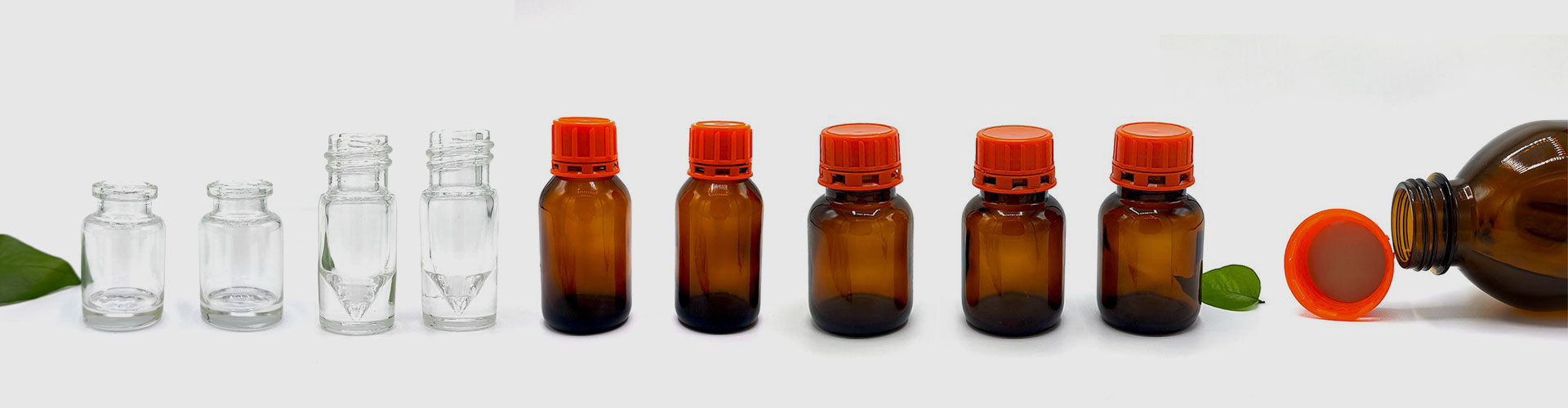
Maintaining a safe and efficient laboratory environment requires attention to detail and reliable equipment. At Cangzhou Kangbo Pharmaceutical Packaging Co., LTD., we understand the importance of Reagent Bottle Accessories in optimizing lab operations. One critical innovation that has transformed laboratory management is the implementation of color-coded reagent bottle caps. Our factory specializes in producing high-quality caps designed to enhance both organization and safety. This article will explore how these accessories improve lab workflows, ensure accurate handling of chemicals, and contribute to long-term safety standards.


products


Table of Contents


What Are Color-Coded Reagent Bottle Caps and How Do They Work?

Color-coded reagent bottle caps are specialized closures designed for laboratory reagent bottles, serving as a critical tool in modern laboratory management. At Cangzhou Kangbo Pharmaceutical Packaging Co., LTD., we specialize in producing high-quality Reagent Bottle Accessories that combine durability, chemical resistance, and user-friendly design. These caps are not merely decorative; they play a pivotal role in creating a systematic, safe, and highly efficient laboratory environment. By using distinct colors to categorize chemicals, our caps enable lab personnel to immediately recognize chemical types and hazard levels, dramatically reducing the risk of cross-contamination, incorrect chemical handling, and accidental exposure.


In our factory, we prioritize manufacturing caps that meet rigorous safety and quality standards. Each cap is engineered to withstand the demanding conditions of laboratory use, including exposure to corrosive chemicals, temperature variations, and repeated sterilization processes. The visual distinction provided by color-coding enhances workflow efficiency, helps maintain precise chemical management, and supports adherence to stringent safety protocols.


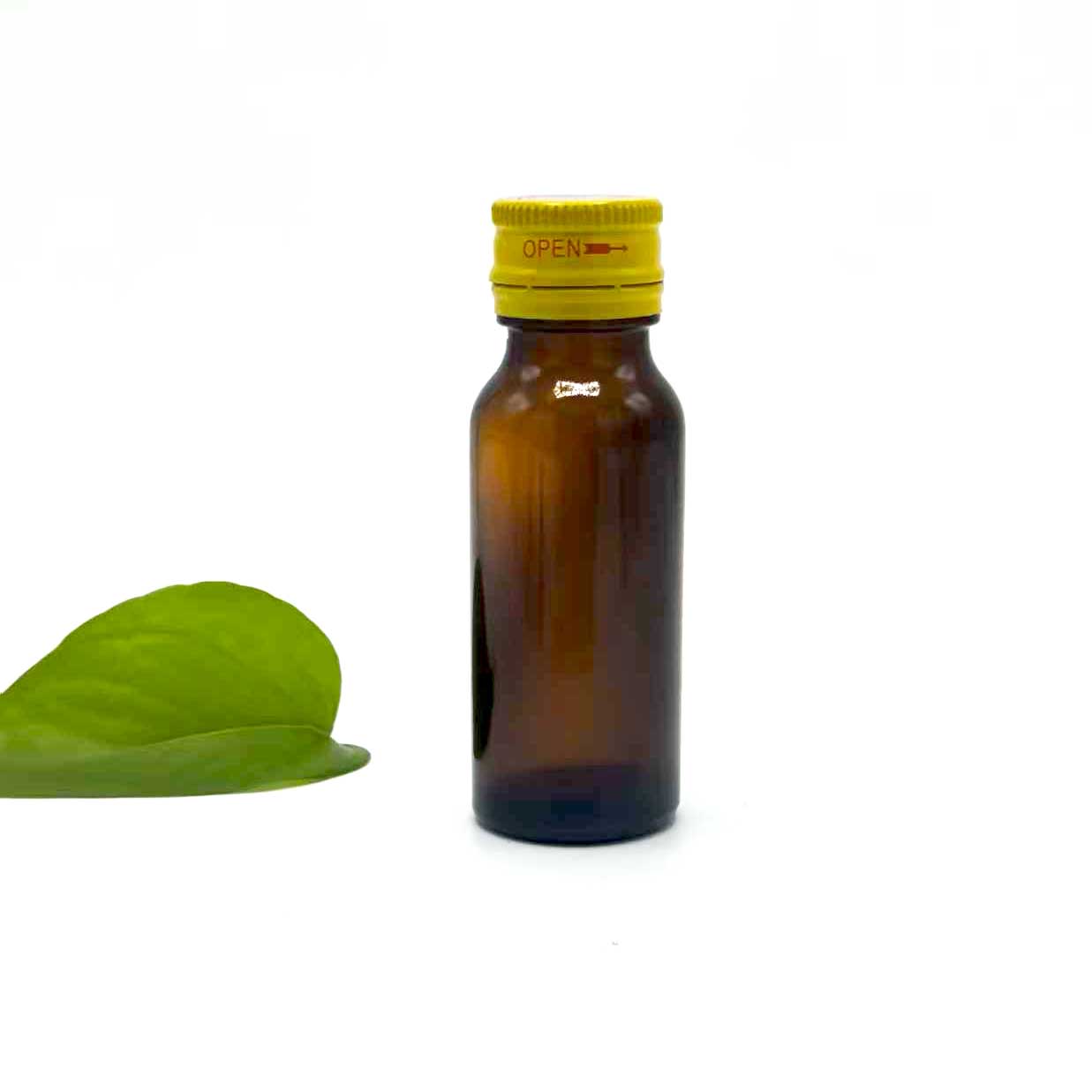
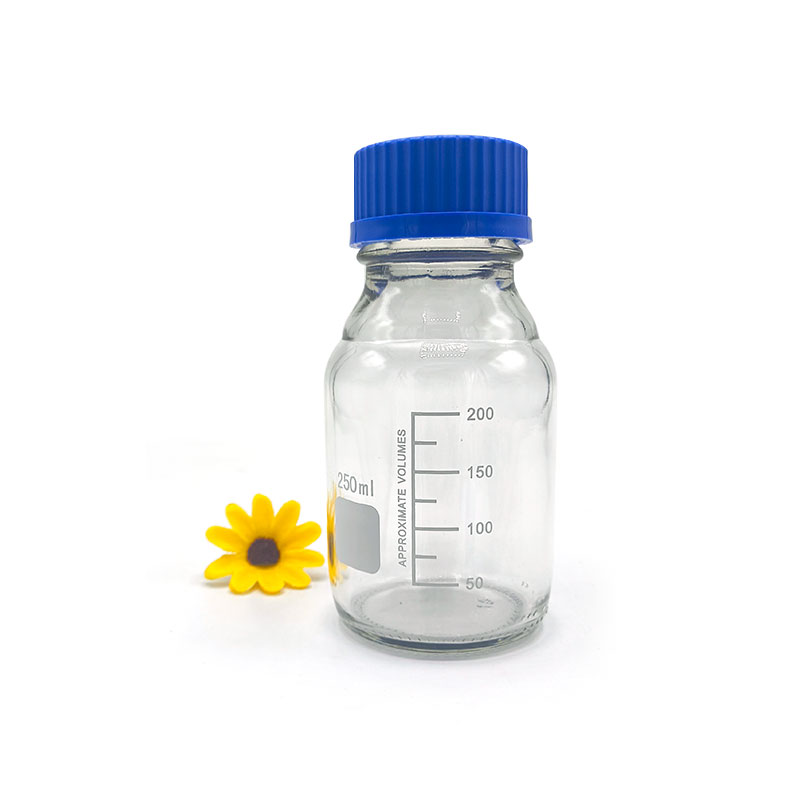
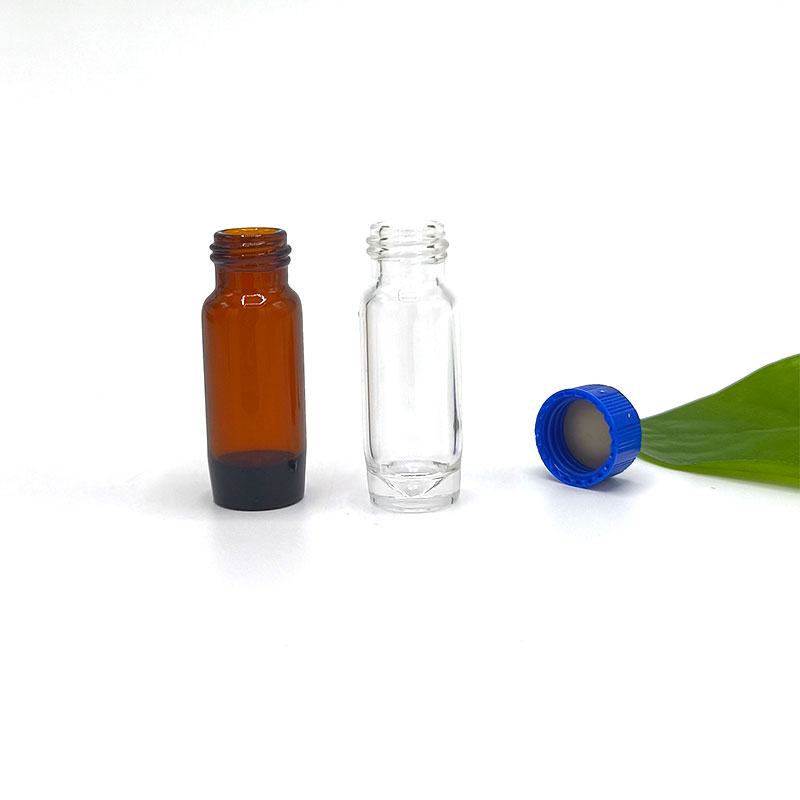
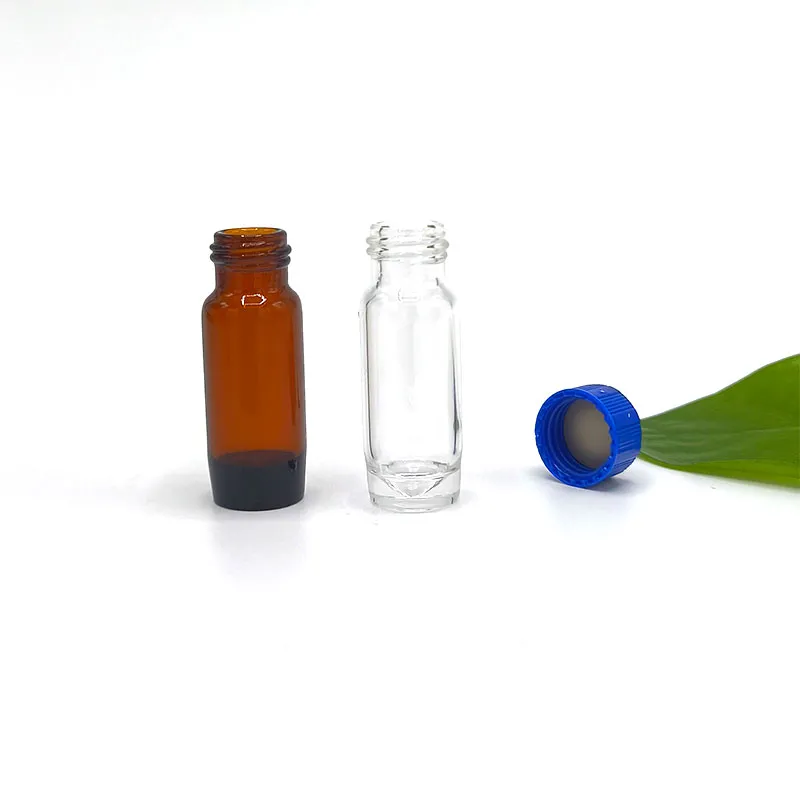
Screw Cap Of Reagent Bottle


Key Features of Our Color-Coded Caps

  • Durable Materials: Made from high-density polyethylene (HDPE) or polypropylene (PP), our caps are resistant to acids, bases, and a wide range of solvents commonly used in laboratories.
  • Multiple Color Options: We offer a comprehensive palette including red, blue, green, yellow, and white, allowing laboratories to assign specific colors to chemical classes or hazard levels.
  • Ergonomic Design: The caps are designed for comfortable handling, ensuring secure sealing and easy removal. This feature minimizes the risk of spills, contamination, and accidental exposure to hazardous substances.
  • Compatibility: Our caps are manufactured to fit standard reagent bottle sizes such as 28mm, 32mm, and 38mm, making them universally applicable across various laboratory setups.
  • Reusable and Autoclavable: These caps are capable of withstanding repeated sterilization in autoclaves without compromising structural integrity or color consistency, ensuring long-term usability.
  • Leak-Proof Sealing: The design ensures that volatile or corrosive chemicals are securely contained, reducing the potential for chemical vapors to escape and pose a risk to lab personnel.
  • Ease of Training: The visual coding system simplifies chemical handling training for new staff, allowing them to quickly learn and adhere to safety procedures without the need to constantly read labels.


Product Specifications

At Cangzhou Kangbo Pharmaceutical Packaging Co., LTD., we carefully engineer our Reagent Bottle Accessories to meet the highest standards of laboratory performance. Below is a detailed overview of our product specifications, highlighting the materials, sizes, and chemical resistance capabilities:


Product Material Size Color Options Temperature Resistance Chemical Resistance
Reagent Bottle Cap PP/HDPE 28mm, 32mm, 38mm Red, Blue, Green, Yellow, White -20°C to 120°C Acids, Bases, Solvents
Reagent Bottle Cap with Liner PP/HDPE with PTFE liner 28mm, 32mm Red, Blue, Green, Yellow, White -20°C to 150°C Strong chemicals and solvents
Child-Resistant Cap PP with locking mechanism 28mm Red, Blue -10°C to 100°C Most laboratory reagents

How They Work

  • Visual Identification: Each color is assigned to a chemical class or hazard level, providing immediate recognition. For example, red may indicate flammable chemicals, blue for acids, and yellow for oxidizers. This visual cue system reduces the need to read detailed labels constantly, allowing for quicker and safer operations.
  • Standardized System: Laboratories can implement a consistent color-coding scheme across all storage and usage areas. This standardization ensures that every staff member can quickly and reliably identify chemicals regardless of their experience level or familiarity with the laboratory.
  • Seal Integrity: The caps are designed to create an airtight seal, preventing the escape of hazardous vapors and maintaining the integrity of sensitive reagents. This feature is critical for maintaining a safe working environment and preserving chemical efficacy over time.
  • Enhanced Efficiency: With clear visual differentiation, lab personnel can quickly locate the reagents they need, reducing time spent searching for specific chemicals. This efficiency is especially valuable in high-volume laboratories where rapid workflow is essential.
  • Training and Compliance: The intuitive color system simplifies the training process for new employees, helping them adhere to safety protocols and reducing the likelihood of human error. Additionally, it supports compliance with local and international laboratory safety regulations.
  • Long-Term Reliability: Our Reagent Bottle Accessories are designed to maintain their color and mechanical properties over extended periods of use, even under repeated chemical exposure or autoclaving, ensuring consistent performance in the long term.


By integrating color-coded reagent bottle caps into laboratory workflows, our factory helps create a safer, more organized, and highly efficient environment. These accessories are not only practical but also essential for minimizing risk and optimizing operational performance in scientific settings. Their robust design, coupled with a clear and consistent visual coding system, ensures that every laboratory can maintain high standards of safety and accuracy with ease.


Why Is Color-Coding Essential for Lab Safety?

Laboratory safety is a critical priority in any scientific environment, and the smallest mistakes can lead to significant hazards. Color-coding systems, particularly through the use of specialized reagent bottle caps, have emerged as an indispensable tool in maintaining high safety standards. At Cangzhou Kangbo Pharmaceutical Packaging Co., LTD., our Reagent Bottle Accessories are designed to optimize both safety and operational efficiency, providing laboratories with a reliable solution for chemical management.


Understanding why color-coding is essential requires a comprehensive look at the challenges laboratories face. Chemical mishandling, cross-contamination, accidental mixing of incompatible reagents, and exposure to toxic substances are common risks that can lead to accidents, injuries, or costly operational setbacks. Traditional labeling systems, relying solely on text or small printed labels, may be insufficient in fast-paced environments or for staff who are new or less familiar with specific chemicals. Our color-coded reagent bottle caps address these challenges by offering an intuitive, instantly recognizable visual system that enhances both safety and efficiency.

Immediate Visual Recognition and Risk Reduction

The primary advantage of color-coded caps lies in their ability to provide immediate visual recognition of chemical types and hazard levels. Each color can be designated for a specific chemical category—for instance, red for flammable substances, blue for acids, yellow for oxidizers, green for neutral reagents, and white for general chemicals. This standardized system ensures that personnel can instantly identify the contents of a bottle without needing to read small printed labels, which may be obscured, damaged, or overlooked.


By reducing reliance on text labels, our Reagent Bottle Accessories help prevent common laboratory mistakes. Personnel are less likely to accidentally mix incompatible chemicals or use hazardous substances incorrectly. For example, a researcher handling a red-coded cap will immediately recognize that it contains a flammable reagent and will follow appropriate handling procedures, such as keeping the substance away from heat sources and open flames. This instant recognition minimizes the likelihood of accidents, protecting both laboratory staff and the facility.

Standardization Across the Laboratory

Another critical safety advantage of color-coding is standardization. By implementing a consistent color scheme across all storage and usage areas, laboratories can ensure that every staff member interprets chemical hazards in the same way. Our factory produces Reagent Bottle Accessories that are compatible with common bottle sizes and widely used laboratory setups, enabling seamless integration of color-coding systems into daily operations.


Standardization also simplifies communication among team members. When multiple researchers share the same lab, color-coded caps allow them to quickly understand the chemical content of any bottle, reducing the risk of miscommunication or misinterpretation. For example, a new staff member joining the lab can immediately recognize that blue caps indicate acidic reagents, without requiring extensive training or consultation of safety manuals. This uniform understanding strengthens the laboratory’s overall safety culture and ensures consistent adherence to established protocols.

Prevention of Cross-Contamination and Chemical Mishandling

Cross-contamination is a significant concern in laboratories, particularly those handling sensitive reactions, biological materials, or hazardous chemicals. Color-coded caps act as a preventive measure by clearly differentiating between incompatible substances. Our Reagent Bottle Accessories are designed with tight-fitting seals that not only prevent leaks and spills but also maintain a clear distinction between chemical categories. When stored correctly, the color-coded system guides personnel to avoid mixing incompatible reagents, protecting both experimental results and laboratory safety.


Additionally, chemical mishandling is minimized through the color system. For instance, the visual cue provided by a yellow cap, indicating an oxidizer, immediately signals that the chemical should not come into contact with organic materials or flammable solvents. This intuitive guidance is essential in high-pressure lab environments where personnel may need to make quick decisions without compromising safety. By integrating color-coded caps into everyday workflows, our factory ensures that laboratories can prevent costly mistakes and maintain operational efficiency.


Regulatory Compliance and Safety Standards

Compliance with local and international safety regulations is a key concern for laboratories. Color-coded systems, implemented through our Reagent Bottle Accessories, support adherence to safety standards by providing a visual hazard identification system that complements traditional labeling methods. Regulatory bodies often require clear identification of chemical hazards to ensure proper storage, handling, and emergency response procedures. By standardizing color codes, laboratories can demonstrate compliance during inspections and audits, reinforcing the facility’s commitment to safety and professional practices.


Training and Staff Awareness

Training is a critical component of laboratory safety, and color-coding significantly enhances staff awareness. New employees or interns can quickly learn chemical classifications through color identification, reducing the learning curve associated with handling various reagents. Our factory provides caps in multiple colors, each corresponding to specific chemical types, allowing laboratories to implement a simple and effective training system. This visual approach not only increases efficiency but also strengthens the overall safety culture within the laboratory.


Efficiency and Time-Saving Advantages

While primarily a safety tool, color-coded caps also contribute to operational efficiency. Laboratory personnel can quickly locate the reagents they need based on color, reducing time spent searching for specific chemicals. In high-volume labs, this efficiency is invaluable, allowing researchers to focus on experimentation rather than inventory management. Our Reagent Bottle Accessories combine this operational advantage with safety, ensuring that workflow improvements do not compromise hazard mitigation.


Long-Term Benefits and Durability

Durability and long-term performance are essential for laboratory safety. Our color-coded reagent bottle caps are made from HDPE or PP, with some models including PTFE liners for enhanced chemical resistance. These materials maintain their structural integrity, color visibility, and sealing performance over extended periods, even under repeated autoclaving or exposure to aggressive chemicals. By providing reliable long-term performance, our Reagent Bottle Accessories ensure that color-coding remains effective throughout the lifecycle of laboratory operations.


Integration with Laboratory Organization Systems

Color-coded caps can be seamlessly integrated with existing laboratory organization systems, including shelving, storage racks, and inventory management tools. At Cangzhou Kangbo Pharmaceutical Packaging Co., LTD., our Reagent Bottle Accessories are designed for compatibility with standard bottle sizes and laboratory setups, allowing easy implementation without disrupting existing workflows. The combination of visual identification, organized storage, and clear labeling ensures that laboratories maintain high standards of safety, efficiency, and compliance.


In summary, color-coding is essential for laboratory safety because it provides immediate visual recognition, standardizes hazard identification, prevents cross-contamination and chemical mishandling, supports regulatory compliance, enhances training, improves workflow efficiency, and ensures long-term reliability. By integrating color-coded reagent bottle caps from our factory into laboratory operations, facilities can achieve a safer, more organized, and highly efficient environment, ultimately protecting personnel, experiments, and overall productivity.


How Can Labs Implement Color-Coded Caps Effectively?

Implementing a color-coded system in a laboratory is a critical step toward ensuring both safety and operational efficiency. Color-coded reagent bottle caps provide an intuitive, visual approach to chemical identification, helping laboratory personnel quickly recognize reagent types, hazard levels, and appropriate handling procedures. At Cangzhou Kangbo Pharmaceutical Packaging Co., LTD., our Reagent Bottle Accessories are designed to simplify the integration of such systems, allowing laboratories to adopt color-coding seamlessly while maintaining high standards of safety and organization. Successfully implementing a color-coded system requires careful planning, staff training, and adherence to standardized protocols, and our factory provides guidance to help laboratories achieve these goals.


Step 1: Define a Clear Color Scheme

The first step in implementing color-coded caps is defining a clear and consistent color scheme that aligns with the laboratory’s specific requirements and safety standards. Each color should correspond to a specific chemical type or hazard classification. For example:

  • Red: Flammable chemicals
  • Blue: Acids
  • Yellow: Oxidizers
  • Green: Neutral or non-reactive substances
  • White: General reagents or solvents


Our Reagent Bottle Accessories from Cangzhou Kangbo Pharmaceutical Packaging Co., LTD. are available in these and other colors, allowing laboratories to create a system tailored to their unique inventory and operational needs. It is essential that the color assignments remain consistent throughout the laboratory to avoid confusion. Each staff member should be able to recognize the meaning of a color immediately, regardless of which storage area or experiment they are working in.


Step 2: Label Storage Areas and Workstations

Once a color scheme is established, the next step is to label storage areas, shelving, and workstations according to the assigned colors. For example, flammable reagents with red caps should be stored in designated red-labeled shelves or cabinets. Acids with blue caps can be stored in blue-labeled areas, and so on. By integrating color-coded organization with physical storage systems, laboratories create a highly visual and intuitive environment. This approach reduces the risk of chemical mishandling and cross-contamination, ensuring that reagents are consistently stored in the correct locations.


Our Reagent Bottle Accessories are designed to maintain clear visibility of colors, even when bottles are densely arranged on shelves. The vibrant, durable caps remain distinguishable in both high-light and low-light laboratory conditions, helping personnel locate chemicals quickly and accurately. The combination of colored caps and organized storage ensures that chemicals are both easily accessible and safely segregated.


Step 3: Train Laboratory Personnel

Effective implementation relies heavily on staff understanding and adherence. Training should cover the color-coding system, the meaning of each color, and the correct handling and storage procedures associated with each chemical type. At Cangzhou Kangbo Pharmaceutical Packaging Co., LTD., we emphasize the importance of clear training protocols when using our Reagent Bottle Accessories. By providing hands-on training and visual demonstrations, new personnel can quickly learn the system, reducing the likelihood of errors and accidents.


In addition, refresher training sessions should be scheduled periodically to reinforce knowledge and update staff on any modifications to the color-coding system or chemical inventory. This approach ensures that all personnel remain aware of best practices and that the color-coded system continues to operate effectively.


Step 4: Implement Standard Operating Procedures

Color-coded caps should be integrated into a laboratory’s standard operating procedures (SOPs). SOPs should clearly define the rules for using, handling, and storing chemicals according to their assigned colors. Our Reagent Bottle Accessories are designed to fit seamlessly into these SOPs by providing a durable, standardized solution that meets chemical resistance requirements and maintains visual clarity over time.


Standardizing procedures includes specifying:

  • Which chemicals are assigned to each color category
  • How bottles should be capped and sealed
  • Storage locations and segregation rules
  • Inspection and auditing schedules to maintain compliance


By formalizing these rules, laboratories can ensure consistent adherence to the color-coding system, enhancing both safety and efficiency.


Step 5: Conduct Regular Audits and Quality Checks

To maintain the effectiveness of a color-coded system, laboratories should conduct regular audits and quality checks. These inspections verify that reagents are correctly capped, colors are accurately applied, and bottles are stored according to the established color-coded system. Our Reagent Bottle Accessories are designed for durability and longevity, allowing colors to remain vivid and legible over long periods, even with repeated handling and chemical exposure.


Audits also provide an opportunity to identify any gaps in the system, such as missing caps, mislabeled bottles, or staff unfamiliarity. Addressing these issues promptly ensures the system remains reliable and continues to minimize risk.


Step 6: Integrate with Inventory Management Systems

Color-coded caps can also enhance laboratory inventory management. By visually categorizing chemicals, laboratories can more easily monitor stock levels and anticipate replenishment needs. Our Reagent Bottle Accessories are compatible with standard bottle sizes, ensuring seamless integration with barcoding or digital inventory systems. When combined with electronic tracking, color-coded caps provide an additional layer of identification, helping laboratories maintain accurate records and avoid shortages or overstocking of critical reagents.


Step 7: Promote a Safety-First Culture

Finally, implementing color-coded caps is not only a procedural change but also a cultural one. Laboratories that adopt this system demonstrate a commitment to safety, organization, and operational excellence. Staff are encouraged to engage actively with the system, reporting issues, suggesting improvements, and ensuring that color-coded caps are used consistently. Our Reagent Bottle Accessories support this culture by offering high-quality, reliable tools that make adherence to safety standards both easy and practical.


In conclusion, effective implementation of color-coded caps in laboratories involves defining a clear color scheme, labeling storage areas, training personnel, integrating caps into SOPs, conducting regular audits, linking with inventory management systems, and fostering a safety-focused culture. At Cangzhou Kangbo Pharmaceutical Packaging Co., LTD., our Reagent Bottle Accessories are engineered to support these steps, providing durable, chemically resistant, and visually distinct caps that enhance laboratory safety, organization, and efficiency. By following these implementation strategies, laboratories can achieve a safer, more productive, and well-organized environment, ensuring that chemical handling is intuitive, reliable, and compliant with regulatory standards.


Summary

Color-coded reagent bottle caps are an essential tool for modern laboratories. By integrating these accessories, Cangzhou Kangbo Pharmaceutical Packaging Co., LTD. helps labs achieve enhanced safety, improved organization, and higher operational efficiency. Our factory specializes in manufacturing durable, reliable Reagent Bottle Accessories designed to meet stringent chemical resistance and ergonomic standards. Implementing a color-coded system ensures that laboratory personnel can quickly identify reagents, prevent errors, and maintain a safer working environment. Contact us today to learn more about our high-quality products and optimize your lab’s performance.


FAQ

Q1: How do color-coded reagent bottle caps reduce chemical mishandling?

A1: By assigning a specific color to each chemical type or hazard class, our Reagent Bottle Accessories provide instant visual cues. This reduces the chance of accidentally using the wrong chemical, improving safety and accuracy in laboratory operations.

Q2: Are your color-coded caps compatible with all reagent bottles?

A2: Our factory produces caps that fit standard reagent bottle sizes, including 28mm, 32mm, and 38mm. The materials are designed to ensure secure sealing while maintaining compatibility with most laboratory bottles.

Q3: Can the caps withstand autoclaving or chemical exposure?

A3: Yes, our Reagent Bottle Accessories are made from PP or HDPE, with some models including PTFE liners. They are autoclavable and resistant to acids, bases, and solvents, ensuring long-term performance in demanding lab environments.

Q4: How does a color-coded system improve workflow efficiency?

A4: By reducing the need to read labels repeatedly, lab personnel can quickly identify reagents. This saves time, minimizes errors, and allows for organized storage and streamlined inventory management.

Q5: What is the best way to implement a color-coded system in a lab?

A5: Define a clear color scheme based on chemical types, label storage areas accordingly, train staff on color meanings, regularly audit storage practices, and integrate our Reagent Bottle Accessories to maintain consistent organization and safety.


Related News
Leave me a message
X
We use cookies to offer you a better browsing experience, analyze site traffic and personalize content. By using this site, you agree to our use of cookies. Privacy Policy
RejectAccept