Products
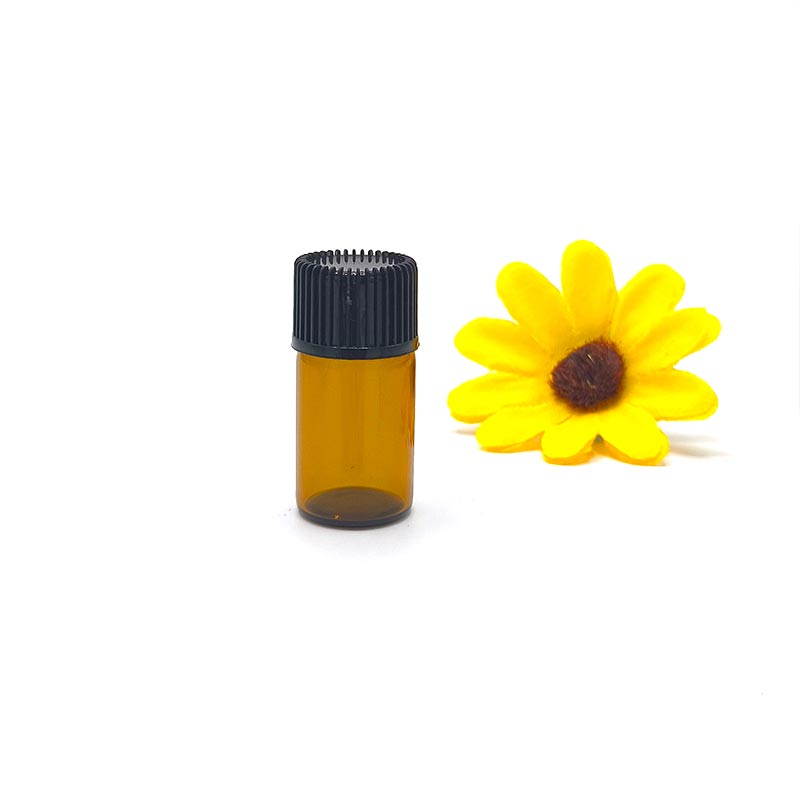
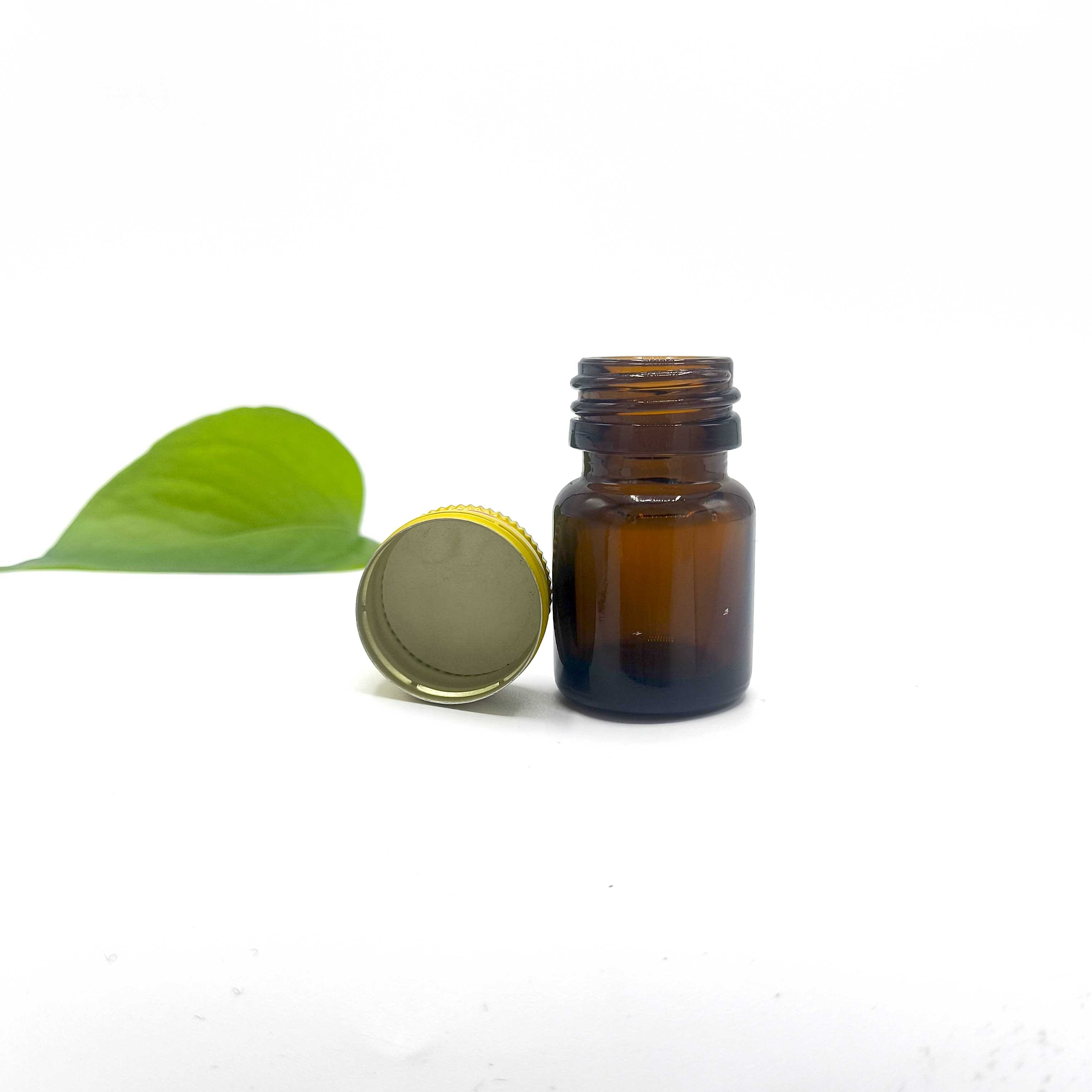
1ml Reagent Glass Bottle
  • 1ml Reagent Glass Bottle1ml Reagent Glass Bottle
  • 1ml Reagent Glass Bottle1ml Reagent Glass Bottle
  • 1ml Reagent Glass Bottle1ml Reagent Glass Bottle
  • 1ml Reagent Glass Bottle1ml Reagent Glass Bottle
  • 1ml Reagent Glass Bottle1ml Reagent Glass Bottle

1ml Reagent Glass Bottle

Kangbo is a reliable China supplier of laboratory reagent bottles. Our 1ml Reagent Glass Bottles are made of high-borosilicate glass,which can ensure excellent chemical and thermal resistance. The precision design safeguards sample purity and supports clear labeling. Custom solutions are available.

These bottles are commonly made of high borosilicate glass. This material is known for its excellent chemical stability. It also has a low thermal expansion coefficient and strong thermal shock resistance. It can resist most strong acids, alkalis, and organic solvents. This ensures the purity of stored samples. The material also withstands high-pressure steam sterilization at 121°C. This meets strict sterile operation requirements.

Structure and design features

Material: These bottles are made from high-borosilicate glass.This material offers exceptional chemical stability.It also features a low expansion coefficient and excellent thermal shock resistance.It can withstand most strong acids, bases, and organic solvents,which can ensure sample purity and prevents contamination.

Capacity: With a nominal capacity of 1 ml, it is designed specifically for trace, precious samples. Its small internal space minimizes reagent carryover and dead volume, which is crucial for expensive or difficult-to-extract samples (such as rare compounds, standards, enzymes, antibodies, and DNA/RNA samples).

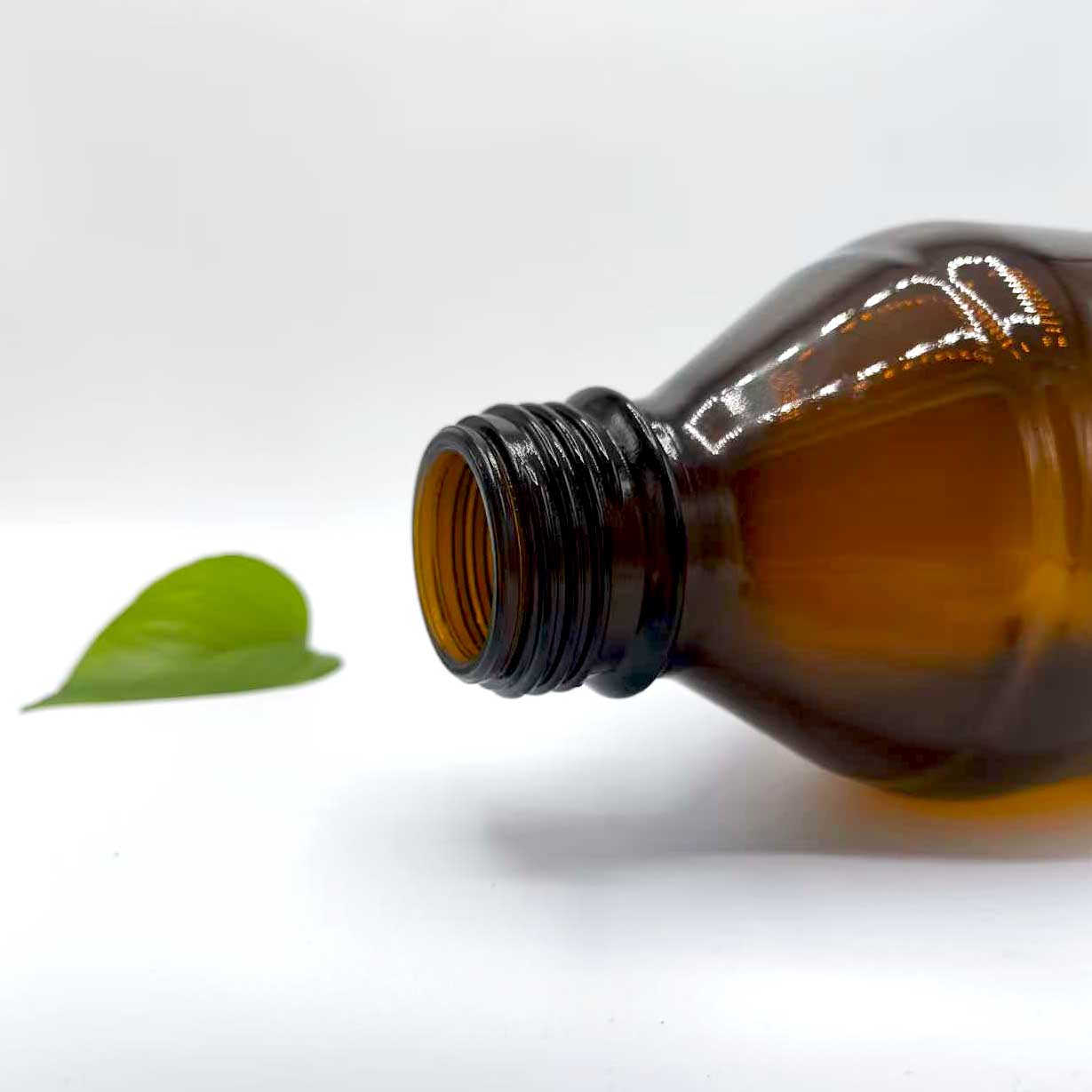
Bottle mouth design: The "small mouth" is its most notable feature. The smaller bottle mouth diameter has multiple advantages:

1. Reduce volatility and evaporation: The reagent glass bottle effectively reduce the surface area of the liquid, slow down the evaporation rate of volatile solvents (such as acetone, ethanol, ether, etc.), and prevent sample concentration or deterioration.
2. Enhanced sealing: We provide a more concentrated sealing surface for the bottle cap,which can make it easier to achieve airtight or liquid-tight sealing and it can prevent sample leakage and external contaminants from entering.

Bottle caps : There are many kinds of matching bottle caps, the most common ones are:

Lined screw cap: The bottle has threads on the outside and is used with a screw cap that contains a resilient gasket (such as PTFE/silicone membrane). This design provides an excellent seal, effectively isolating air and moisture, making it the preferred choice for long-term storage.
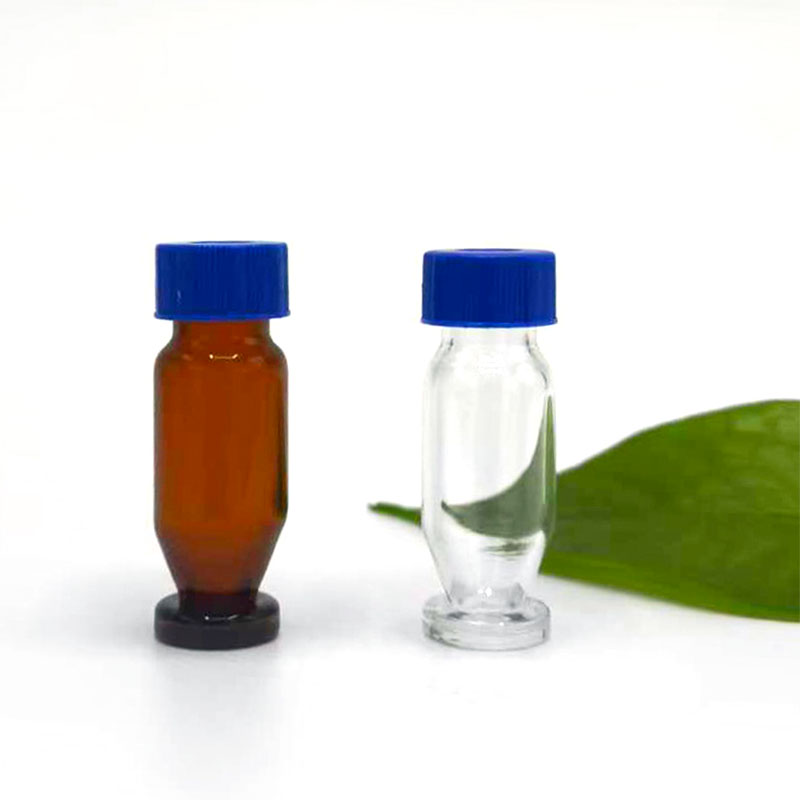
Appearance: The 1ml reagent glass bottle typically made of clear glass, which allows for direct observation of the color, state, and volume of the reagent within the bottle. Many products also offer brown or amber versions for storing light-sensitive reagents.

Main application areas

Because of its unique properties, 1mL reagent glass bottles have a wide range of applications:

1. Analytical Chemistry and Chromatography: These vials are standard equipment for analytical instruments such as high-performance liquid chromatography (HPLC), gas chromatography (GC), and mass spectrometry (MS). They are used to store standard solutions, test samples, and mobile phase additives. Their chemical inertness ensures the accuracy of analytical results.
2. Molecular Biology and Biochemistry: Used for storing valuable primers, probes, enzymes (such as Taq enzyme), restriction enzymes, antibodies, cytokines, and extracted trace nucleic acid (DNA/RNA) samples. Sterile versions are widely used in cell culture experiments.
3. Pharmaceuticals and drug development: In the drug discovery stage, it is used to store compound libraries, candidate drug molecules and their metabolites in high-throughput screening, and conduct activity testing and pharmacokinetic studies.
4. Clinical testing and diagnosis : used as temporary storage containers for trace amounts of clinical samples such as blood, serum, and urine, or for preparing calibrators and quality control products in diagnostic kits.
5. Flavor and fragrance and food industry: storage of expensive flavor, spice standards and food additive samples.

Selection and use precautions

To ensure the success and safety of the experiment, the following points should be noted when selecting and using:

Choose on demand: select transparent or brown bottles according to the properties of the stored samples (acidity, alkalinity, volatility, photosensitivity); select different types of bottle caps according to the storage time and sealing requirements.
Cleaning and Compatibility: Thoroughly clean the sample container before use, typically by soaking and rinsing with a chromic acid solution, an organic solvent, or a specialized laboratory cleaning agent. Finally, rinse with ultrapure water and dry. Ensure that the cleaning process is compatible with the sample being loaded.
Proper Sealing: When using a screw cap, tighten it moderately. Excessive force may cause the glass bottle mouth to crack or the gasket to deform, which will affect the seal. You can usually hear a "click" sound or feel a noticeable resistance when tightening.
Labeling: The 1ml reagent glass bottles often have frosted or matte areas to facilitate marking with a pencil or special marker.
Safe Operation: Glass is fragile. Handle with care and avoid collisions when handling and storing. If containing highly toxic or high-risk chemicals, place them in secondary containers and follow appropriate safety regulations.

Conclusion

In short, the 1mL reagent glass bottle is more than just a simple container. It is a perfect combination of scientific precision, materials engineering, and practical functionality. Within its miniscule size, it carries the ultimate pursuit of accuracy, stability, and reliability by researchers. As a cornerstone of basic laboratory consumables, it remains unsung yet crucial, safeguarding the precious value of every microliter in countless experiments and driving the continuous advancement of scientific discovery.

1ml Reagent Glass Bottle1ml Reagent Glass Bottle1ml Reagent Glass Bottle1ml Reagent Glass Bottle
Send Inquiry
Contact Info
  • Address

    30 meters north of the Second Hospital of Jiaohe Town, Botou City, Cangzhou City, Hebei Province, China

For inquiries about glass reagent Bottle, laboratory reagent bottle, reagent bottle gasket or price list, please leave your email to us and we will be in touch within 24 hours.
X
We use cookies to offer you a better browsing experience, analyze site traffic and personalize content. By using this site, you agree to our use of cookies. Privacy Policy
RejectAccept