News

How to Choose the Right Glass Reagent Bottle for Laboratory Use?

2025-11-10 0 Leave me a message

Table of Contents

  1. Introduction: What Makes Glass Reagent Bottles Vital for Laboratories

  2. Narrow Mouth Reagent Bottles: Features, Specifications, and Applications

  3. Wide Mouth Reagent Bottles: Features, Specifications, and Applications

  4. Frequently Asked Questions About Glass Reagent Bottles

Introduction: What Makes Glass Reagent Bottles Vital for Laboratories

Why are glass reagent bottles critical in laboratory environments? Glass reagent bottles are fundamental tools for safely storing, transporting, and handling various chemical reagents. Their chemical resistance, transparency, and durability ensure that experiments remain uncontaminated and precise. Unlike plastic containers, glass does not react with most chemical solutions, maintaining the stability and integrity of stored substances.

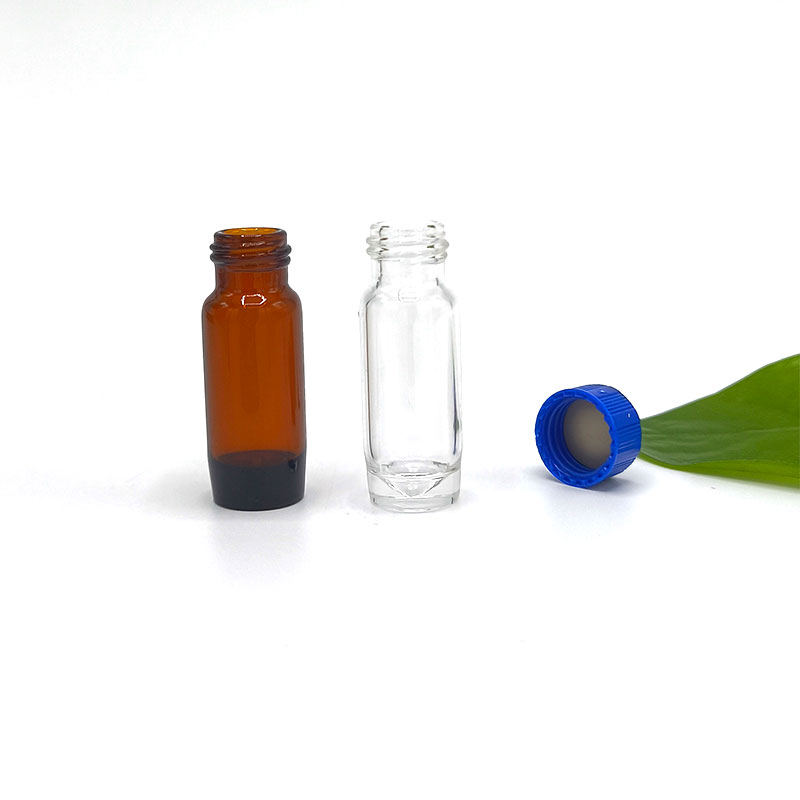
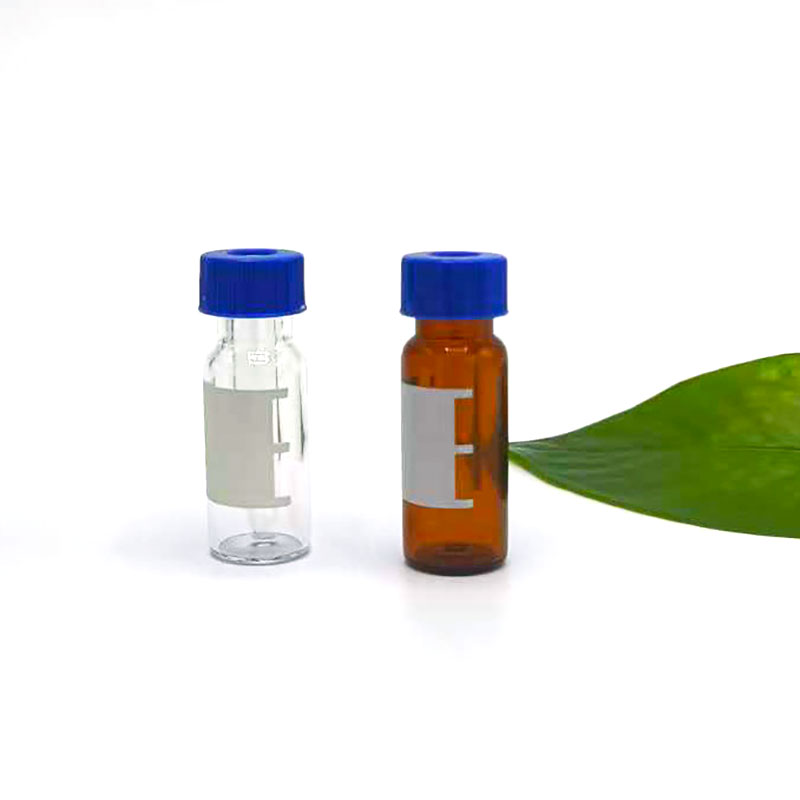
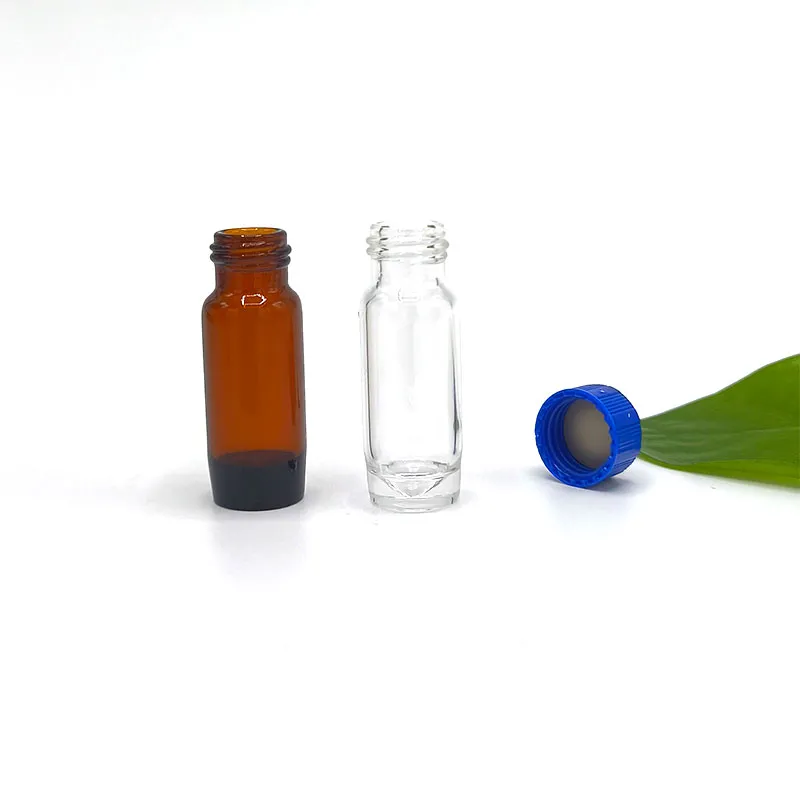
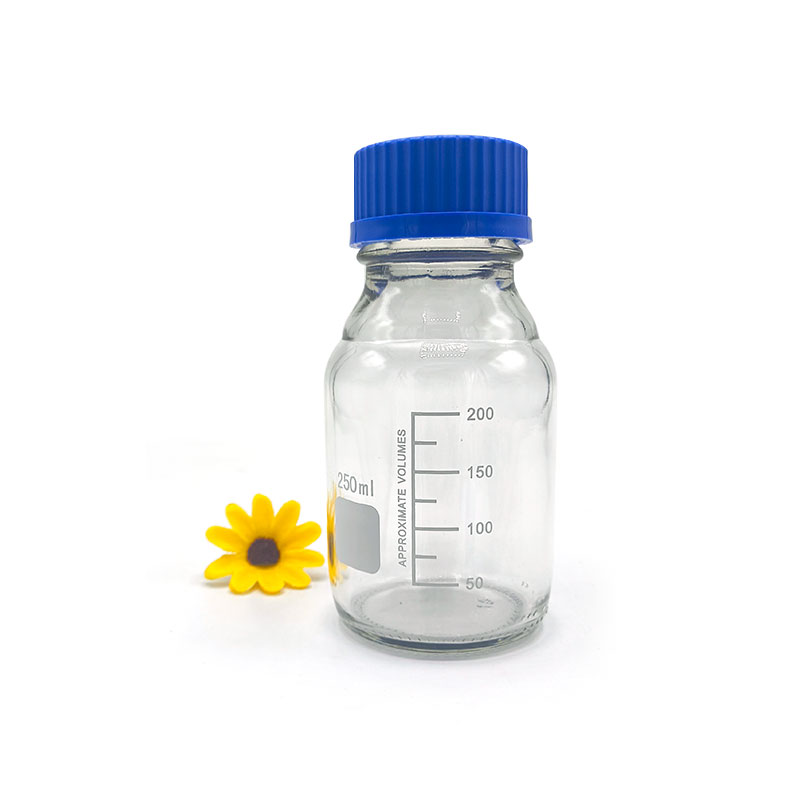
1ml Narrow Mouth Reagent Bottle

How do laboratories benefit from using specialized reagent bottles? The use of proper glass reagent bottles reduces the risk of contamination, prevents chemical degradation, and ensures accurate measurements. Selecting the right bottle type—narrow mouth or wide mouth—directly affects workflow efficiency, chemical handling safety, and storage compatibility.

What factors should be considered when selecting a glass reagent bottle? Important considerations include:

  • Volume capacity: Ensures sufficient storage for intended reagents.

  • Mouth design: Affects pouring, decanting, and cleaning.

  • Material quality: Determines chemical resistance and longevity.

  • Closure type: Ensures airtight and leak-proof storage.

These factors collectively influence laboratory safety and experimental accuracy.

Narrow Mouth Reagent Bottles: Features, Specifications, and Applications

What is a Narrow Mouth Reagent Bottle?

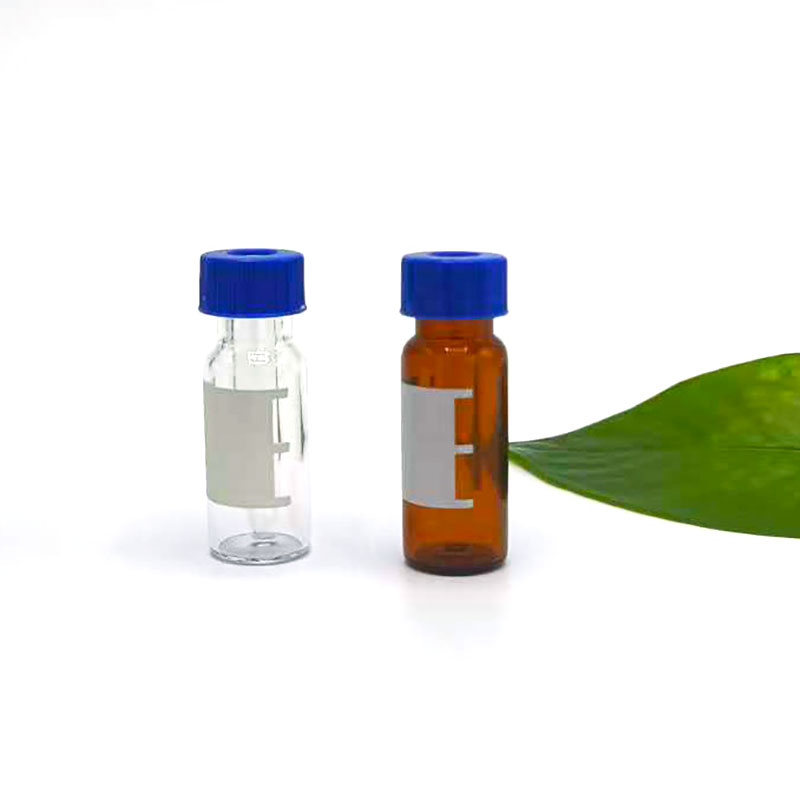
A narrow mouth reagent bottle features a smaller opening designed to minimize evaporation and reduce the risk of spills. These bottles are ideal for storing liquids that are sensitive to air or light exposure and require precise dispensing.

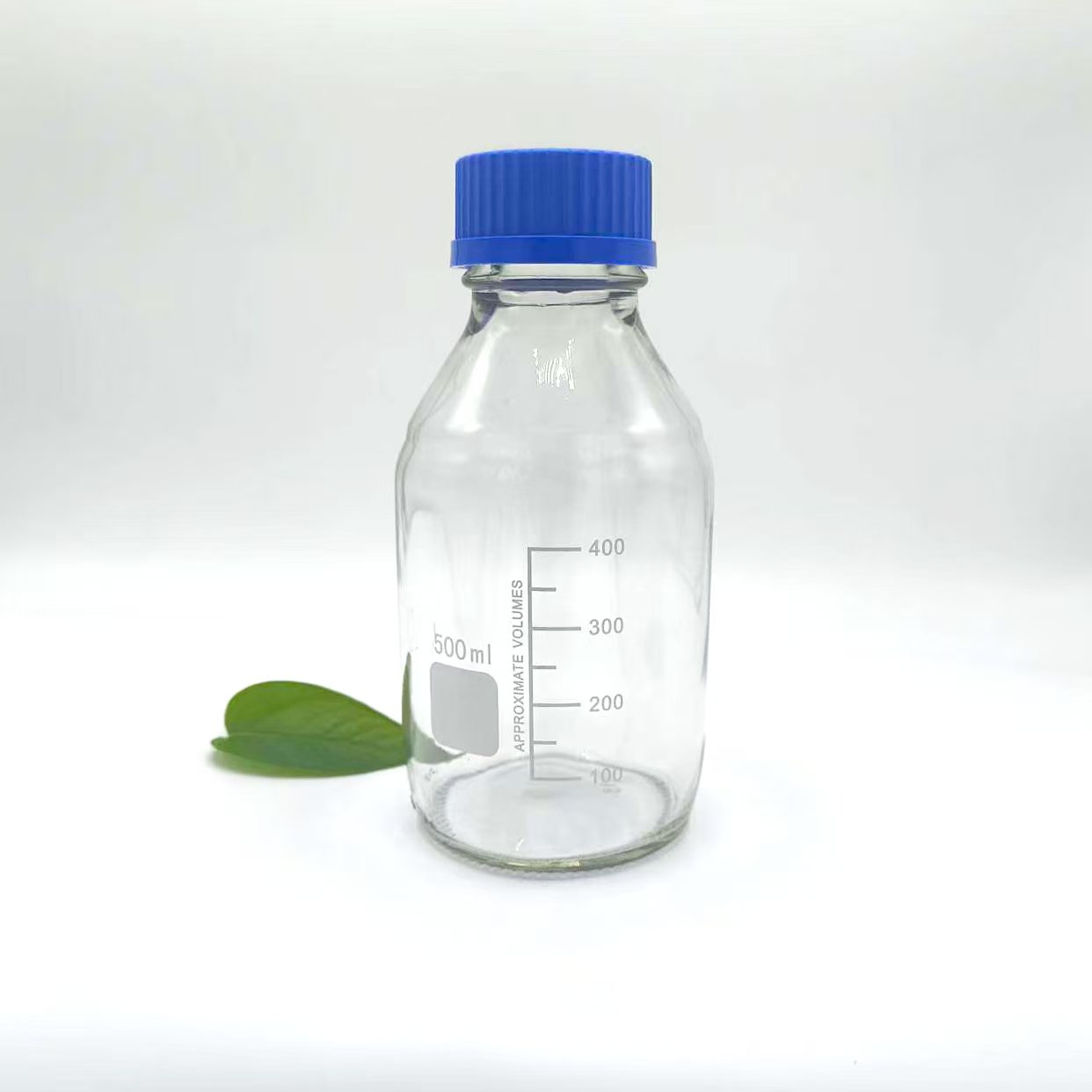
1ml Reagent Bottle

Why Choose Narrow Mouth Bottles?

Narrow mouth bottles are preferred for high-precision laboratories because they:

  • Reduce reagent exposure to air and moisture.

  • Facilitate controlled pouring and transfer of liquids.

  • Minimize contamination during handling.

Narrow Mouth Reagent Bottle Specifications

Parameter Specification
Material Borosilicate Glass (Type I)
Volume Range 50 mL – 2000 mL
Neck Diameter 18 mm – 45 mm
Closure Type Screw Cap, Glass Stopper
Chemical Resistance High (Acids, Bases, Organic Solvents)
Temperature Range -20°C to 150°C
Transparency Clear, with optional amber coating

How Are Narrow Mouth Bottles Used?

Narrow mouth reagent bottles are widely used for:

  • Storing volatile or sensitive reagents.

  • Preparing standard solutions in analytical laboratories.

  • Transporting chemical liquids between lab stations.

Their precise design enhances safety while ensuring minimal chemical loss during use.

Wide Mouth Reagent Bottles: Features, Specifications, and Applications

What is a Wide Mouth Reagent Bottle?

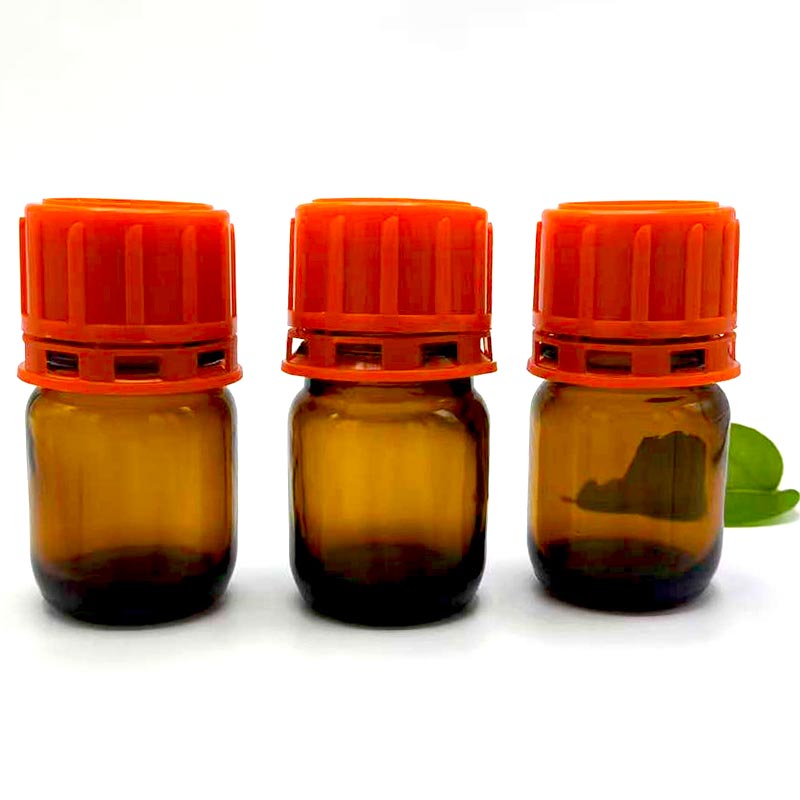
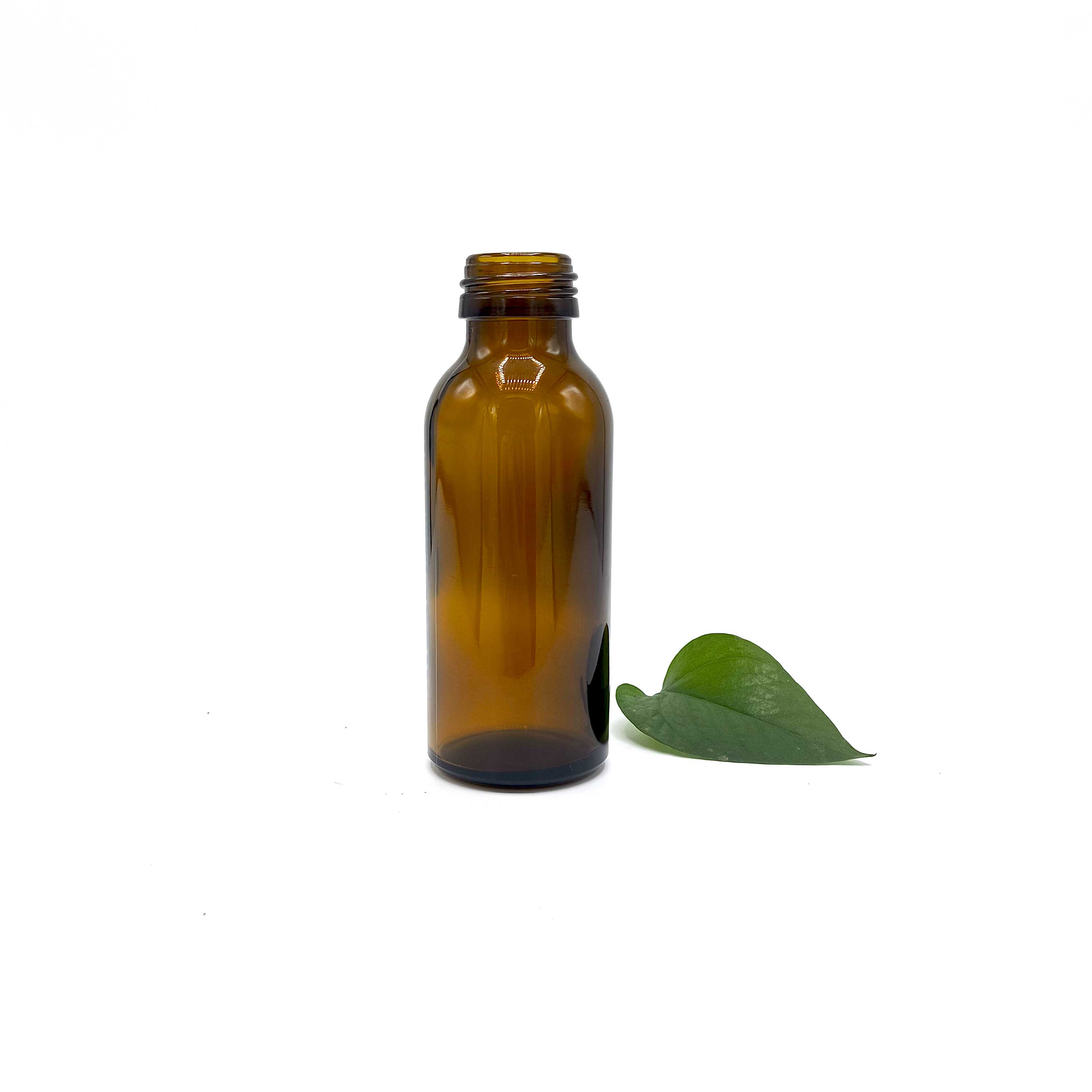
A wide mouth reagent bottle has a larger opening, making it easier to fill, pour, and clean. These bottles are often used for powders, viscous liquids, or materials requiring frequent access.

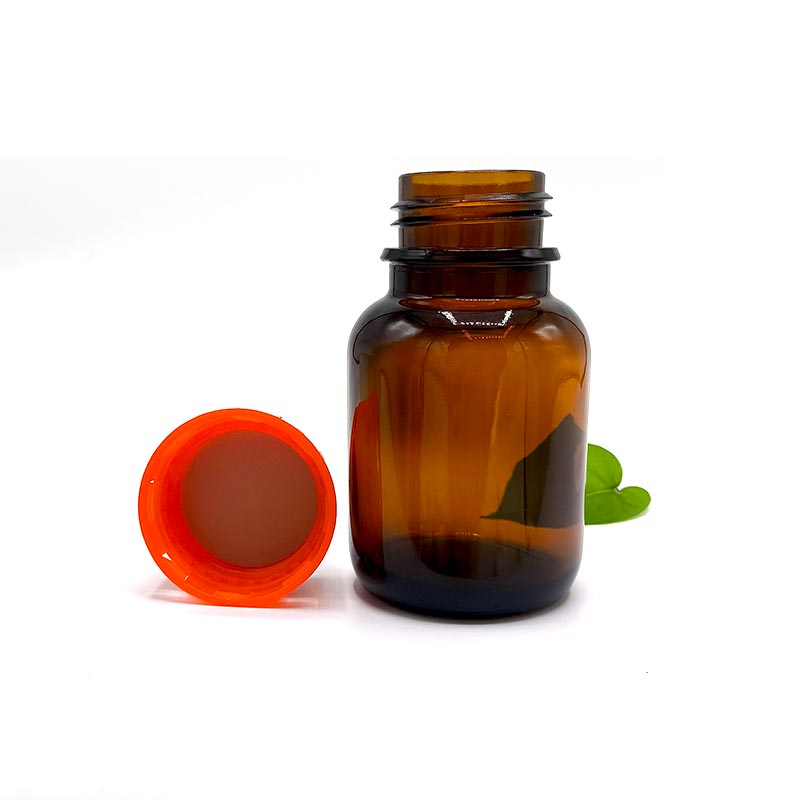
25ml Wide Mouth Reagent Bottle

Why Use Wide Mouth Bottles?

Wide mouth bottles provide:

  • Easy access for scooping solids or adding reagents.

  • Simplified cleaning to avoid residue buildup.

  • Efficient mixing of contents directly in the bottle.

Wide Mouth Reagent Bottle Specifications

Parameter Specification
Material Borosilicate Glass (Type I)
Volume Range 100 mL – 3000 mL
Neck Diameter 45 mm – 70 mm
Closure Type Screw Cap, Glass Stopper, Polypropylene Lid
Chemical Resistance High (Acids, Bases, Organic Solvents)
Temperature Range -20°C to 150°C
Transparency Clear, with optional amber coating

How Are Wide Mouth Bottles Used?

Wide mouth reagent bottles are suitable for:

  • Storing bulk powders or crystals.

  • Holding viscous liquids such as oils or glycerin.

  • Preparing mixtures directly in the bottle without additional containers.

Their design emphasizes convenience for high-volume handling and routine laboratory operations.

Frequently Asked Questions About Glass Reagent Bottles

Q1: How do I clean glass reagent bottles effectively?
A1: Use warm water with a mild detergent or laboratory-grade cleaning solution. For narrow mouth bottles, employ bottle brushes or automated washing systems. Rinse thoroughly with distilled water to remove residue. Avoid abrasive cleaning to prevent scratches.

Q2: Can glass reagent bottles store highly corrosive chemicals?
A2: Yes, high-quality borosilicate glass bottles offer excellent chemical resistance against most acids, bases, and solvents. However, extreme reagents such as hydrofluoric acid require specialized containment measures. Always ensure the closure is compatible with the chemical.

Q3: What is the difference in storage stability between narrow and wide mouth bottles?
A3: Narrow mouth bottles reduce air exposure and evaporation, providing better stability for volatile or light-sensitive reagents. Wide mouth bottles offer convenience but may require tighter sealing or additional storage precautions for sensitive chemicals.

Glass reagent bottles, whether narrow mouth or wide mouth, remain indispensable in laboratory operations. Their precise design, chemical resistance, and usability directly affect the quality of experiments and operational efficiency. Kangbo provides a comprehensive range of high-quality glass reagent bottles, manufactured to meet stringent laboratory standards. For inquiries, product specifications, or bulk orders, please Contact Us today to ensure your laboratory achieves optimal performance and safety.

Related News
Leave me a message
X
We use cookies to offer you a better browsing experience, analyze site traffic and personalize content. By using this site, you agree to our use of cookies. Privacy Policy
RejectAccept