News

Transparent or Brown? The Scientific Wisdom Behind Reagent Bottle Color Selection

2025-11-13 0 Leave me a message

In laboratories, every detail matters for an experiment's outcome. The color choice for glass reagent bottles involves serious scientific reasoning. Some practitioners have long believed "brown is superior to clear." However, both bottle colors serve irreplaceable purposes. Their value depends on correct application.

I. The Dual Nature of Light: A Tool and a Killer

Light is a powerful energy source in the lab. Ultraviolet light is especially powerful. It can serve as an analytical tool. Spectroscopic detection is one example. It can also be a "hidden killer" of reagent stability. Photon energy gets absorbed by reagent molecules. This absorption triggers photochemical degradation reactions. These reactions lead to reagent decomposition and deterioration. They also cause inactivation. Sometimes they even produce interfering byproducts.

“Storing photosensitive reagents in transparent bottles is tantamount to exposing them to continuous light exposure,” Professor Chen Wei, a chemometrics expert at the National Institute of Metrology, pointed out. “On the other hand, storing all reagents, including those that are stable and not sensitive to light, in brown bottles would be an unnecessary waste of resources and would increase the complexity of management.”

II. Brown Bottle: Designed specifically for "protection"

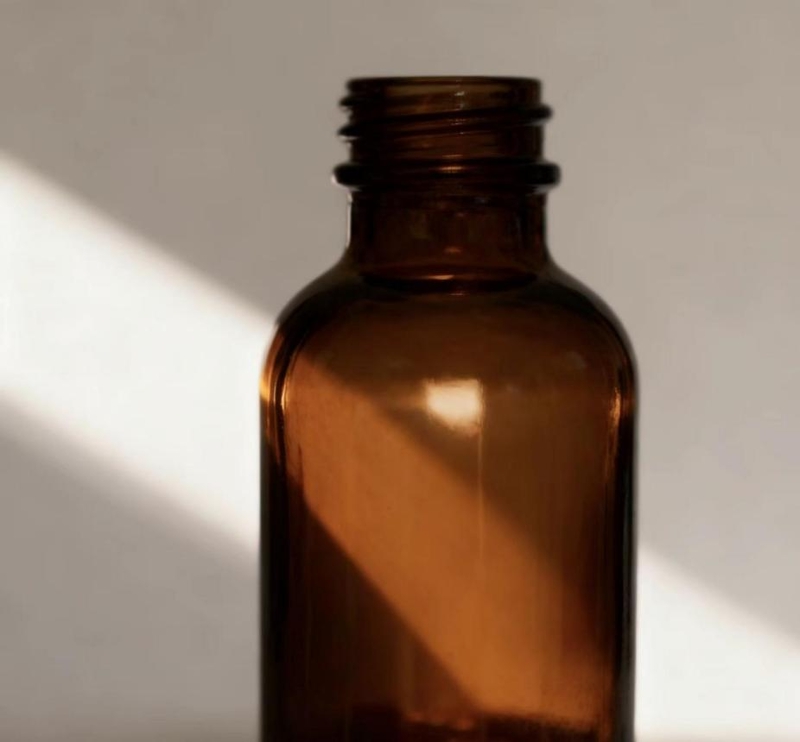
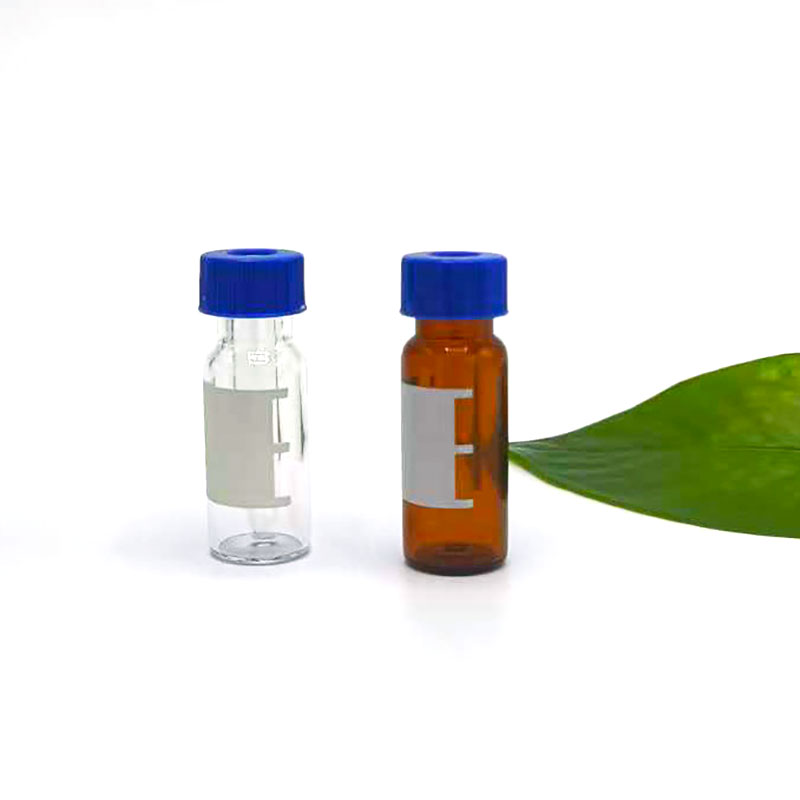
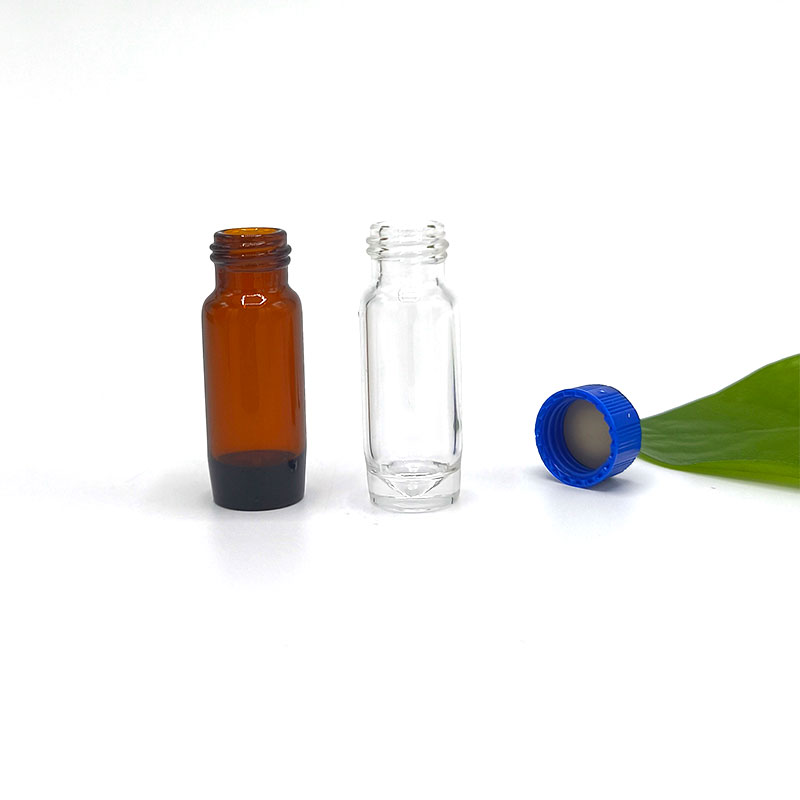
Brown glass is not simply colored; rather, it incorporates metal oxides such as iron and manganese during the manufacturing process, making it a highly efficient light filter capable of absorbing large amounts of ultraviolet light and some high-energy visible light.

Its core role is that of a "guardian ." Its application scenarios are clear and crucial:

Photosensitive substances , such as silver nitrate, potassium permanganate, and iodides, decompose rapidly upon exposure to light.

Biochemical and pharmaceutical reagents : The complex molecular structures of most vitamins (such as A, B complex, and C), antibiotics, hormones, and neurotransmitters are easily deactivated under light.

Analytical standards and fluorescent dyes : the accuracy of their concentrations directly determines the reliability of the analytical results, and any photodegradation may lead to systematic errors.


Brown glass


III. Transparent Bottles: A Model of Pursuing "Efficiency" and "Economy"

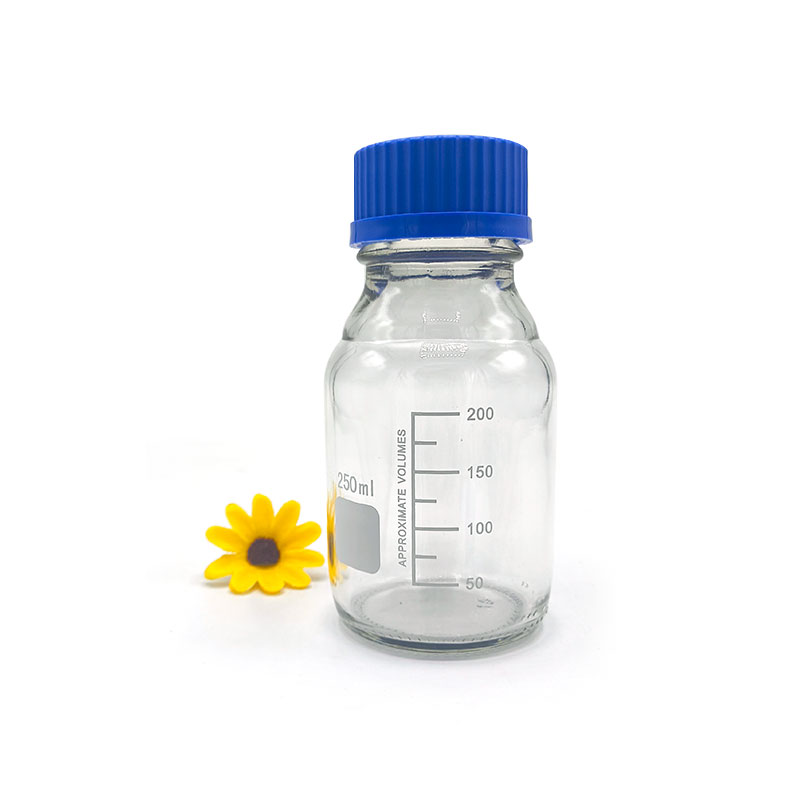
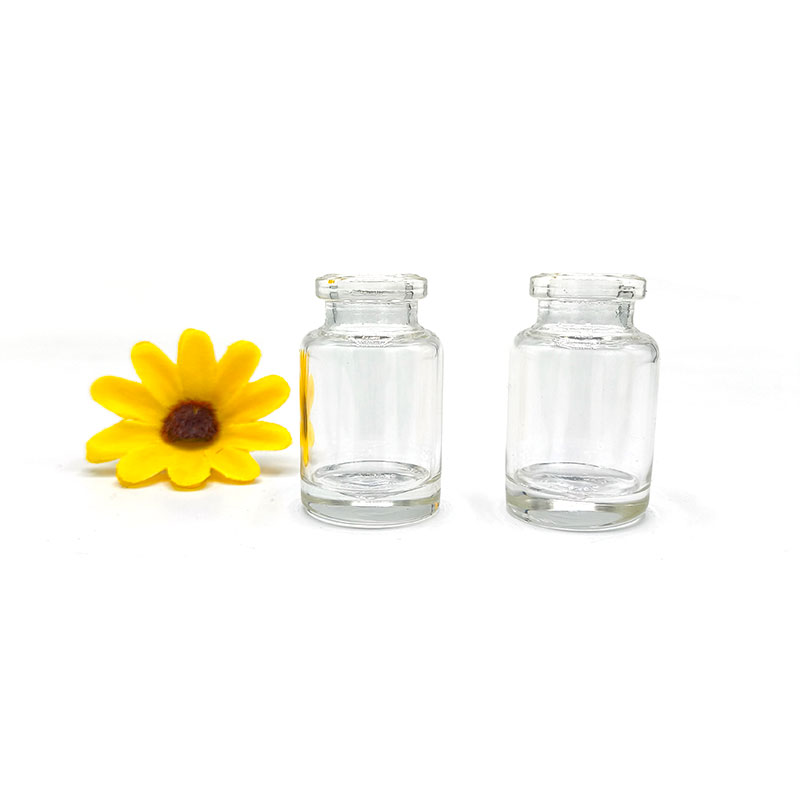
The advantage of transparent glass bottles lies in their extreme transparency and economy. They allow researchers to quickly and intuitively visually assess the state of reagents (such as color, clarity, volume, presence of precipitation or crystallization) without opening the cap.

Its core value lies in "efficiency ." For many chemically stable reagents that are not sensitive to light, transparent bottles are the best choice:

Basic solvents and solutions : such as deionized water, stable inorganic salt solutions (sodium chloride, phosphate buffer), dilute sulfuric acid, sodium hydroxide solution, etc.

Highly stable organic compounds : such as glycerol, sucrose solution, mineral oil, etc.

High-usage common reagents often use clear bottles. This practice significantly reduces costs. It also improves handling convenience. Ms. Zhang Lin shared some insights. She is the Laboratory Operations Director at a multinational pharmaceutical company. She said: "Clear bottles are the standard choice in our supply chain. Brown bottles are an upgraded option. They are for specific needs only. Science-based standardization enables this selection. It ensures reagent safety. It also optimizes cost control and operational efficiency."


IV. Scientific Decision-Making: Scenario Determines Choice, Not Habit

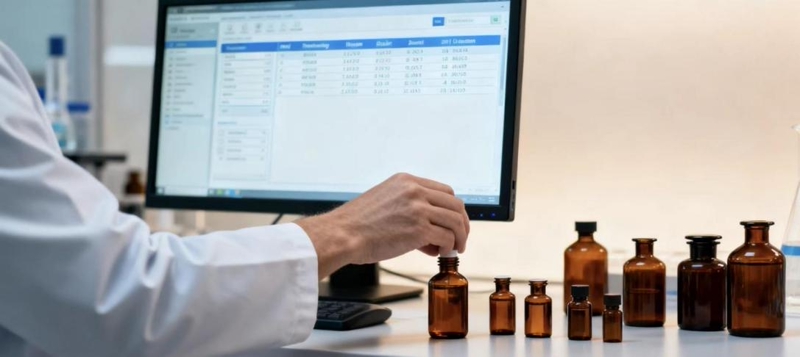
The choice between transparent and brown reagents should not be based on guesswork or habit, but rather on understanding the properties of the reagents and assessing the application scenario. The table below provides a clear decision-making guide:

Reagent bottle color selection decision matrix


Decision dimensions Brown bottles are recommended. We recommend using transparent bottles.
core considerations The reagent is light-sensitive (light-unstable). The reagent is not sensitive to light (photostable).
Working principle Absorbs harmful light waves and provides passive protection High transparency, easy to observe directly
Typical application scenarios • Analytical Chemistry: Silver nitrate, potassium iodide, some chromatographic standards • Biochemistry: Vitamins, antibiotics, RNA, enzyme preparations • Pharmaceuticals: Adrenaline, nitroglycerin, sodium nitroprusside • Others: Hydrogen peroxide, bromine water, chloroform (to prevent photolysis and the formation of phosgene) • Basic inorganic substances: dilute acids, dilute alkalis, salt solutions • Stable organic substances: glycerol, ethanol, sucrose • General solvent: water (unless otherwise specified) • Stable solid chemicals for long-term storage
Advantages Effectively delays photodegradation, ensures reagent purity and effectiveness, and maintains data accuracy. Low cost, easy to quickly identify and check status, improving work efficiency
Potential risks The cost is slightly higher; it's not convenient to directly observe the state of the contents (the lid needs to be opened). Providing zero protection for photosensitive reagents may lead to their rapid deterioration.
Golden Rule When the properties of a reagent are uncertain, it is safer to choose a brown bottle. For reagents that are clearly labeled "light-stable" or have known stable properties, transparent bottles are an economical and efficient choice.

V. Towards a Future of Refinement and Intelligence

As laboratory management becomes more lean, the selection of reagent bottles is also showing new trends:

Comprehensive light-shielding measures : For highly sensitive reagents, the use of "brown bottle + outer light-shielding aluminum foil" for double protection has become a routine operation in high-standard laboratories.

Intelligent labeling system : Complete information about the reagent can be obtained by scanning a QR code or RFID tag, including a clear warning that it must be kept away from light , which reduces the reliance on bottle color as the only clue.

Environmental protection and innovation : Reusable dark glass bottles and new plastic materials with more precise spectral filtration properties are being developed to provide targeted protection while taking into account environmental protection and cost.

"Ultimately, the coexistence and proper use of brown and clear bottles reflect a laboratory's scientific literacy and management level," Professor Chen Wei concluded. "They are like wrenches of different sizes in a toolbox, each with its own purpose. Understanding and respecting the characteristics of each material, and allowing them to play their roles in the right place, is the solid foundation for the steady progress of scientific endeavors."

In the halls of science, details determine one's level of achievement. Whether it is deep brown or clear transparency, when placed in the right context, it shines with the light of reason.


Brown glass


Related News
Leave me a message
X
We use cookies to offer you a better browsing experience, analyze site traffic and personalize content. By using this site, you agree to our use of cookies. Privacy Policy
RejectAccept