News

Do You Really Understand that "Inconspicuous" Reagent Bottle in the Laboratory?

2025-11-04 0 Leave me a message

In chemical, pharmaceutical, biotechnology and analytical fields, reagent purity and stability are vital. Even slight contamination or degradation may cause failed experiments, inaccurate results, and significant damage or risks. Glass reagent bottles serve as essential protective barriers in precision work. Borosilicate glass bottles represent the undisputed premium standard because of their outstanding performance. This selection becomes a strategic quality choice for reagent manufacturers, impacting the complete product lifecycle.


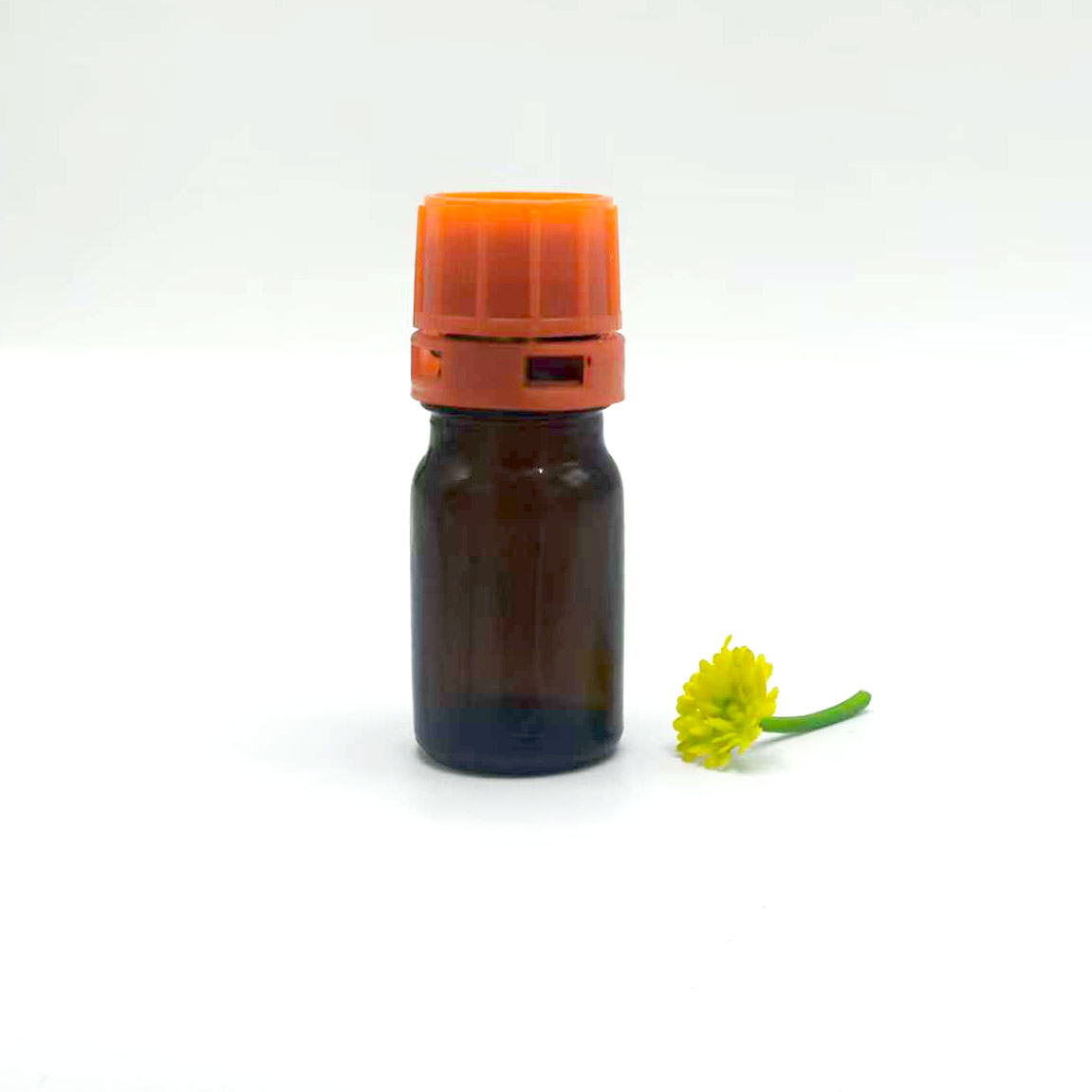
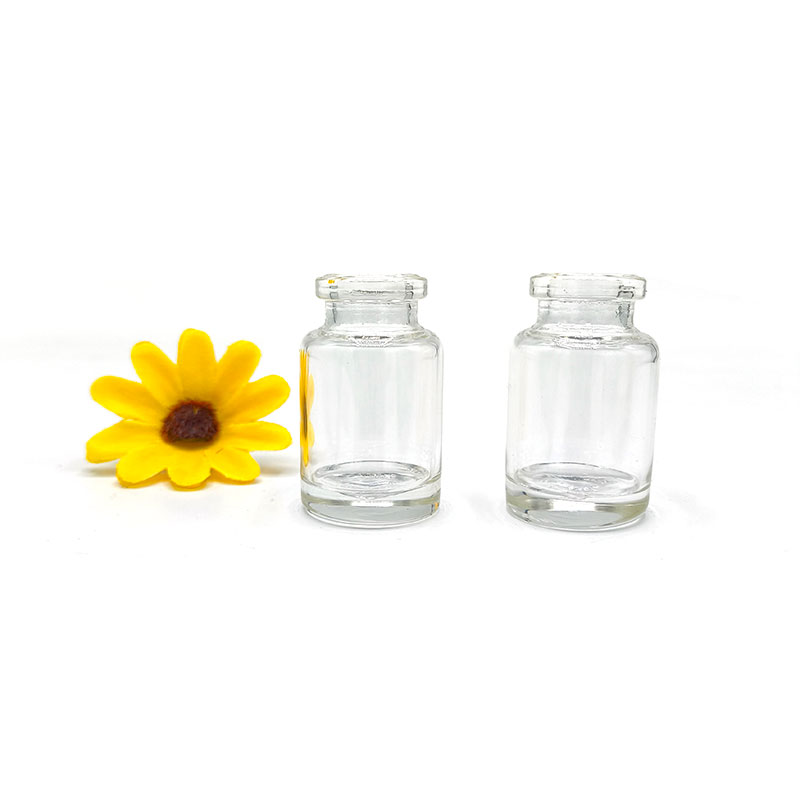
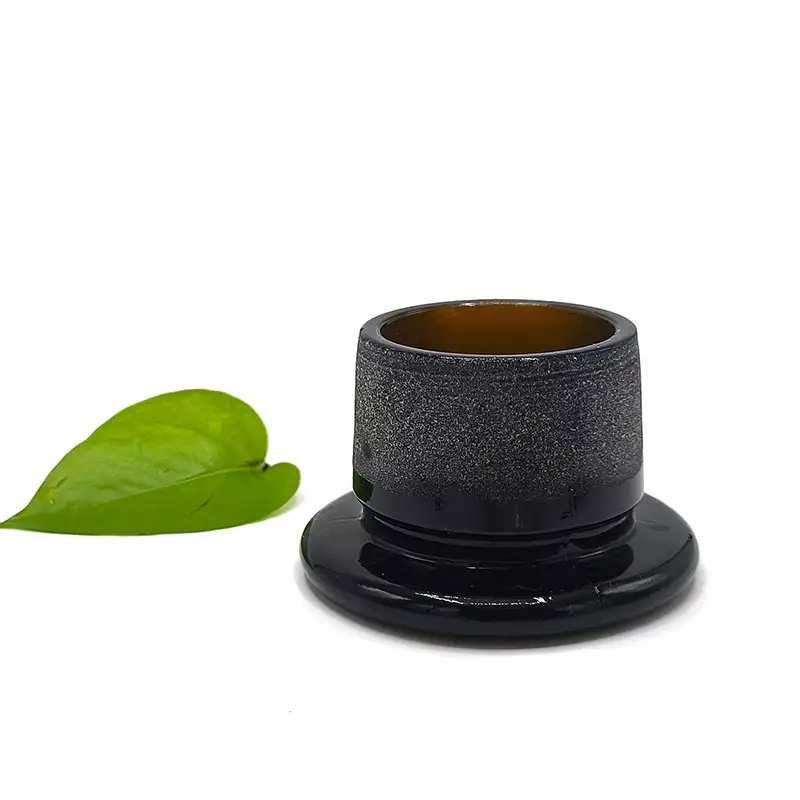
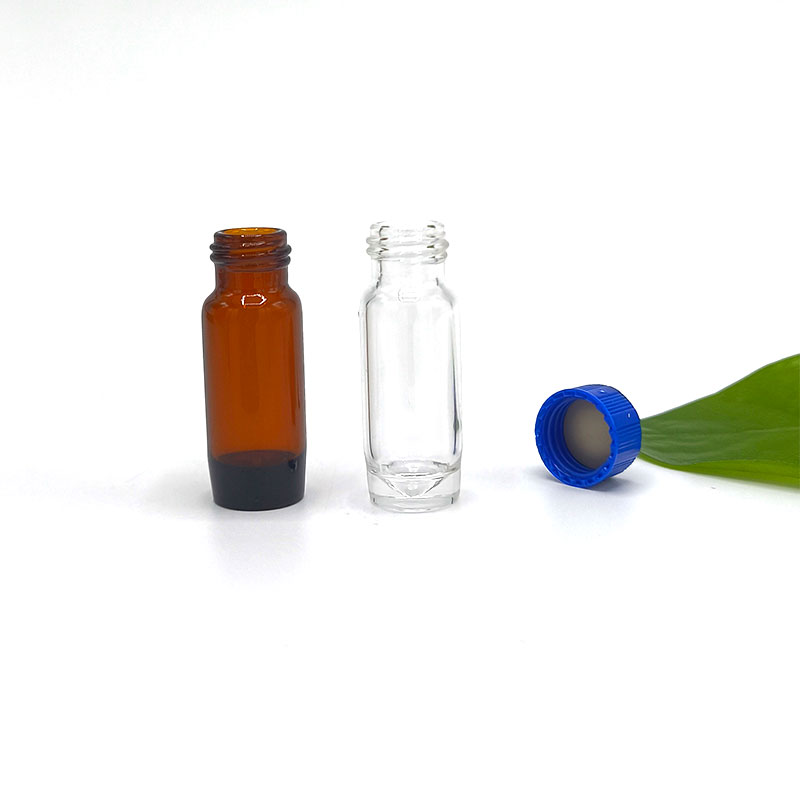
Glass Reagent Bottle

I. Core Advantages: Why Borosilicate Glass?

High borosilicate glass (3.3 grade) contains 12.5%-13.5% boron trioxide. This specific composition creates a distinctive microstructure. This structure provides the glass with superior characteristics. The table below shows the main performance comparisons with regular soda-lime glass.

Table 1: Comparison of core properties between high borosilicate glass and ordinary soda lime glass


Feature Dimension High borosilicate glass (3.3 material) Ordinary soda-lime glass The core value of reagent products
Coefficient of thermal expansion About 3.3 × 10⁻⁶/K About 8.5-9.0 × 10⁻⁶/K It has excellent thermal shock resistance and can withstand instantaneous temperature differences of >150°C, making it suitable for scenarios with drastic temperature changes such as high-pressure sterilization.
Chemical stability Excellent. Excellent resistance to water, acid, salt, and organic solvents; extremely low ion dissolution rate. Generally, it has poor tolerance to alkaline and aqueous reagents, and has a high ion dissolution rate. Ensuring reagent purity and preventing container contamination are crucial for trace analysis and chromatography-grade reagents.
Hydrolysis resistance grade Typically USP Class I/EP Class I (highest grade) Typically USP Class III or substandard The guarantee of long-term storage stability is the entry ticket for high-end chemical and biological reagents.
Mechanical strength Higher, more stable structure Relatively low Better withstand transportation collisions and internal pressure, reducing the risk of breakage.
Relative costs Higher Lower It is a necessary investment to ensure the value of high-quality reagents.

Ⅱ. Comprehensive Assessment Checklist: Beyond the Bottle

For reagent companies, choosing a borosilicate glass bottle supplier involves rigorous due diligence. Their assessment establishes a comprehensive evaluation framework that extends far beyond the material itself.

Table 2: Detailed evaluation list of borosilicate glass bottles by reagent companies


Assessment Category Specific focus Description, standards and details
Materials and compliance Glass type certification Must confirm yes 3.3 Borosilicate glass, and require suppliers to provide material certification (COA) for each batch .
Regulatory Compliance It must comply with pharmacopoeia standards such as USP Class I or EP Class I, which is the highest level of hydrolysis resistance certification.
Biocompatibility For reagent bottles for injection or cell therapy, relevant biocompatibility test reports are required.
Sealing system Bottle cap and thread It must be an international standard (such as GL45 ) to ensure the interchangeability of bottle caps and the reliability of sealing.
Gasket material Core focus: Teflon/silicone composite gaskets are the preferred choice for high-end products; the compatibility of pure Teflon, silicone, and other materials needs to be evaluated based on the properties of the reagents.
Sealing performance test It must pass strict sealing tests (such as negative pressure tests) to prevent the reagent from volatilizing, absorbing moisture, oxidizing or being contaminated.
Physical properties and design Appearance and workmanship quality The wall thickness must be uniform and free of internal bubbles, stones (solid inclusions) and scratches to ensure consistent mechanical strength.
Bottle mouth design The wide mouth makes it easy to take solids; the narrow mouth facilitates pouring and control of liquids.
Identification area The bottle body must have a rough surface or white enamel area to facilitate secure labeling and direct writing, and the information must be clearly visible
Capacity and size The capacity marking must be accurate, and the external dimensions must be compatible with common laboratory racks, refrigerator compartments, and other equipment.
Cleanliness and packaging Cleanliness level Before leaving the factory, products must undergo a rigorous cleaning process, including ultrapure water, to ensure they are free of particle, microbial, and endotoxin contamination. Cleaning standards must be clearly defined.
Packaging The inner packaging must be made of shockproof materials to avoid micro cracks or glass fragments caused by collisions during transportation.
Traceability Each packaging unit must have a clear and traceable production batch number to facilitate quality tracing and problem recall.


1.Sealing system: Precision engineering to ensure airtightness

The bottle cap system is a critical valve that prevents the ingress of external contaminants and the volatilization of internal reagents. Reagent companies carefully select gaskets based on the properties of the reagents: Teflon/silicone composite gaskets are currently the preferred choice for high-end reagents. This is because the Teflon (PTFE) surface contacts the reagent, providing unparalleled chemical inertness; the silicone layer on the back provides excellent elasticity, ensuring a perfect seal when tightened. This design perfectly balances inertness and airtightness.

2.Cleanliness and Microbial Control: The Final Check Before Dispatch

The supplier's cleaning process is vital. Bottles undergo ultrapure water cleaning and cleanroom packaging. This eliminates all contaminants: particles, grease, microbes, and endotoxins. This is a vital indicator for cell culture, molecular biology, and diagnostic reagents.


Ⅲ. Application Scenario: Matching the Most Suitable “Home” for Different Reagents

Reagent companies will match different grades of reagents with different packaging standards based on the final product positioning. The following table shows a typical matching strategy.

Table 3: Matching strategies for different levels of reagents and borosilicate glass bottle configurations


Reagent grade/type Recommended glass bottle configuration Key considerations
Top applications ( ICP- MS grade, UPLC/MS grade, cell therapy grade) USP Class I borosilicate glass bottle + Teflon/silicone gasket + highest cleanliness standards Absolute purity: Ensure zero ion dissolution and particle contamination. Sterility/DNase & RNase-free: Cleaning procedures must meet standards.
High-end applications (HPLC grade, molecular biology grade, sterile culture medium) Standard borosilicate glass bottle + Teflon/silicone or high-quality silicone gasket Chemical stability: prevent degradation. Sterilizability: must be able to withstand high pressure steam sterilization.
Photosensitizing agents (eg, silver nitrate, vitamin A, certain antibiotics) Amber borosilicate glass bottle (configuration depends on the reagent grade) Light protection: effectively blocks 290-450nm ultraviolet rays and delays photochemical degradation.
Conventional/teaching experimental reagents Soda-lime glass bottles can be considered depending on the situation, but borosilicate is still recommended for alkaline or high-purity reagents. Cost control: Optimize costs while meeting the basic requirements of chemical inertness.


IV. Conclusion

In short, from the perspective of reagent companies, a borosilicate glass reagent bottle is far more than a simple container. It is a complex system that integrates material science, precision manufacturing, quality control, and user experience. From the smelting of borosilicate raw materials to the blow molding of the bottle body, to the selection of gaskets and the final clean packaging, every step embodies the ultimate pursuit of purity, safety, and stability.

By choosing borosilicate glass, reagent companies are making a solemn commitment to their brand reputation, to scientists' research achievements, and to their end users (be they doctors or patients). This seemingly minor packaging choice actually forms a solid foundation for the reliability of modern scientific experimental data and the safety of bio-pharmaceutical products. Therefore, despite the higher cost, reagent companies view this investment as a strategic and absolutely necessary one to safeguard the core value of their products and earn market trust.


Related News
Leave me a message
X
We use cookies to offer you a better browsing experience, analyze site traffic and personalize content. By using this site, you agree to our use of cookies. Privacy Policy
RejectAccept