News

Do You Know the Functions of Reagent Bottles? More Than Just Containers!

2025-11-28 0 Leave me a message

    In scientific research laboratories, reagent bottles are the most common containers, but their function goes far beyond simply storing reagents. These seemingly ordinary bottles actually bear the important mission of ensuring the success and safety of experiments.

I. Basic Functions: Safe Storage and Effective Protection

    Reagent bottles are fundamental laboratory containers. Their roles extend beyond basic storage. These vessels ensure experimental success and safety. They provide secure chemical containment.

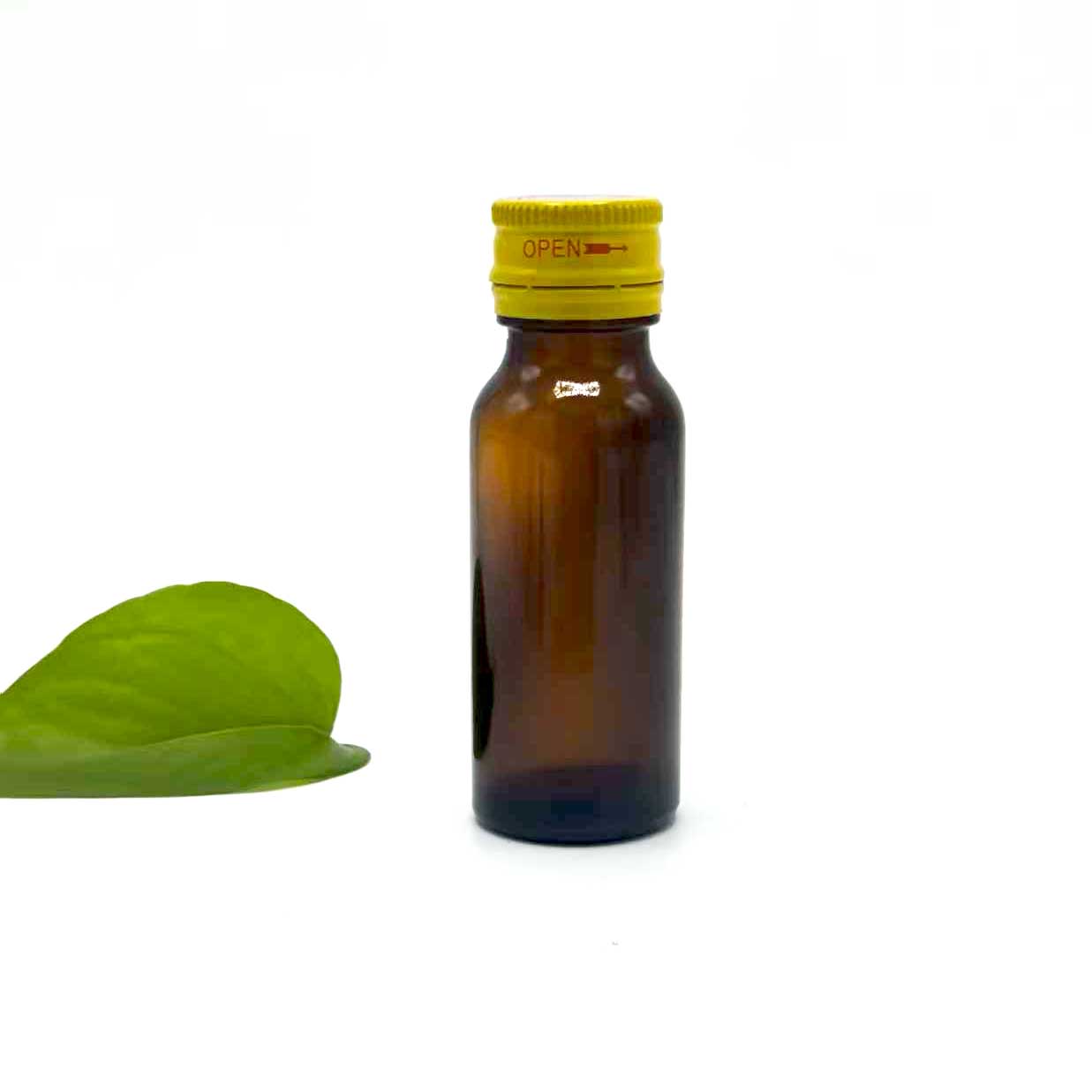
    Different materials serve distinct purposes. Glass maintains chemical stability for pure reagents. Plastic resists corrosion for various solutions. They ensure effective light protection. These bottles are preferred for photosensitive reagents.

    Modern designs address practical needs. Special coatings prevent valuable reagent loss. Multi-layer seals effectively prevent volatile reagent leakage. Explosion-proof designs reliably withstand pressure changes from temperature variations. These carefully engineered features collectively establish the essential first line of defense for laboratory safety.

Table: Comparison of the properties of reagent bottles made of different materials

Material type Main advantages Applicable reagents Precautions for use
glass reagent bottles Good chemical stability and high transparency Corrosive reagents such as strong acids and strong alkalis Fragile, avoid impact.
PE plastic bottles Good flexibility and impact resistance General chemical reagents Not resistant to high temperatures
PP plastic bottles High temperature resistant and autoclaved. biological samples, culture media Not resistant to low temperatures
brown reagent bottle Good light protection Photosensitive reagents Store away from light

II. Management Functions: Information Carrier and Traceability System

    Reagent bottle labels are vital for lab management. They display key details like name, concentration, and preparation date. Hazard warnings promote safe handling.With the development of digitalization, the application of QR code labels makes reagent management more efficient and convenient.

    Reagent bottles feature batch numbering for full lifecycle tracking from purchase to disposal. This system records opening times and usage details. It enables quick problem identification. These capabilities strongly support laboratory quality management.

III. Professional Functions: Precise Services for Segmented Scenarios

    Reagent bottles now exist in multiple specialized forms for different experimental purposes. Wide-mouth bottles allow easy handling of solid reagents. Narrow-neck bottles provide precise pouring of liquid reagents. Ground-glass stopper bottles ensure effective sealing of volatile substances. Each design perfectly addresses specific experimental requirements. Each design perfectly addresses specific experimental requirements.

Table: Applicable Scenarios for Different Types of Reagent Bottles

Bottle type classification Structural features Main uses Advantages of use
wide mouth bottle The bottle mouth has a large diameter Solid reagent storage Convenient to use
narrow-necked bottle The bottle mouth is long and narrow Liquid reagent storage Pouring precision
Ground glass bottle Frosted sealing interface Volatile reagents Good sealing
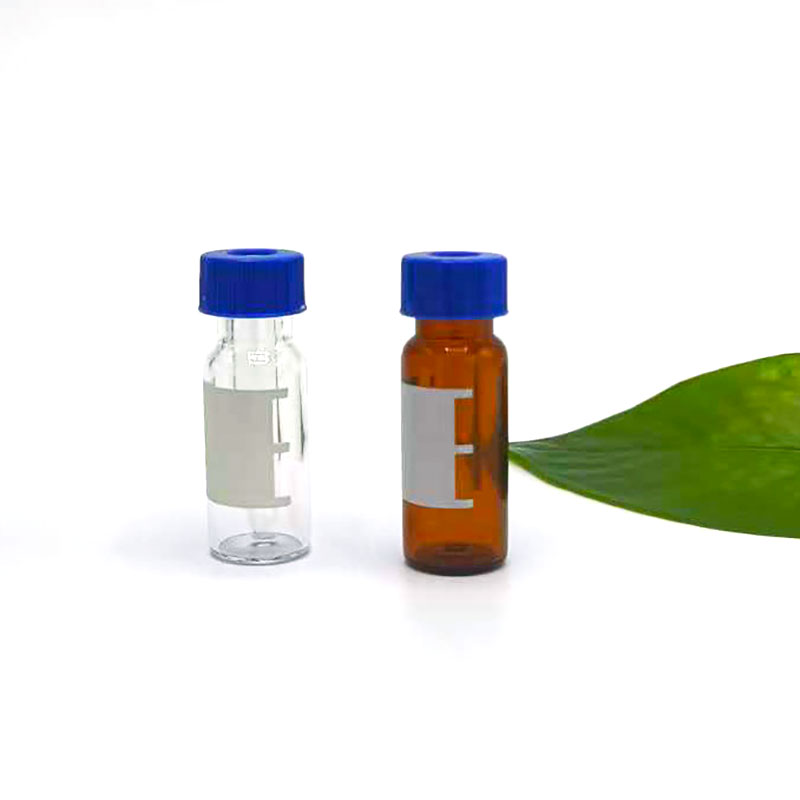
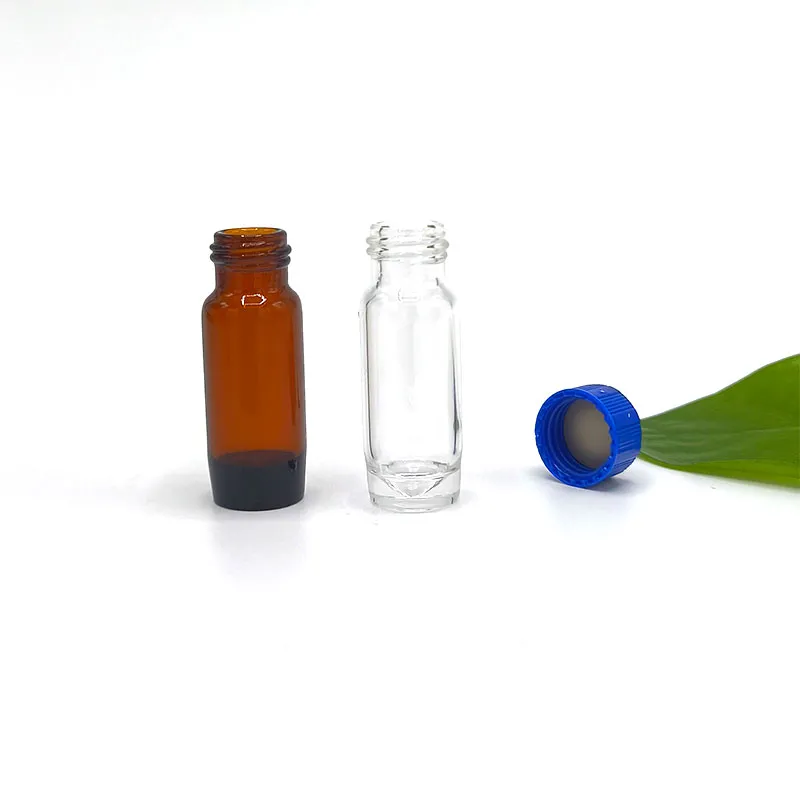
sample bottle Standardized specifications Analysis and testing Adapter Instruments


    With technological advancements, smart reagent bottles are beginning to emerge. Built-in sensors can monitor reagent status in real time, RFID tags enable rapid identification, and integration with Laboratory Information Management Systems (LIMS) is bringing reagent management into the era of intelligence.

IV. Safety Features: Comprehensive Protection and Environmental Protection Concept

    The safety design of reagent bottles is reflected in every aspect. Child-proof opening devices prevent accidents, non-slip textures ensure stable operation, and anti-tipping bases greatly reduce the risk of accidents. These designs together form a comprehensive safety protection system.

    In terms of environmental protection, the reagent bottle industry is also actively practicing the concept of sustainable development. The widespread use of recyclable materials, the promotion of energy-saving manufacturing processes, and the establishment of recycling systems all demonstrate the industry's commitment to environmental protection.

    In conclusion, the evolution of reagent bottles from simple storage containers to experimental tools integrating safety, management, and intelligence has witnessed the development of scientific research. A deeper understanding of the multiple functions of this "laboratory guardian" can not only improve experimental efficiency but also provide strong support for scientific research.


Related News
Leave me a message
X
We use cookies to offer you a better browsing experience, analyze site traffic and personalize content. By using this site, you agree to our use of cookies. Privacy Policy
RejectAccept