News

How Does an Oral Liquid Bottle Improve Safety, Accuracy, and User Experience?

2026-04-22 0 Leave me a message

Article Summary: Oral liquid bottles are widely used in pharmaceuticals, healthcare, and nutraceutical industries. Choosing the right bottle is not just about packaging—it directly impacts dosage accuracy, product stability, and user convenience. This article explores how oral liquid bottles function, what features matter most, and how to select the optimal solution for your application.

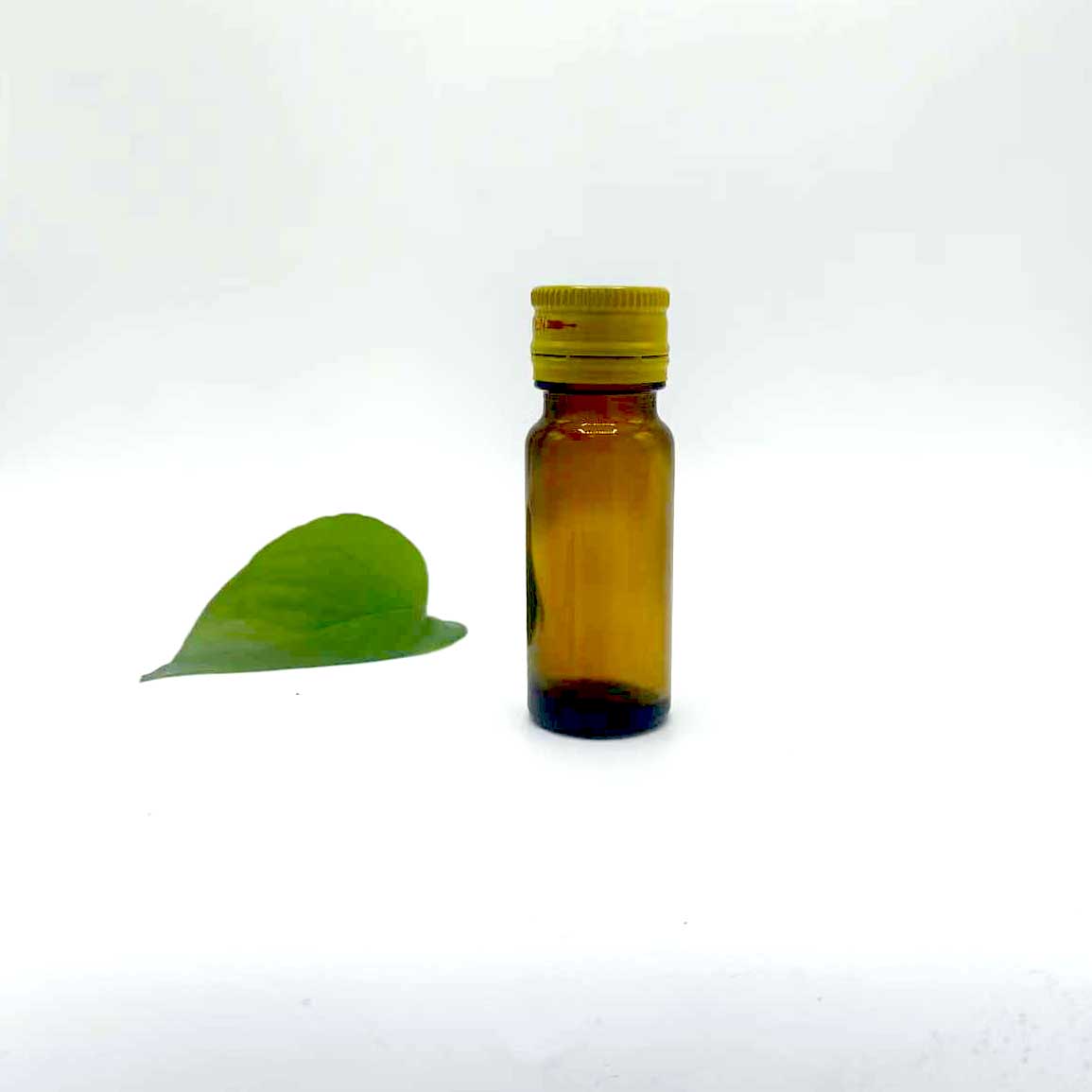
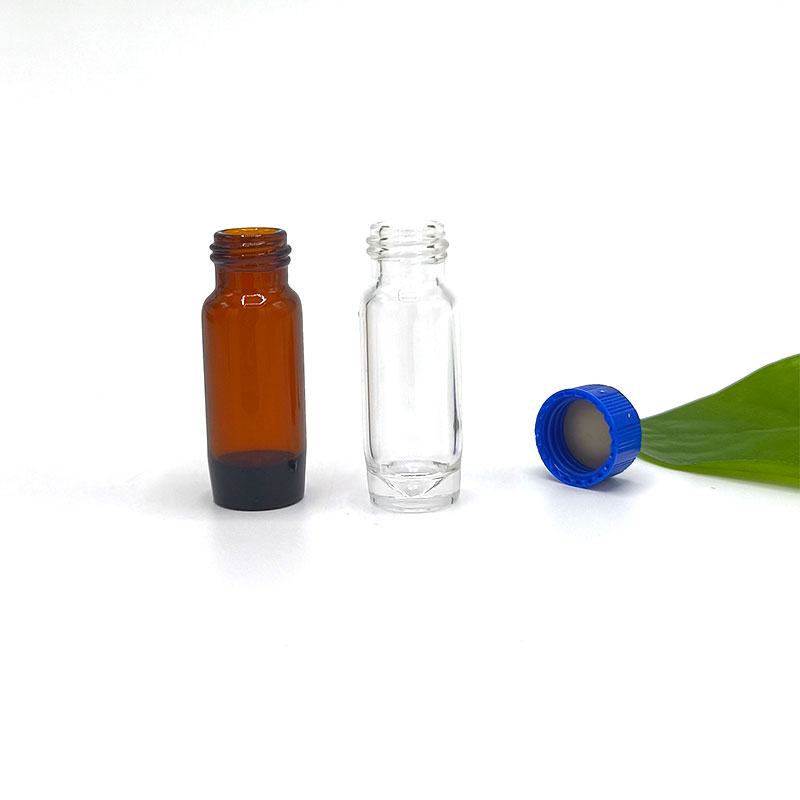
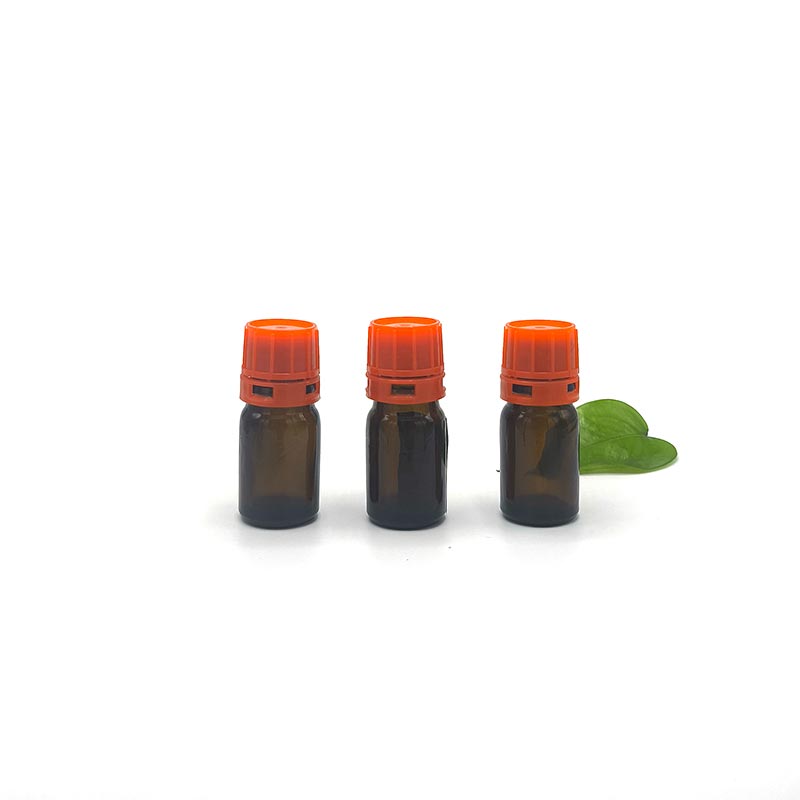
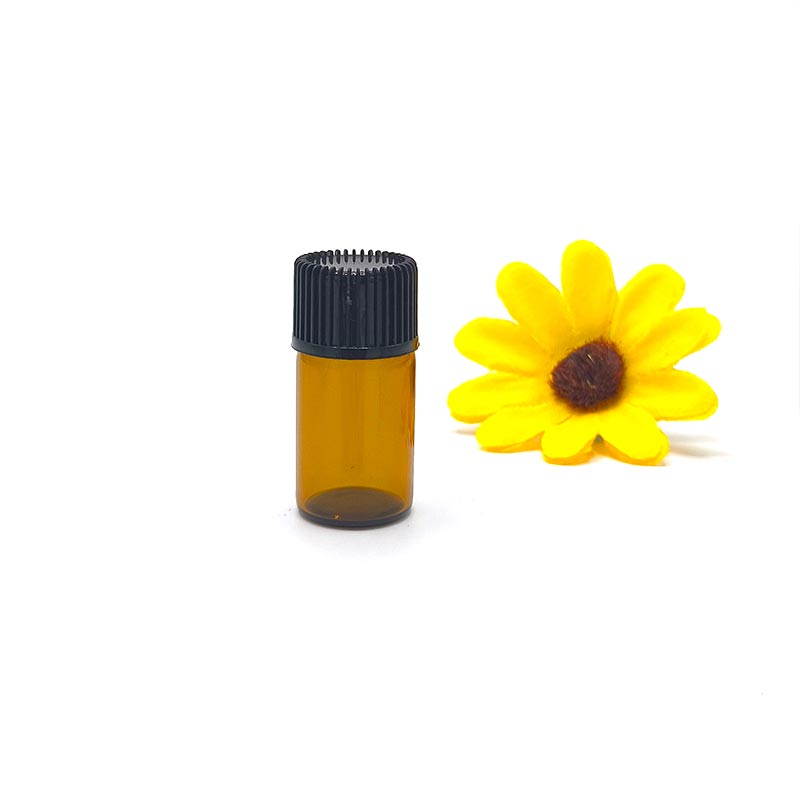
10ml Oral Liquid Bottle

Table of Contents


1. Understanding Oral Liquid Bottles

An oral liquid bottle is a specialized container designed to store and dispense liquid medications such as syrups, suspensions, and solutions. These bottles are engineered to ensure product integrity while allowing accurate dosing for patients.

Unlike standard containers, oral liquid bottles must comply with strict safety and hygiene requirements. They often incorporate features like tamper-evident seals, child-resistant caps, and compatibility with measuring devices.

Industries that rely heavily on these bottles include:

  • Pharmaceutical manufacturing
  • Nutritional supplements
  • Veterinary medicine
  • Healthcare distribution

2. Why Bottle Design Matters

The design of an oral liquid bottle goes beyond aesthetics. It directly influences several critical factors:

  • Dosage Accuracy: Proper neck design ensures compatibility with droppers or measuring cups.
  • Product Stability: UV-resistant materials prevent degradation of sensitive formulations.
  • User Safety: Leak-proof and tamper-evident designs reduce contamination risks.
  • Regulatory Compliance: Packaging must meet industry standards for medical use.

Poor bottle design can lead to dosing errors, product spoilage, and customer dissatisfaction—issues that directly impact brand trust.


3. Key Components and Materials

An oral liquid bottle typically consists of multiple integrated components, each serving a specific function:

  • Bottle Body: Holds the liquid and determines overall durability.
  • Cap or Closure: Provides sealing and safety features.
  • Measuring Device: Ensures accurate dosage (e.g., cup, spoon, syringe).
  • Seal Mechanism: Prevents leakage and contamination.

Materials commonly used include:

  • PET (Polyethylene Terephthalate): Lightweight and transparent.
  • HDPE (High-Density Polyethylene): Durable and chemical-resistant.
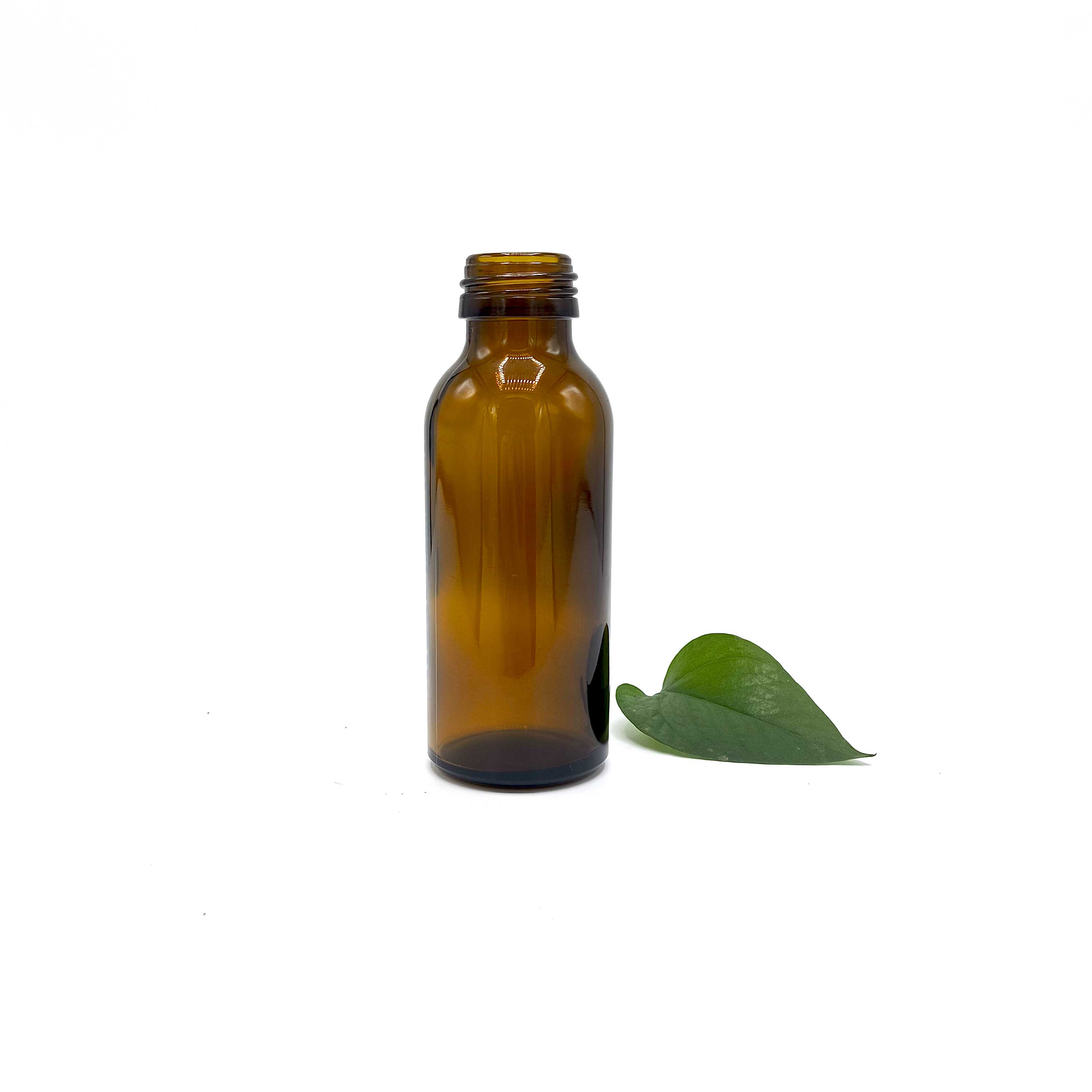
  • Glass: Premium option with excellent barrier properties.

4. Essential Features for Performance

To meet both user expectations and regulatory standards, high-quality oral liquid bottles incorporate advanced features:

  • Child-Resistant Caps: Prevent accidental ingestion.
  • Tamper-Evident Seals: Ensure product integrity before first use.
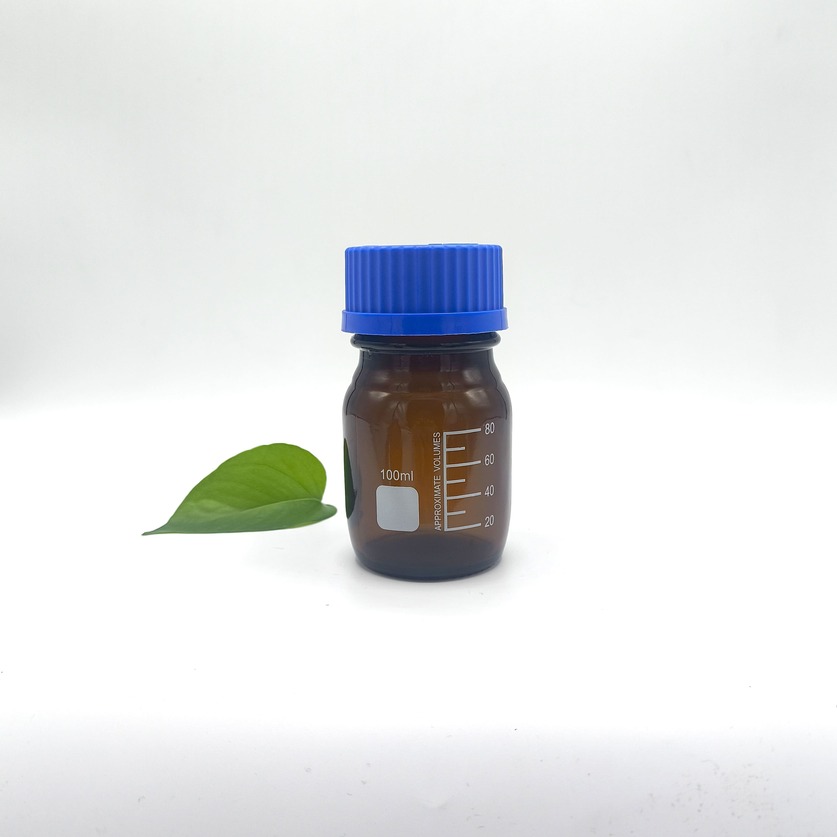
  • Graduation Markings: Enable precise measurement.
  • Leak-Proof Design: Avoid spillage during transport.
  • UV Protection: Protect light-sensitive formulations.

Cangzhou Kangbo Pharmaceutical Packaging Co., LTD focus on integrating these features to deliver reliable and high-performance packaging solutions.


5. How to Choose the Right Bottle

Selecting the right oral liquid bottle requires a structured evaluation of several factors:

1. Product Compatibility

  • Check chemical resistance of materials
  • Ensure no interaction with active ingredients

2. Volume Requirements

  • Common sizes range from 30ml to 500ml
  • Choose based on dosage frequency and shelf life

3. Closure System

  • Child-resistant vs standard caps
  • Dropper or pump compatibility

4. Regulatory Standards

  • Compliance with FDA or equivalent regulations
  • Certification for pharmaceutical use

5. Branding and Customization

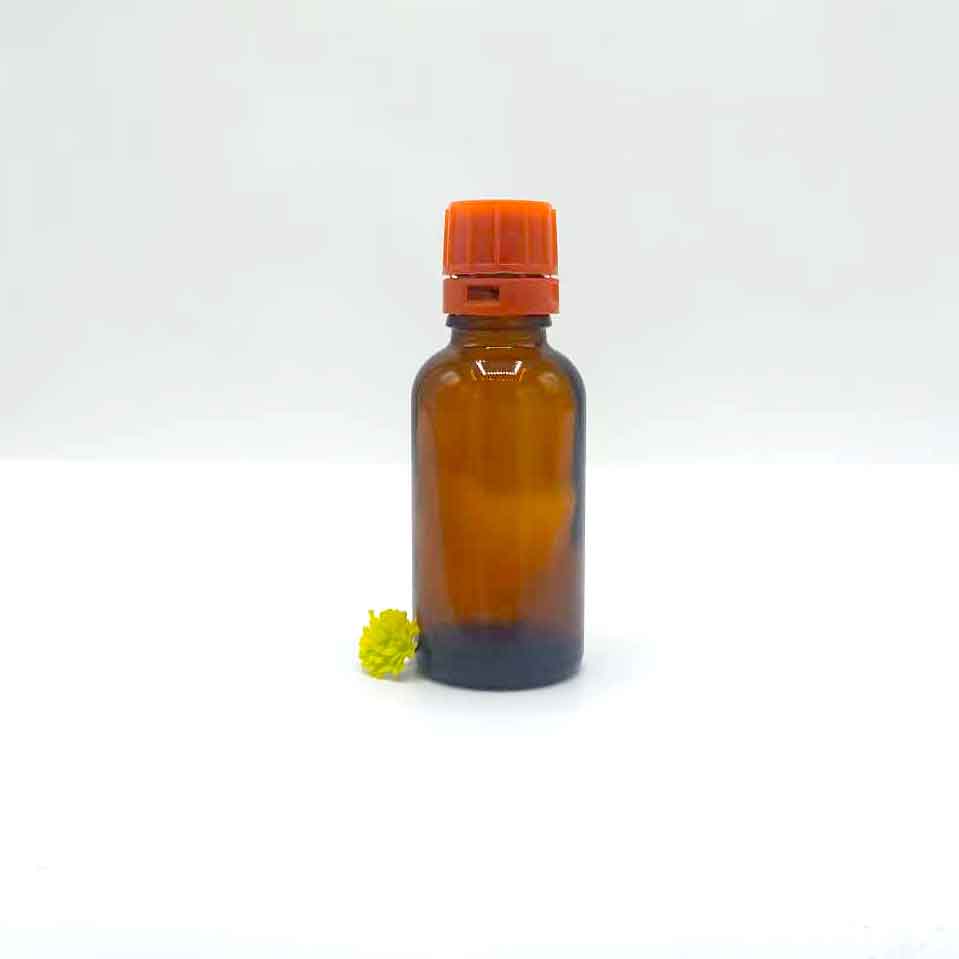
  • Color options (amber for UV protection)
  • Labeling and printing capabilities

6. Material Comparison Table

Material Advantages Limitations Best Use Case
PET Lightweight, transparent, cost-effective Lower heat resistance Over-the-counter liquids
HDPE Durable, chemical resistant Opaque appearance Prescription medications
Glass Excellent barrier, premium feel Heavy, fragile High-end or sensitive formulations

7. Benefits for Manufacturers and Users

Choosing the right oral liquid bottle delivers measurable advantages:

For Manufacturers:

  • Improved product shelf life
  • Reduced leakage and returns
  • Enhanced brand perception

For End Users:

  • Accurate and easy dosing
  • Safer handling and storage
  • Better overall experience

By partnering with reliable suppliers businesses can ensure consistent quality and performance across their product lines.


8. Frequently Asked Questions

Q1: What size oral liquid bottle should I choose?

The size depends on dosage frequency and product type. Common options include 60ml, 100ml, and 200ml bottles.

Q2: Are plastic bottles safe for medicines?

Yes, when made from pharmaceutical-grade materials like PET or HDPE, they are safe and widely used.

Q3: Why are amber bottles popular?

Amber bottles provide UV protection, which helps preserve light-sensitive medications.

Q4: Can oral liquid bottles be customized?

Yes, customization options include color, size, labeling, and closure types to meet branding needs.

Q5: How do I ensure compliance?

Work with certified manufacturers who meet international pharmaceutical packaging standards.


Conclusion

Oral liquid bottles play a crucial role in ensuring medication safety, stability, and usability. From material selection to closure design, every detail impacts the final user experience. Businesses that prioritize quality packaging not only protect their products but also strengthen customer trust.

Ready to elevate your packaging quality and improve product performance? Contact us today to get expert guidance and customized solutions for your oral liquid bottle requirements.

Related News
Leave me a message
X
We use cookies to offer you a better browsing experience, analyze site traffic and personalize content. By using this site, you agree to our use of cookies.Privacy Policy
RejectAccept