News

Why is it That in a Precision Experiment, a Seemingly Ordinary Glass Reagent Bottle Becomes the Key to Success or Failure?

2025-10-27 0 Leave me a message

In labs and factories, scientists focus on expensive tools and samples. The containers, like glass reagent bottles, seem unimportant. But this simple choice can be risky. It might affect your experiment's accuracy and success.

At Kangbo, we study these small containers. Good bottles use the right materials and designs. They also have strong sealing technology. This makes them the first protection for your scientific work.

Ⅰ. The Science of Materials: Beyond Transparency

When discussing glass reagent bottles , we must first understand the nature of their material. Not all glass is created equal. While common soda-lime glass is inexpensive and commonly used, its poor chemical stability and thermal shock resistance can become a critical weakness when exposed to acidic or alkaline environments or high-temperature and high-pressure labs. Sodium and calcium ions in the glass can leach out, contaminating high-purity reagents or reacting with samples, leading to difficult-to-trace deviations in experimental data.

Therefore, borosilicate glass is the best for high-end uses. Version 3.3 is the top type. It is made with boron oxide. It expands very little when heated. So it can survive sudden temperature changes. It will not crack. It is also very strong against chemicals. It barely releases ions. This keeps your samples pure. It works even with strong acids or solvents. This pursuit of exceptional material quality is the fundamental difference between professional glass reagent bottle manufacturers and standard suppliers.

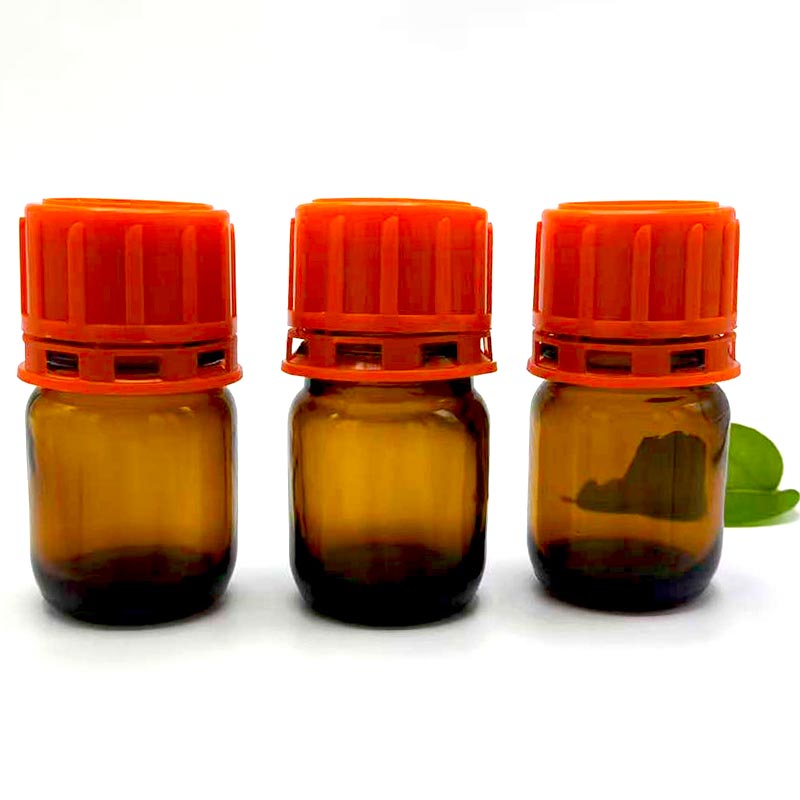
In certain scenarios, transparency itself can even become a sin. Light can damage some substances. This includes vitamins and antibiotics. It can ruin research work. Brown reagent bottles solve this. Their amber glass blocks harmful light. It creates a darkroom for samples. This bottle is a protection umbrella for your work.

II. Design Philosophy: When Form Serves Function – System Engineering from Bottle Mouth to Seal

If materials are the soul, then design is the skeleton that gives form to that soul. Every detail in the design of the reagent bottle reflects a deep understanding of practical applications. The choice of the bottle mouth is the primary embodiment of functionality.

Kangbo has a deep understanding of the segmented needs of different application scenarios, and therefore provides a complete range of wide-mouth glass reagent bottles and various narrow-mouth bottles for customers to choose from.

When the sample you need to process is a viscous paste, solid powder, or a substance that needs to be taken with a spoon, the design of the wide-mouth glass reagent bottle shows its irreplaceable advantages.

wide-mouth glass reagent bottle


Its spacious bottle mouth design makes sample loading and unloading easy and efficient, greatly improving operational convenience and effectively avoiding cross contamination and sampling loss.

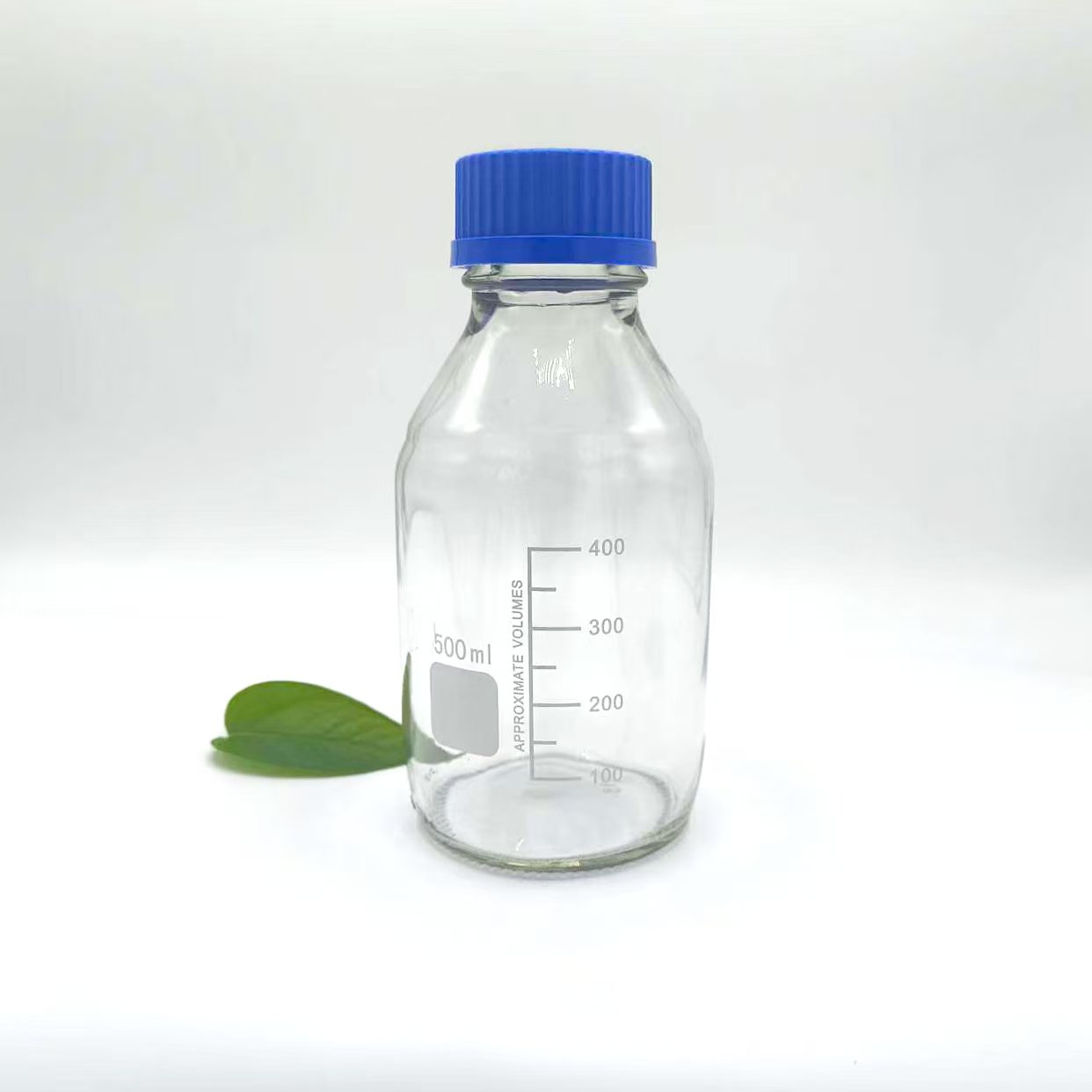
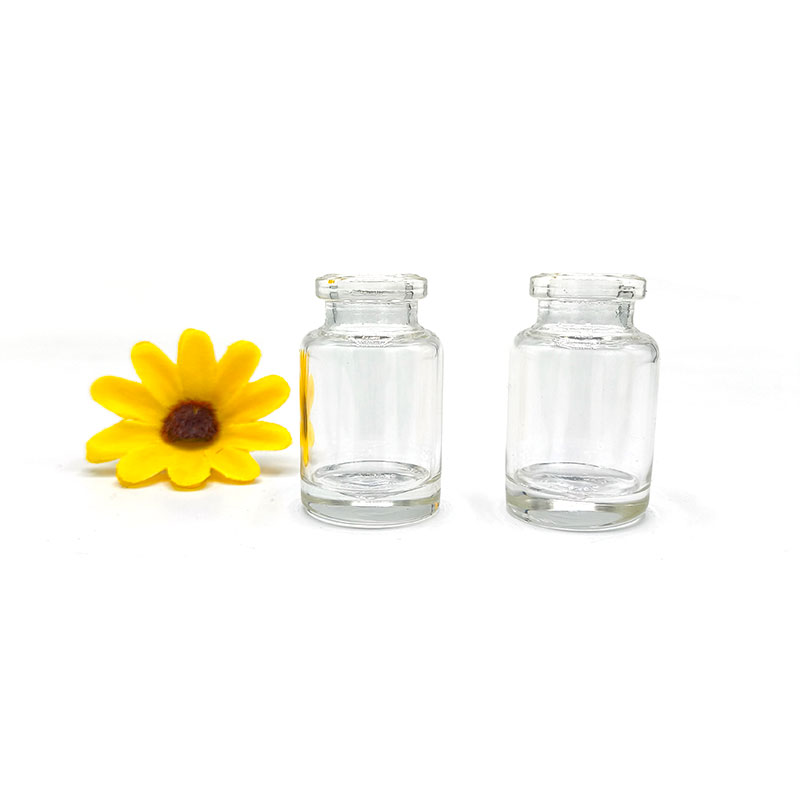
For most liquid reagents, especially volatile solutions that need to be poured accurately, narrow-mouth glass reagent bottles are a better choice.


Narrow Mouth Reagent Bottle


Its design aims to reduce the exposed area of the bottle mouth, reduce the evaporation rate, and ensure that the liquid can be poured out accurately and controllably, eliminating dripping and leakage, thereby ensuring the purity of the reagent and the accuracy of measurement.

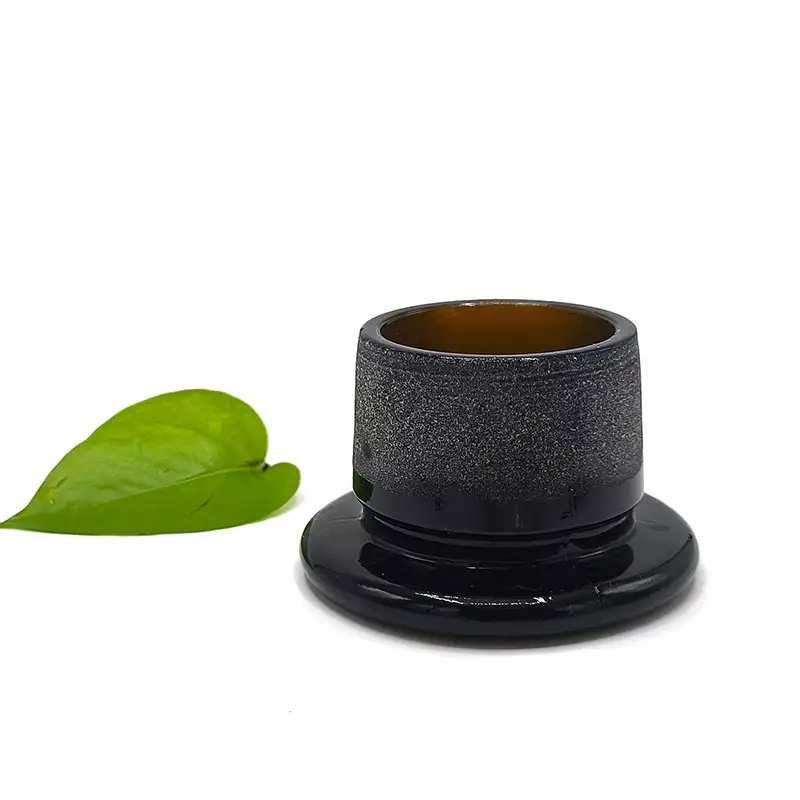
However, bottle neck design is only the first step; the true sealing revolution occurs at the junction of the cap and bottle neck. The gasket inside the cap is the "last gate" protecting the world within the bottle. Kangbo understands this critical importance and therefore utilizes tetrafluoroethylene (PTFE) gaskets throughout its high-end product lines .

Reagent Bottle Gasket


This material, known as the "King of Plastics," possesses unparalleled chemical inertness, withstanding corrosion by virtually all strong acids, bases, strong oxidants, and organic solvents. This fundamentally eliminates sample contamination caused by gasket dissolution, swelling, or precipitates. Furthermore, PTFE gaskets combine excellent elasticity with extremely low gas permeability, enabling long-term, stable, leak-free sealing. Whether used for routine storage or specialized applications like headspace analysis, they offer impeccable reliability.

Ⅲ. Product Matrix and Sealing Solutions: Providing You with One-Stop Solutions

To help you more intuitively understand how we perfectly combine bottle design and sealing technology, please refer to the following matrix of our core product portfolio:

Table: Kangbo Core Glass Reagent Bottle Product Matrix


Product Type Main specifications Material Recommended sealing solution Typical application scenarios
Wide-mouth glass reagent bottles 25ml/75ml/125ml/350ml/1200ml 3.3 Borosilicate glass Orange threaded cap + PTFE composite gasket Storage of solid powders, viscous preparations, tissue samples, and reference materials
Narrow-mouth reagent bottle 1ml(4 styles)/2ml/3ml/4ml/5ml/10ml/15ml/20ml/30ml/50ml/100ml/500ml(2 styles) 3.3 Borosilicate glass Threaded cap + PTFE composite gasket Liquid reagents, volatile solvents, acid and alkali solutions, conventional storage

The PTFE gaskets in all the above configurations can be provided as standard configuration or optional items according to customer requirements.


IV. Craftsmanship: The Long March of Quality from Furnace to Cleanroom

To transform a qualified piece of glass raw material into a reliable glass reagent bottle , it must go through a rigorous process. This is far more than a simple melting and shaping, but a collection of precise controls.

First, during the melting stage, precise control of temperature, time, and atmosphere is essential to ensure uniform glass composition, the absence of bubbles, and the absence of stones (unmelted particles). Any tiny flaw can become a potential stress concentration point in the bottle, causing it to break when subjected to temperature or external forces. Whether it's a wide-mouthed or narrow-mouthed glass reagent bottle, they all undergo this rigorous melting process.

The post-molding annealing process is crucial. After high-temperature molding, uneven thermal stresses remain within the glass. Without a thorough, slow, and uniform annealing process to eliminate these stresses, the glass reagent bottle becomes like a ticking time bomb, significantly reducing its mechanical strength and thermal stability, and posing a significant risk of spontaneous explosion or damage during use.

Finally, for many demanding applications, such as cell culture, chromatography, or standard storage, cleanliness before shipment determines the ultimate value of the product. Professional manufacturers package cleaned bottles in a strictly controlled clean environment, along with meticulously cleaned PTFE gaskets . This process ensures that when the bottles reach the user, they are truly "ready-to-use" and reliable. The bottle and seal are free of dust, particles, and endotoxins, eliminating the tedious task of self-cleaning and the potential for secondary contamination.


Ⅴ. Conclusion: Your scientific partner, not just a container

Returning to our original question: Why does a seemingly ordinary glass reagent bottle become the key to success or failure? The answer is clear. It's not just a passive container for substances, but an active protection system that integrates material science, industrial design, precision manufacturing, and high-performance sealing technology. From amber reagent bottles that protect light-sensitive samples, to wide-mouth and narrow-mouth glass reagent bottles optimized for solids and liquids respectively , to high-performance sealing solutions represented by Teflon gaskets , the value of every glass reagent bottle provided by [Your Company Name] lies in its silent commitment and solid support for scientific exploration.

When selecting a supplier, be sure to look beyond price and delve deeper into the integrity of their product system, material standards, design philosophy, and the performance of key components (such as gaskets). A trustworthy partner will treat every bottle and every component they produce with the same rigor you would for your own experiments.

About Kangbo :

Kangbo is a national high-tech enterprise specializing in the research, development, and manufacturing of high-end laboratory glass reagent bottles and supporting sealing solutions. We have a fully automated borosilicate glass production line and a comprehensive testing laboratory. Our product portfolio includes wide-mouth glass reagent bottles , narrow-mouth bottles, and amber reagent bottles of various specifications and depths . More importantly, we generally use highly chemically inert PTFE gaskets in our high-end bottle caps , providing the ultimate guarantee for demanding chemical storage. Our products strictly adhere to international standards such as ISO and USP, and are certified by ISO 9001 and ISO 15378 quality management systems. They are widely used in cutting-edge fields such as biopharmaceuticals, precision medicine, environmental monitoring, and food safety. We are well aware that every bottle carries the weight of science, and we promise to protect your every exploration with ingenuity.


Related News
Leave me a message
X
We use cookies to offer you a better browsing experience, analyze site traffic and personalize content. By using this site, you agree to our use of cookies. Privacy Policy
RejectAccept