Products
1000ml Amber Glass Reagent Bottle
  • 1000ml Amber Glass Reagent Bottle1000ml Amber Glass Reagent Bottle
  • 1000ml Amber Glass Reagent Bottle1000ml Amber Glass Reagent Bottle
  • 1000ml Amber Glass Reagent Bottle1000ml Amber Glass Reagent Bottle
  • 1000ml Amber Glass Reagent Bottle1000ml Amber Glass Reagent Bottle

1000ml Amber Glass Reagent Bottle

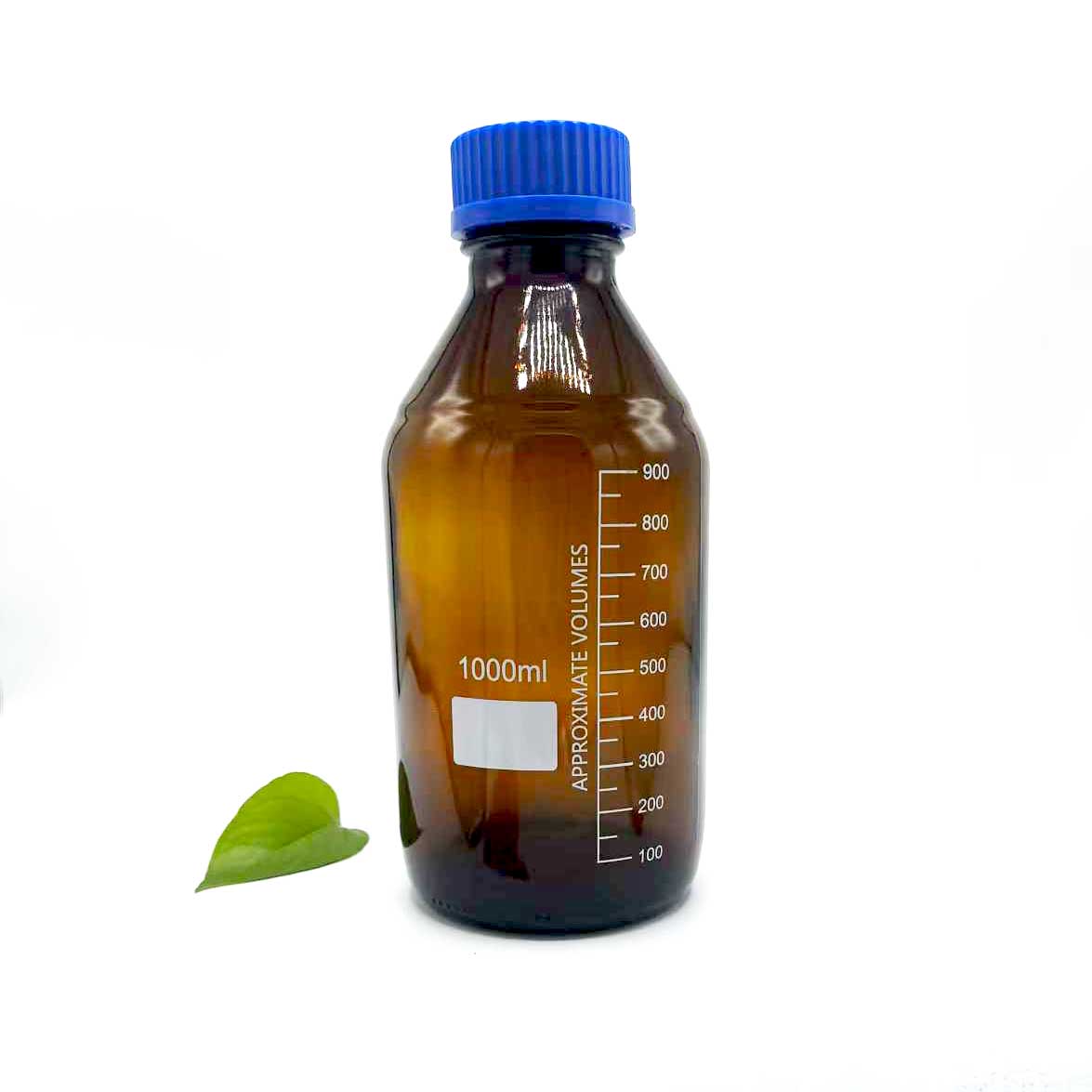
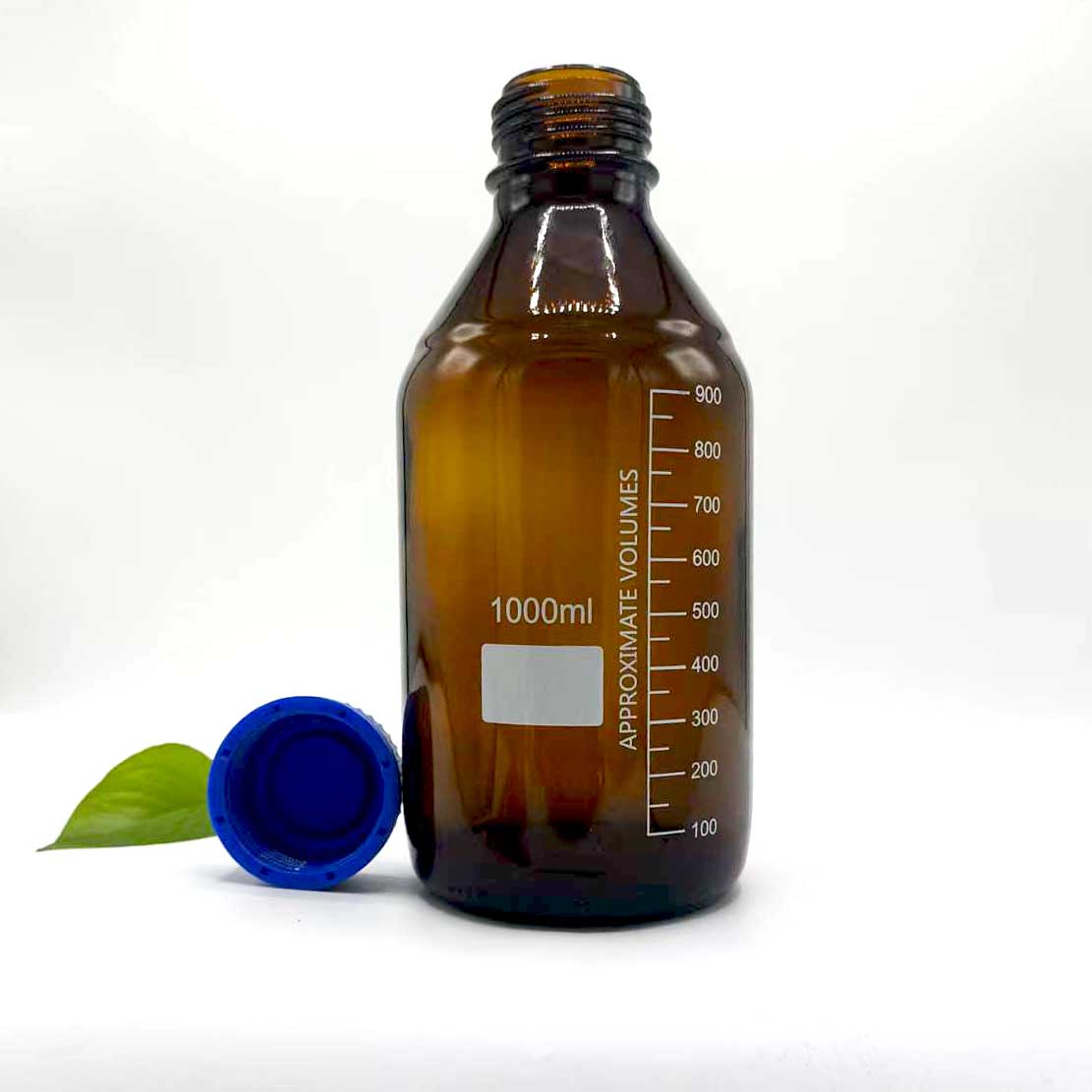
This 1000ml amber glass reagent bottle is made in China. It has a competitive price and supports customization. The amber glass provides excellent light protection. Its UV transmittance is below 1%. The bottle features a standard GL45 threaded neck. This enables drip-free pouring. It also has a thickened flat bottom and a low tipping coefficient. This design ensures superior stability. It is the ideal choice for storing light-sensitive chemical reagents.

I. Bottle Structure Design


Overall Structure: The 1000ml amber galss reagent bottle has a classic cylindrical design. Its base diameter is 95mm. Its height is 185mm. This optimized size ratio ensures the bottle's stability when fully loaded. The tipping coefficient is strictly controlled below 1.95. This effectively reduces the risk of tipping during operation.


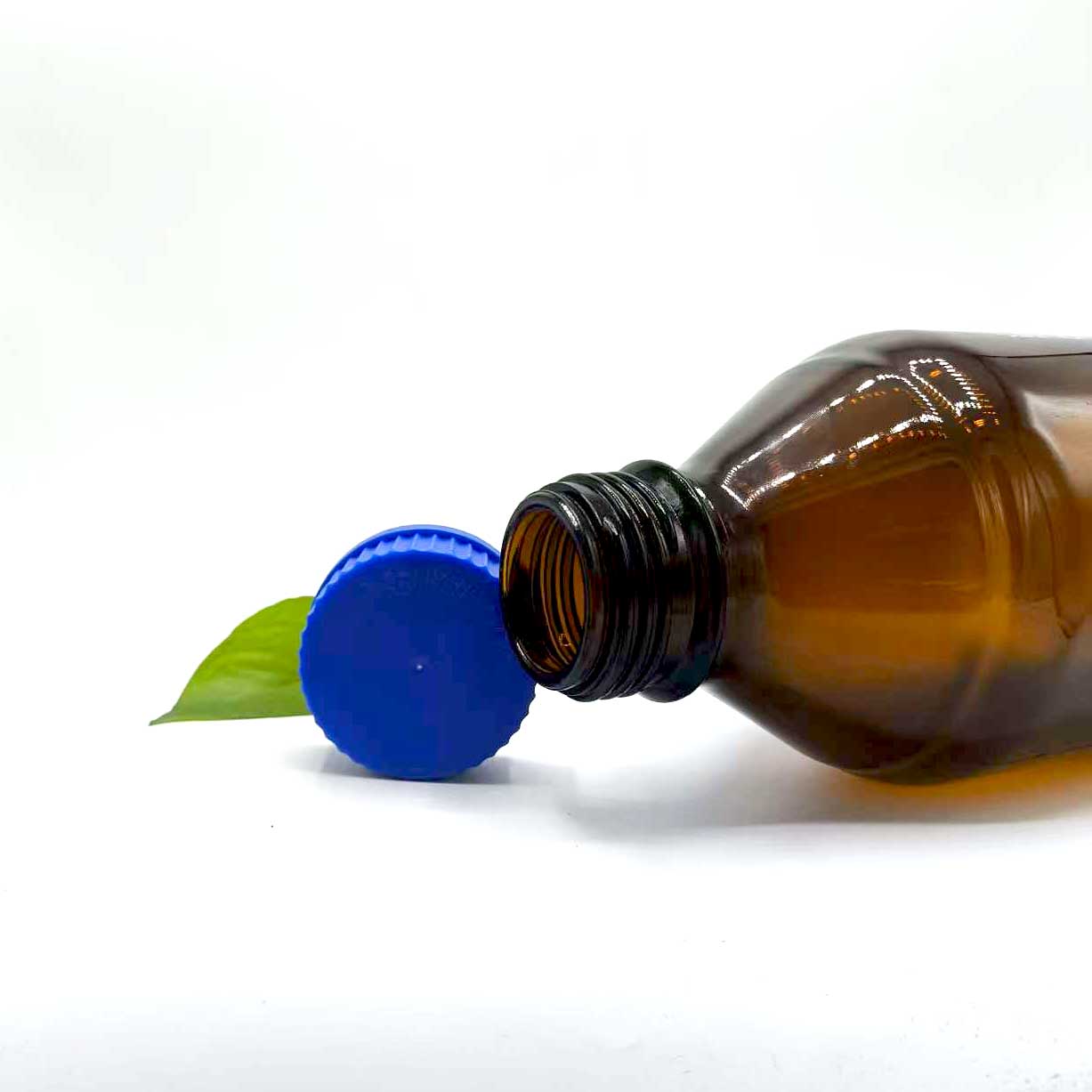
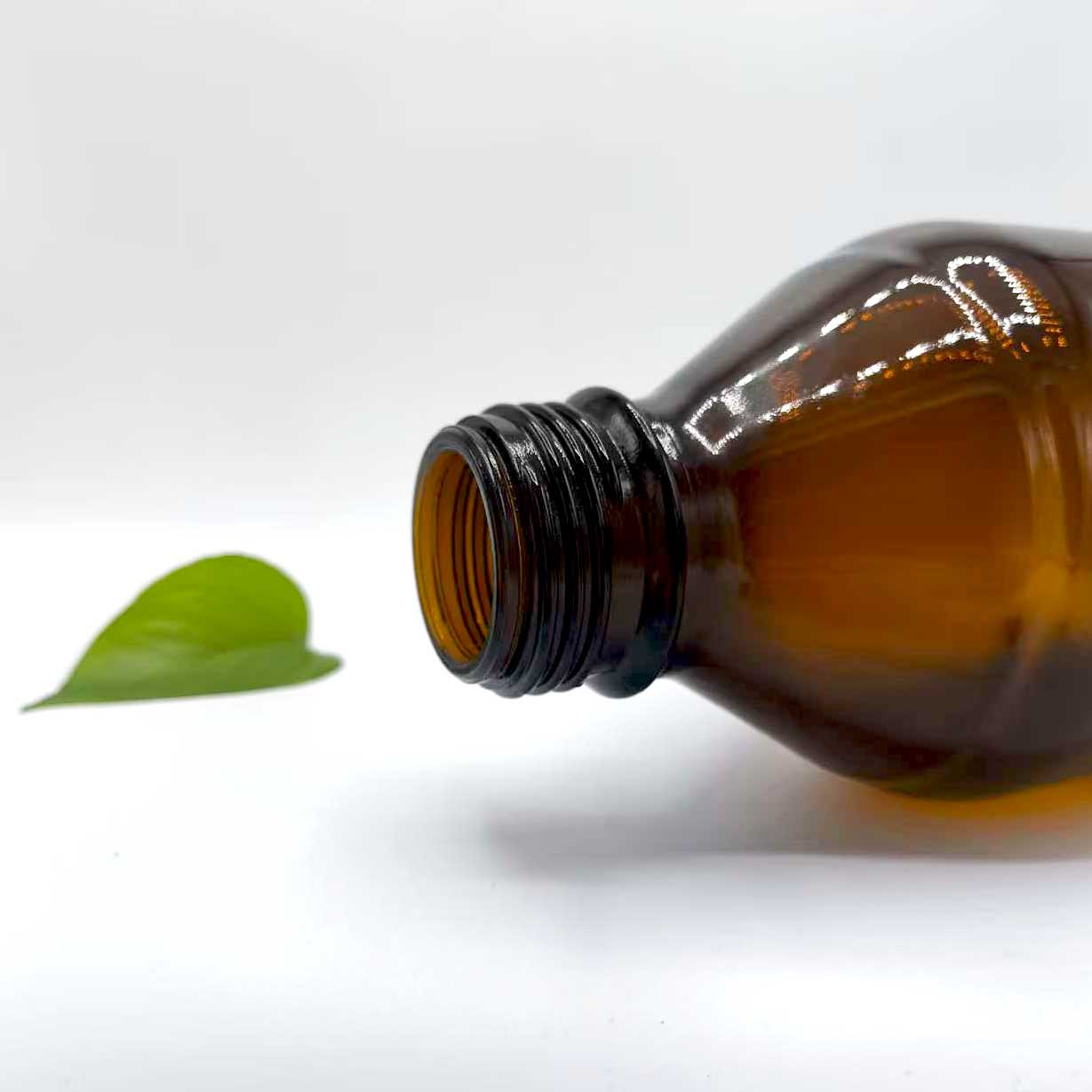
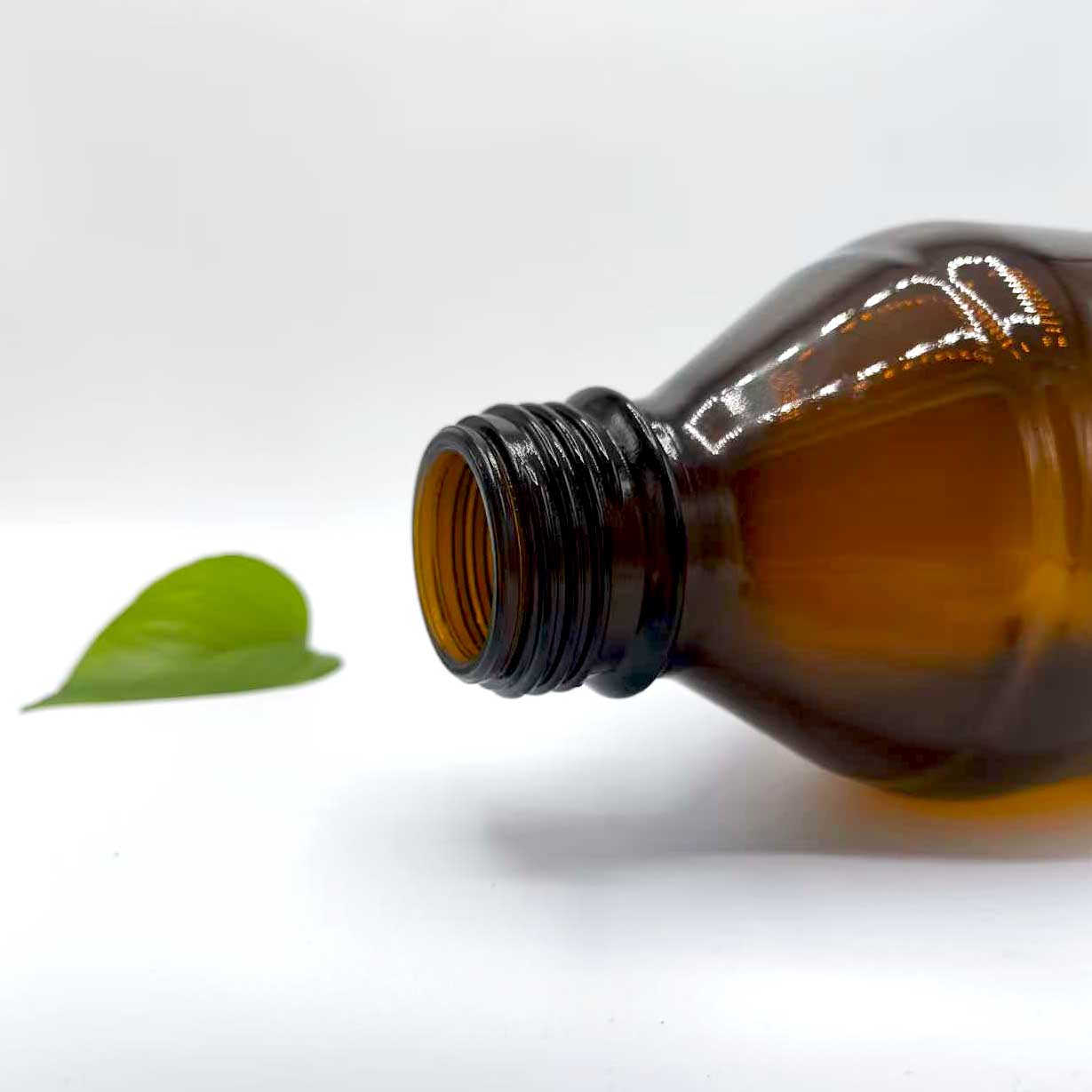
Bottle Neck Design: The 1000ml amber glass reagent bottle neck uses the international standard GL45 threaded interface. Its outer diameter is 45mm. Its inner diameter is 38mm. The unique flared design makes pouring liquids smoother. It also makes pouring drip-free. The bottle neck undergoes a fine flame polishing process. This ensures it is free of burrs and cracks. It also enhances its mechanical strength.


Bottle Shoulder Design: The 1000ml amber glass reagent bottle shoulder has a 35-degree slope. This design ensures sufficient structural strength. It also facilitates the insertion of cleaning tools. The connection between the bottle shoulder and the bottle body has a gradual rounded transition. This effectively disperses stress. It prevents breakage from temperature changes or mechanical impact.


Bottle Bottom Design: The amber glass reagent bottom is a specially designed thickened flat bottom. Its thickness is 2.5±0.3mm. This is about 40% thicker than the bottle body. The bottom edges are rounded. They feature anti-slip textures. This ensures stability on smooth surfaces. The center area of the bottom is treated with a special flattening process to guarantee stability when placed on a surface.


II. Glass Processing Characteristics


Glass composition : High borosilicate glass 3.3 conforming to ISO 3585 standard is used, with the following specific composition: silicon dioxide (SiO₂) ≥81% , boron trioxide (B₂O₃) 12.5-13.5% , aluminum oxide (Al₂O₃) 2.0-2.5% , and alkali metal oxides ≤0.5% .

This precise composition ensures the material's excellent thermal and chemical stability.


Molding Process : The amber glass reagent bottle body adopts an advanced molding process, involving multiple precision steps: the glass material is melted at a high temperature of 1280℃ ; an automatic material cutting and feeding system is used ; the initial mold is formed at a temperature controlled at 1050℃ ; and the final mold is shaped at a temperature controlled at 680℃.

Gradual annealing process eliminates internal stress .


III. Characteristics of Brown Glass


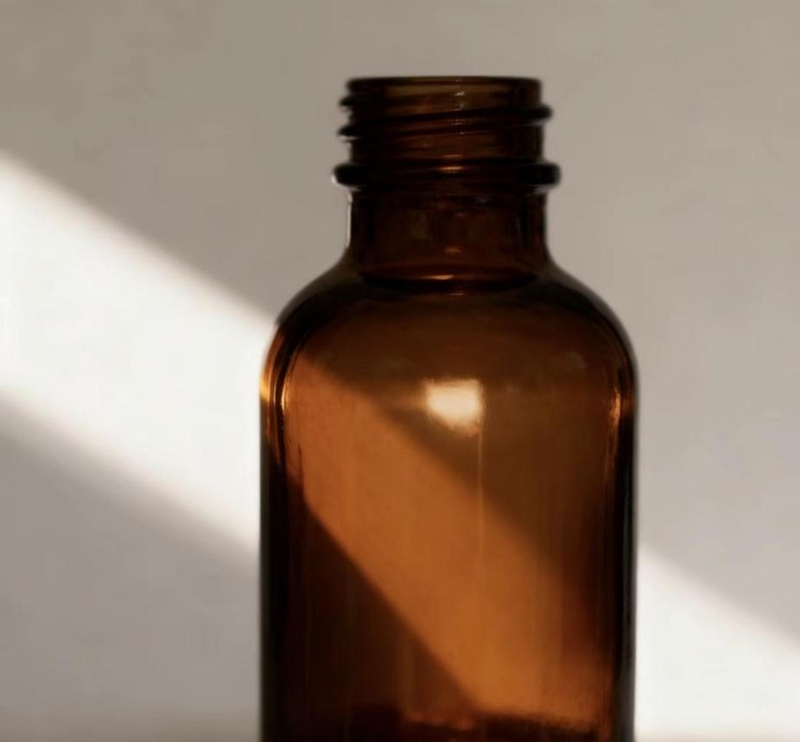
Coloring process:The brown color comes from adding specific metal oxides during the glass melting process. These oxides are iron oxide (Fe₂O₃) at 0.3-0.5%, manganese oxide (MnO₂) at 0.5-0.8%, and cobalt oxide (Co₃O₄) at 0.01-0.03%. This specific ratio creates a uniform brown color. It also does not affect the glass's chemical properties.


Light-blocking performance:The bottle's transmittance of different light wavelengths is specified. For 300nm ultraviolet light, transmittance is below 1%. For 450nm blue light, it is below 8%. For 550nm green light, it is below 15%. For 650nm red light, transmittance is below 25%.


IV. Scale System


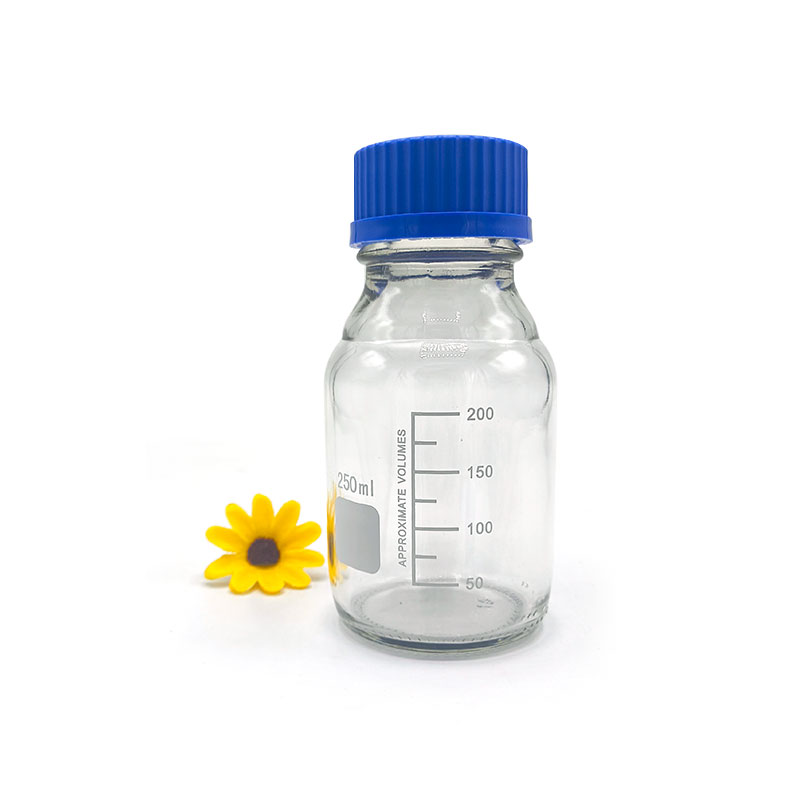
Scale design : The scale lines are made of corrosion-resistant white glass enamel and produced using a screen printing process.

Main graduations: one coarse graduation line every 100ml ; Secondary graduations: one medium graduation line every 50ml ; Auxiliary graduations: one fine graduation line every 20ml ; Numerical markings: volume numbers are marked every 200ml .


Scale accuracy : Precisely calibrated, the scale accuracy reaches: 1000ml nominal point: ±2ml , 500ml nominal point: ±1.5ml


; 100ml nominal point: ±1ml .


V. Surface Treatment


Outer surface : It undergoes uniform sandblasting treatment, with a surface roughness Ra controlled between 0.8-1.2μm. This treatment provides both a good grip and creates an ideal writing surface for easy marking with markers.


Inner surface : Utilizing a chemical polishing process, the surface smoothness reaches 0.1μm, effectively reducing reagent residue and facilitating cleaning. The smoothness of the inner wall ensures that it will not trap dirt or grime, nor will it adsorb sensitive reagents.


VI. Mechanical Properties


Compressive strength : The static pressure that the bottle body can withstand is axial pressure: ≥25kN , radial pressure: ≥15MPa , and internal pressure: ≥0.8MPa .


Impact resistance : Passed the drop ball impact test. Bottom impact: Passed the drop test of a 500g steel ball from a height of 0.5m . Side impact: Passed the drop test of a 200g steel ball from a height of 0.3m .


VII. Thermal Properties


Coefficient of thermal expansion : In the temperature range of 20-300℃, the linear coefficient of thermal expansion is (3.3±0.1)×10⁻⁶/K. This characteristic ensures that the bottle will not crack when there are rapid temperature changes.


Thermal stability test : Passed rigorous thermal shock test from high temperature to low temperature: directly immersed from 100℃ to 0℃ ice water, no cracking ;


Low temperature → high temperature: No cracking occurs when hot water at 100℃ is injected directly from -20℃ .


VIII. Quality Control


Each bottle must pass the following quality inspections: dimensional accuracy inspection (using a coordinate measuring machine) , wall thickness uniformity inspection (ultrasonic thickness gauge) , appearance defect inspection (automatic optical inspection system) , thermal shock resistance test (sampling inspection) , and scale accuracy verification (gravimetric method inspection) .


IX. Usage Adaptability


Temperature adaptability : Long-term operating temperature: -80℃ to 200℃ , short-term operating temperature: -196℃ (liquid nitrogen) to 500℃ , sterilization conditions: can be repeatedly sterilized by high-pressure steam at 121℃ for 30 minutes .

Send Inquiry
Contact Info
  • Address

    30 meters north of the Second Hospital of Jiaohe Town, Botou City, Cangzhou City, Hebei Province, China

For inquiries about glass reagent Bottle, laboratory reagent bottle, reagent bottle gasket or price list, please leave your email to us and we will be in touch within 24 hours.
X
We use cookies to offer you a better browsing experience, analyze site traffic and personalize content. By using this site, you agree to our use of cookies. Privacy Policy
RejectAccept